Winter Drainage Failures: Ice, Blocked Outlets, and Bulges
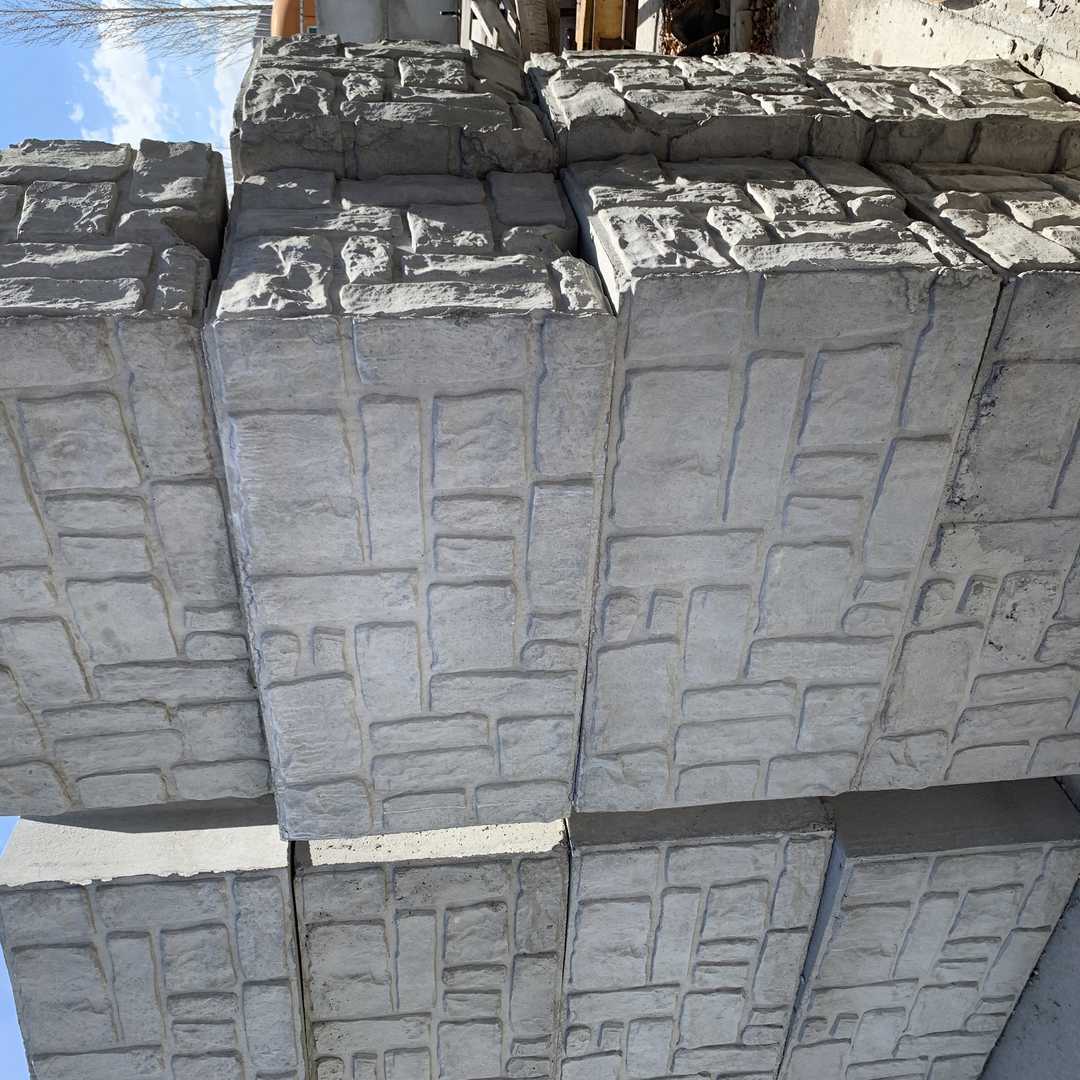
East Tennessee winters are not the deep freeze of the north, but our pattern of rain, cold snaps, and thaws is its own kind of hard on a retaining wall. The ground behind a wall goes into December wet, temperatures drop below freezing for stretches, and water that cannot escape turns to ice in the soil and in the drainage system itself. Then a warm spell thaws everything at once, and the wall is suddenly holding fully saturated ground again. Walls with good drainage shrug this cycle off. Walls without it tend to announce their problems in winter, through blocked outlets, frost damage, and bulges that were not there in the fall.
Ice is the first troublemaker. Water expands as it freezes, and soil that is holding water expands along with it, pushing against the back of a wall a little harder with each freeze. One cold night does nothing measurable. A winter of freeze and thaw cycles, working on ground that never dries because its drainage is blocked, can move a wall face outward in small increments that add up by spring. Shallow water sitting in ruts behind the top course is a common contributor, since it freezes right where the wall is least able to resist, up high where there is less weight holding the courses in place.
Blocked outlets are the second troublemaker, and they are usually a housekeeping problem rather than a construction problem. By December, a wall's outlets have had a full autumn of leaves, mulch, grass clippings, and silt washing toward them. An outlet buried under a drift of wet leaves or a mulch bed that crept downhill is an outlet that no longer exists, and the water behind the wall has nowhere to go all winter.
A bulge deserves a calm, honest reading. If one section of a wall face stands out from its neighbors, especially after a thaw, the ground behind that section has been pushing harder than the rest. Measure it rather than guessing: a straight board or a taut string line along the face shows exactly which blocks have moved and by how much. Take a photo with the date noted, then check again after the next wet stretch. A bulge that is stable across seasons may be an old story the wall finished telling years ago. A bulge that grows between checks is a wall asking for attention while the fix is still comparatively simple.
Prevention is mostly unglamorous and entirely effective. Before winter settles in, clear every outlet and make sure each one can actually run, walk the top of the wall and fill any ruts where water can sit and freeze, and fix the grading anywhere runoff pours over the face. Check that downspouts still discharge well away from the wall after autumn gutter work and leaf blowing, since those chores quietly rearrange drainage more often than anyone admits. During a thaw, a quick look at whether outlets are flowing tells you more about your wall's winter health than any other single check you can make.
What not to do matters too. Do not seal weep openings or outlets shut because they drip or grow algae in winter, since that trapped water is far more damaging frozen behind the blocks than it ever was leaving. Do not pile snow cleared from a driveway against the top of a wall where it will melt into the backfill for weeks. And do not ignore a new lean that appears mid-winter just because spring is the usual season for yard projects, because saturated ground does not wait for a convenient date to push a marginal wall past the point of an easy repair.
A few minutes of winter attention keeps most walls out of trouble entirely: clear outlets in late fall, flat grading on top, water routed away, and a string-line check if anything looks off after a thaw. If you find a bulge that is moving, an outlet that never runs, or a section of face that stays iced and wet while the rest dries, get it looked at. Try the wall calculator on the site if a replacement wall enters the picture, or call (423) 358-2317 for a free estimate and a straight assessment of whether your wall needs drainage work, monitoring, or rebuilding.
Want to know what your wall takes? Run the wall calculator for a block count, then send your details for a free estimate — no pressure, no obligation.