What Actually Drives the Cost of a Retaining Wall in East Tennessee
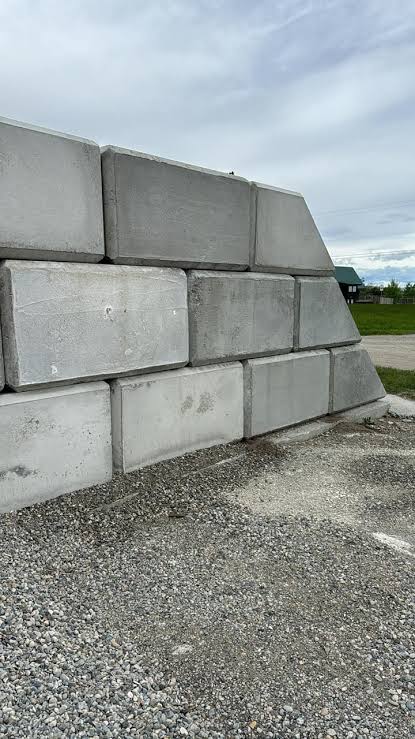
If you are trying to budget for a retaining wall around Knoxville or anywhere in East Tennessee, the honest answer is that there is no flat rate that means anything. Two walls that look similar from the road can take very different amounts of work underneath and behind them. What drives the total is not just the blocks you see. It is the ground you are working in, how much earth the wall has to hold, and how hard it is to get equipment and materials to the spot.
Height is the first big factor. A short wall that levels out a garden bed is a different job from a taller wall that holds up a driveway edge or creates a flat pad on a hillside. Taller walls hold back more soil and more water pressure, so they need a deeper buried base course, more careful backfill, and a drainage system that can actually move water away. As height goes up, the amount of excavation, gravel, and labor goes up with it, even if the wall is not very long.
Length matters in a straightforward way, but not always in the way people expect. A long, straight wall on fairly level ground can move along steadily once the base is set. A shorter wall with tight corners, steps, or a curve can take more time because every block has to be checked for level and alignment. With eco blocks, which are large concrete blocks roughly two feet tall, two feet deep, and four feet long, layout matters a lot. Getting that first course right sets the pace for everything above it.
Access is the factor homeowners most often underestimate in East Tennessee. Many yards in this area have narrow side yards, steep driveways, fences, trees, or septic lines that limit where a machine can go. If blocks, gravel, and excavated soil have to move a long distance, or if work has to be done in a tight space between a house and a property line, the job takes longer. Easy access off a driveway or an open lot is simpler. A backyard wall down a steep, muddy slope is not, and that difference shows up in the plan.
Soil and drainage are tied together here, and they are a big deal in our red clay. Clay holds water, swells when it is wet, and shrinks when it dries out. A wall built without room for drained gravel behind it and a way for water to escape will be pushed on all winter and spring. Good work includes digging out enough space behind the wall for clean stone, placing drain pipe where it can carry water to daylight, and compacting backfill in layers instead of just pushing the same wet clay back in. That hidden work protects the wall for years.
Site preparation and what happens above and below the wall also affect the job. Clearing brush, removing an old failing wall, hauling off extra soil, and regrading so surface water runs away from the wall all take time and equipment. Finishes matter too. Eco blocks come in plain and brown finishes, and you can add a top cap for a cleaner finished look along the top course. Those choices change the final appearance, and caps also add an extra step of cutting, fitting, and setting along the top.
The best way to get a useful number for your own yard is to start with real measurements instead of guessing from photos online. Measure the length you think you need and the height difference from the low side to where you want the flat area to be, and note any access problems, drainage trouble, or old walls that need to come out. Then try the wall calculator on easttnretainingwalls.com to get a starting estimate for your project, or call (423) 358-2317 for a free estimate. And if your project leaves bare soil above or below the new wall that needs grass cover fast before the next rain washes it away, that is a separate step worth planning at the same time through Knoxville hydroseeding so the finished yard holds together from day one.
Want to know what your wall takes? Run the wall calculator for a block count, then send your details for a free estimate — no pressure, no obligation.