Wall Warranties and Workmanship: Questions to Ask Any Contractor
Sooner or later in any wall project, the conversation turns to warranties, and it is a conversation worth having slowly and in plain language. Warranty terms vary a great deal between contractors, in length, in what they cover, and in what they leave out. None of that makes one contractor honest and another not, but it does mean you should understand exactly what is being promised before you sign anything, with any builder, including us. Here are the questions that sort a real warranty from a reassuring sentence.
First, ask what the warranty actually covers. A workmanship warranty generally speaks to the quality of the installation: if the wall fails because it was built incorrectly, the contractor stands behind correcting it. That is different from a promise that nothing will ever change on your property. Ask whether coverage addresses things like significant settling of the wall itself, movement of courses, or failure of the drainage the contractor installed. Getting the answer in writing, in specific terms, matters far more than the number of years in the headline.
Second, ask what it does not cover, because exclusions are where misunderstandings live. Common and reasonable exclusions include damage from events outside the build: a vehicle striking the wall, excavation by others next to it, changes you make to drainage or grade above the wall, added load like a new structure placed against it, or natural ground movement beyond the wall's footprint. None of those should surprise you if they are stated upfront. What you want is a contractor who names the exclusions calmly before signing rather than discovering them for you afterward.
Third, ask what normal looks like, in writing if possible. Fresh backfill may settle slightly. Concrete color can mellow as it weathers. Minor efflorescence, the pale mineral haze that sometimes appears on concrete, is cosmetic and common. A good contractor will tell you expected behaviors like these in advance, and may even include them in the agreement, so you are not left guessing later whether a normal change is a warranty claim. That honesty protects both sides, and it is a sign of a builder who has actually serviced their own work over the years.
Fourth, ask how a claim works in practice. Who do you call, what happens next, and how quickly does someone come look? A warranty is only as good as the company behind it still being reachable and willing. Ask how long the contractor has worked in the area and whether the warranty transfers to a new owner if you sell, since transferability, when offered, is a genuine selling point for your home. Also ask what documentation you will receive at completion, because keeping the agreement, the date, and any care notes together makes any future conversation simple.
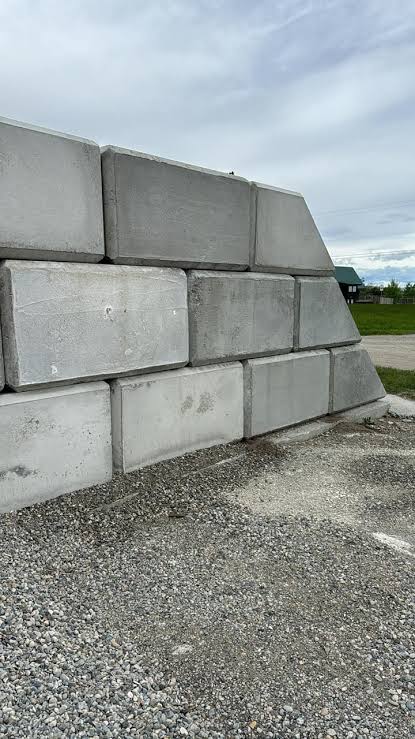
Fifth, put the warranty in its proper place in your decision. It is one factor among several, alongside the contractor's plan for the footing, drainage, and backfill, their references, and how clearly they explained your specific site. A modest, specific, written warranty from a builder who does the hidden work right is worth more than a sweeping promise from one who was vague about drainage. Walls in East Tennessee clay, built from big eco blocks of roughly two feet by two feet by four feet, live or die on that hidden work long before warranty language is ever tested.
When you sit down with any contractor, bring these questions and write down the answers. If you would like our answers as part of comparing your options, try the wall calculator on the site to start the conversation, or call (423) 358-2317 for a free estimate. A good warranty should leave you feeling clearer after you read it than before, and a good contractor will be glad you asked.
Want to know what your wall takes? Run the wall calculator for a block count, then send your details for a free estimate — no pressure, no obligation.