Vines, Groundcover, and Softening a Big Block Wall Over Time
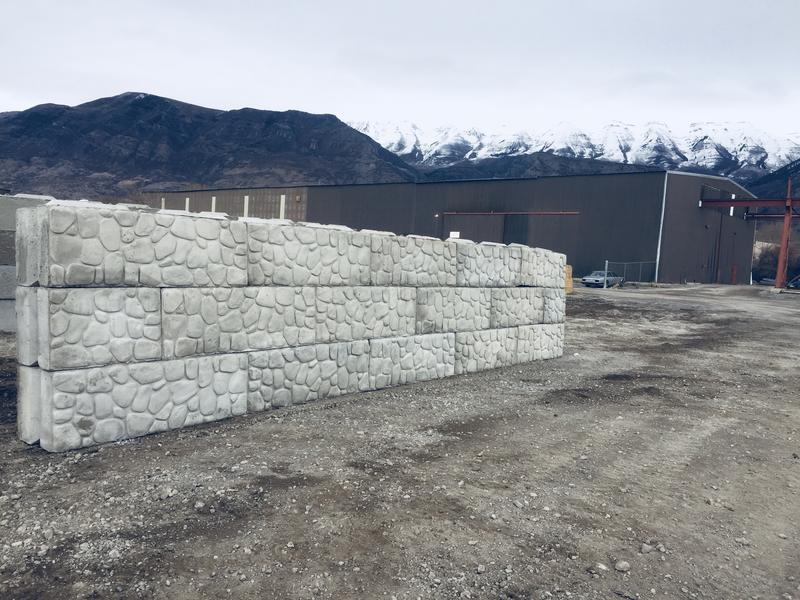
A new eco block wall is an honest-looking thing: big, even courses of concrete in a plain or brown finish, a clean cap on top, and not a leaf in sight. Some homeowners love that crisp look forever. Others look at the same wall and see a backdrop waiting for plants. Softening a large wall with vines, groundcover, and plantings is a fine goal, and it works best when the plants are chosen and placed with the wall's job in mind, because the wall still has to hold a hillside long after the landscaping goes in.
Start at the top of the wall, which is the easiest and safest place to soften it. Plantings in the level ground behind the top course can spill gently toward the edge, breaking up the long straight line of the cap without touching the structure. Keep shrubs and small trees back a sensible distance from the edge, so root balls and mature weight are not crowding the wall, and keep the drainage swale or grade above the wall clear enough to do its job. A plant that dams up runoff behind a wall is working against you, however pretty it is.
The face of the wall is where restraint matters most. Climbing vines that root into joints and pry as they grow are a poor match for any masonry, and a block wall is no exception. If you want green on the face, better options are plants in front of the wall that lean or cascade toward it, or a trellis or cable system set slightly off the face that gives a vine something of its own to climb. That way you get the softened look without roots and tendrils working into the joints season after season, and the wall face stays easy to inspect.
Groundcover at the base does quiet, useful work. A living mat in front of the wall hides the necessary buried course line, keeps mower and trimmer work away from the blocks, and helps the ground at the toe resist erosion. Choose covers that spread without climbing, and keep the drainage outlet area clear and findable. An outlet buried under enthusiastic groundcover cannot be checked, and one of the small habits that keeps walls healthy is being able to see that water leaves where it is supposed to after a storm.
Give the whole planting scheme time, because softening is a seasons-long project, not a weekend reveal. In the first year, new plantings on a freshly graded East Tennessee slope are mostly establishing roots, and the wall will still look fairly new. By the second and third seasons, groundcover knits together, shrubs fill in above the cap, and the wall starts to read as the bones of the landscape rather than the whole landscape. That gradual change is normal, and most people end up liking the wall more each year as the green arrives.
A few cautions keep the peace between plants and wall. Do not pile mulch against the face in deep drifts that stay wet against the blocks. Do not plant anything with aggressive, water-seeking roots right at the wall base. And when you do your seasonal walk, still look at the wall itself: lines of blocks should stay straight, joints should stay tight, and no soil should be washing out anywhere, no matter how good the planting looks. Plants are the frame. The wall is still the picture's structure.
If you are planning a wall and already picturing it softened with green, say so during the estimate, because planting plans can shape small choices about cap finish and grading. And if your wall is already built, start with top and toe plantings this season. For a new wall project, try the wall calculator on the site, or call (423) 358-2317 for a free estimate. A big wall and a soft landscape are not opposites. Given a little time, they make each other look better.
Want to know what your wall takes? Run the wall calculator for a block count, then send your details for a free estimate — no pressure, no obligation.