The Winter Wall Check: A December Walk-Around List
December is a good month to look at your retaining wall, and not just because the leaves are down and you can finally see it. Winter in East Tennessee means freeze and thaw cycles, long cold rains, and soil that stays wet for weeks. A wall goes into that season either ready or not, and a slow fifteen-minute walk-around this month will tell you which kind you own while small fixes are still small.
Start with the drains. Find every outlet where water from behind the wall is supposed to exit, and make sure each one is open, not buried under mulch, matted leaves, or a shifted landscape stone. A blocked outlet in December means a winter of water standing behind the wall, freezing and thawing in the backfill. Clearing an outlet takes a glove and two minutes, and it may be the highest-value two minutes your wall gets all year.
Look at the ground behind the top of the wall. You want it graded so rain sheds away or along a planned swale, not ponding against the blocks. Check for settling trenches that appeared over the fall, animal burrows, which are more common and more damaging than most people guess, and any new crack in the soil running parallel to the wall. Fill and tamp small dips now, because a December dip becomes a January pond, and a pond behind a wall is pressure with nowhere to go.
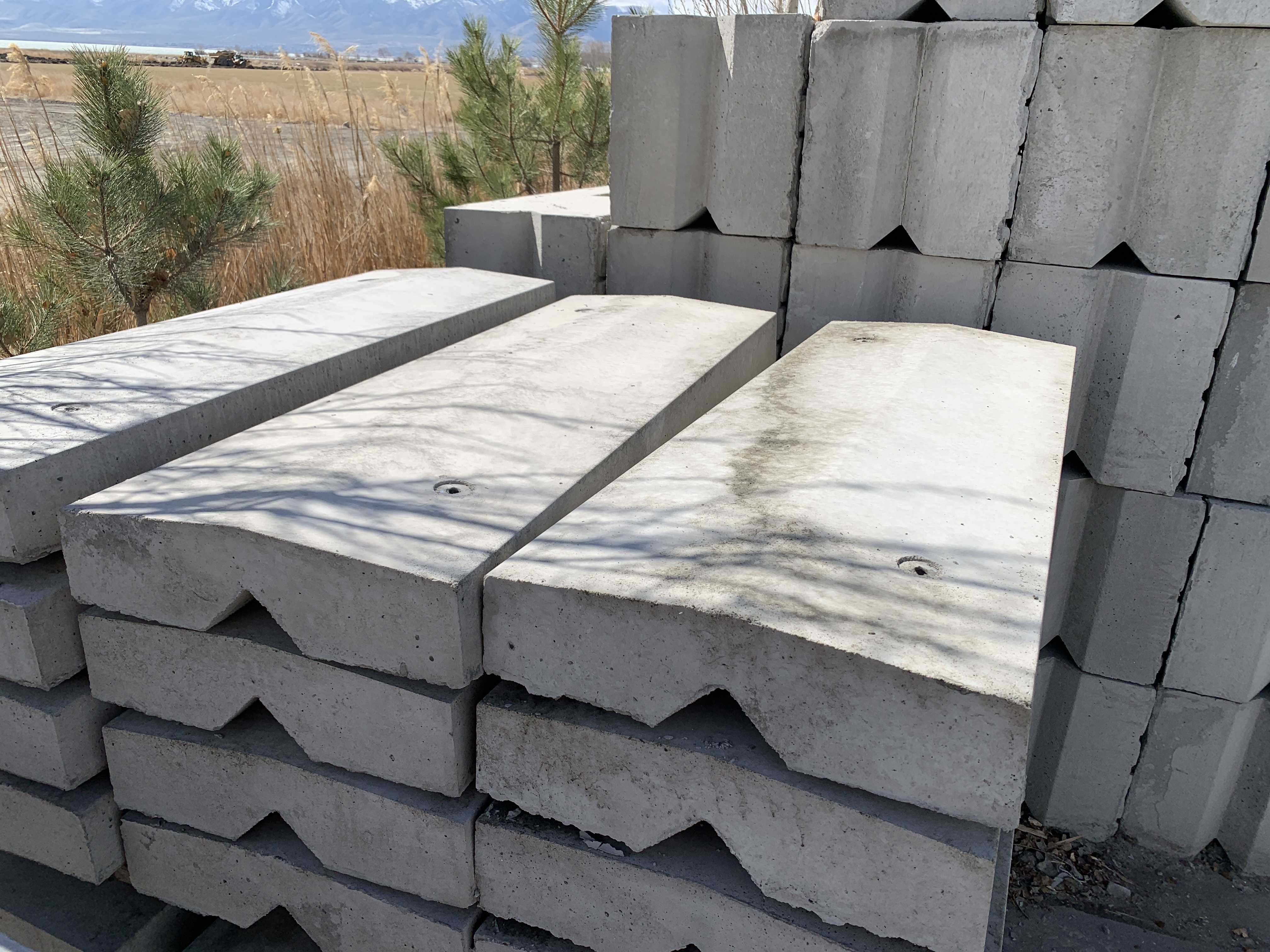
Give the wall itself a straight look, literally. Sight along the face and along the top cap line for any fresh lean, bow, or stepped block. Check caps for rocking or cracks, especially after the first hard freezes. Eco blocks are massive, roughly two by two by four feet, so a sound wall should look exactly as it did in October. Change, not age, is the warning sign, and December photos from the same two or three spots each year make change easy to prove to yourself.
Check the toe of the wall, the ground at its base. It should be firm and clear, not undercut by erosion and not buried under a fresh pile of soil or firewood stacked against the face. Stacking anything against a wall traps moisture and hides the base from inspection. Also clear leaves out of any channel or swale that carries water away from the wall, because winter rains in Knoxville are long and steady, and drainage paths clogged with November leaves will overflow in exactly the wrong places.
Finish by looking at what winter will add. A tree above the wall holding dead limbs, a downspout that came loose in a fall storm, a gutter overflowing right at the wall line, a load of gravel or a trailer newly parked close above the wall: December is when you can correct all of these in an afternoon. Walls rarely fail from one cause. They fail from a wet season plus a blocked drain plus an extra load, arriving together. Your walk-around breaks that combination before it forms.
Put the date on your photos and notes and file them away. If everything looked sound, you have bought yourself a quiet winter and a baseline for next year. If something looked off, you have found it at the cheapest possible moment, with months to plan a repair before spring growth and spring rains make access and answers harder.
If you are planning a wall, try the wall calculator on the site to size up your project, or call (423) 358-2317 for a free estimate. We build eco block retaining walls across East Tennessee, and we are glad to walk a lot with you and talk through drainage, layout, and finish before any work starts.
Want to know what your wall takes? Run the wall calculator for a block count, then send your details for a free estimate — no pressure, no obligation.