The Top Cap Course: Alignment, Cuts, and the Finished Look
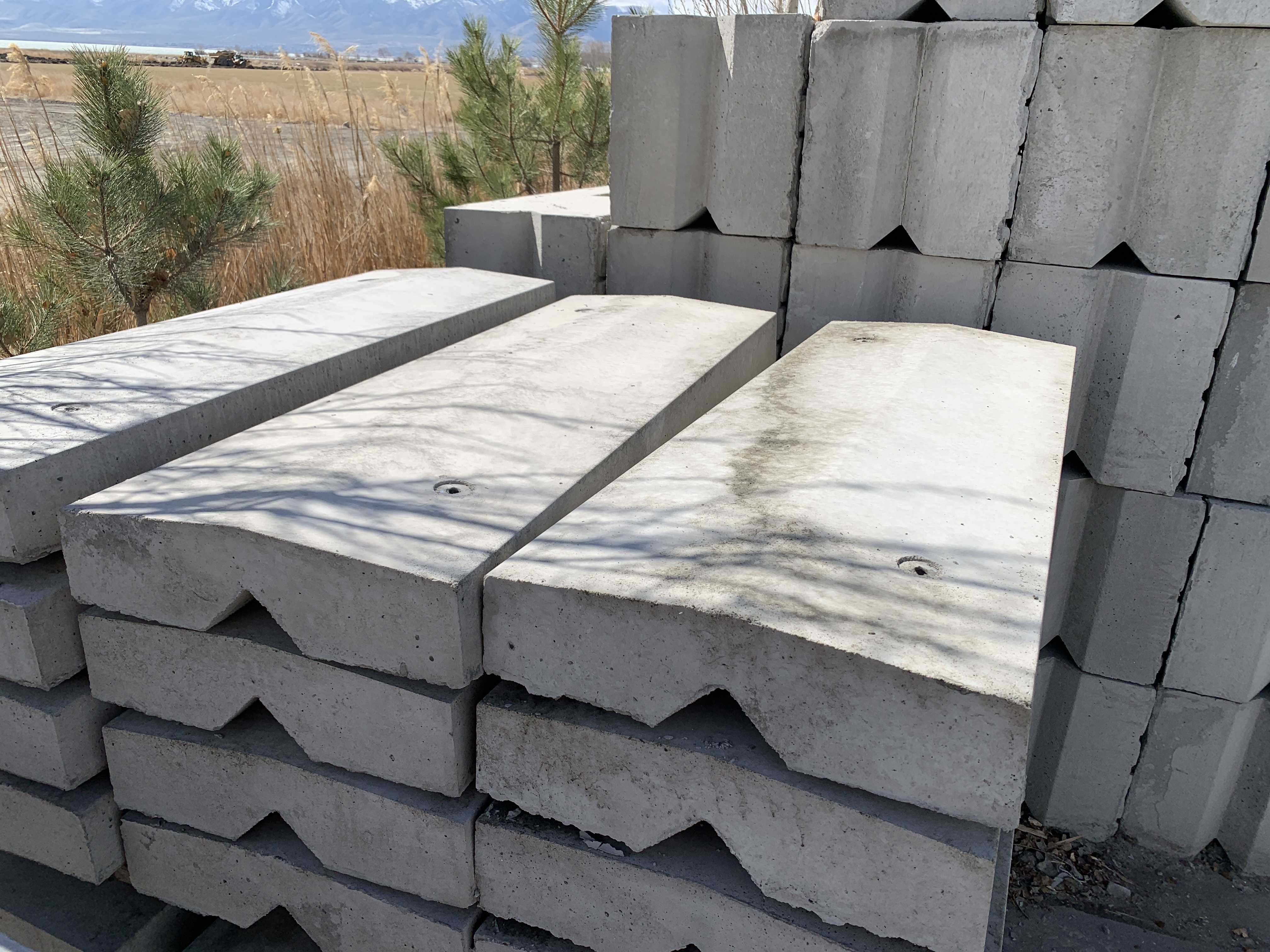
Every retaining wall has one course that does the public relations for all the others: the top cap. The courses below can be perfectly set, the base deep and level, the drainage textbook, and yet the cap is what the eye reads from the road, from the porch, and from the yard above. A cap line that runs true, with tight joints and a clean edge, makes the whole wall look deliberate. A cap line that wanders, with uneven joints and awkward slivers at the ends, makes the same honest wall look improvised. It is a small course with an outsized job, and it rewards exactly the kind of care it asks for.
Alignment starts below the cap, not on it. The cap sits on the top structural course, and it can only be as straight as what it rests on, which is why careful builders check the line of the wall as it rises rather than hoping to fix everything at the top. When the cap goes on, each unit is set to a string line so the front edge holds one continuous plane along the run. On a long wall in Knoxville or out in the county, the eye is merciless about this: it catches a single cap sitting a finger's width proud of its neighbors from fifty feet away, while a uniformly straight run reads as quality without anyone knowing why.
Cuts are where caps earn their keep. Walls rarely work out to a perfect number of full units, and ends, corners, returns, and step-downs all ask for pieces cut to fit. A good cut is measured honestly, made cleanly, and placed where it looks intentional: a solid partial piece at an end reads as planned, while a tiny sliver in the middle of a run reads as a mistake nobody wanted to fix. Corners deserve particular care, because the cap turning a corner is where two lines meet, and a mitered or neatly butted corner gives the wall the finished, furniture-like quality that separates a dressed wall from a merely stacked one. Eco blocks are big units, about 2 by 2 by 4 feet, so the cap treatment is chosen to suit that scale rather than fight it.
The cap also does functional work beyond looking straight. It sheds water off the top of the wall instead of letting it sit in the joints of the top course, it protects the upper edge of the structural blocks from the worst of the weather, and it gives the top of the wall a finished surface that tolerates the real life of a yard: a boot stepping up, a flowerpot set down, a grandchild walking the wall like a balance beam under a watchful eye.
Finishes tie the cap to the rest of the picture. Eco block walls come in plain and brown finishes with a top cap option, and the cap can match the wall for a quiet, monolithic look or set the top line off subtly so the wall reads as a designed element rather than a purely practical one. Against brick, siding, or stone at the house, the brown finish and a clean cap often bridge the gap between a concrete structure and a finished home exterior.
Maintaining a cap course is mercifully simple. Keep soil and mulch from creeping over it, rinse off the pollen and road film a couple of times a year, and check after winter that no unit has been nudged out of line by frost, a mower, or a vehicle. A cap that has shifted slightly is usually an easy reset if it is caught while the rest of the line is still true, and it is far easier than re-establishing a line that has wandered in several places over several seasons.
When you look at wall photos, or at the wall in your own yard, let your eye travel the cap line first and the judgment will take care of itself. If you are planning a wall and care how it presents from the road, say so early, because cap choices and the care they require belong in the plan from the first course up. Try the wall calculator on the site to size the wall beneath the cap, or call (423) 358-2317 for a free estimate and a look at finish options in plain, brown, and top cap, set as straight as a string can make them.
Want to know what your wall takes? Run the wall calculator for a block count, then send your details for a free estimate — no pressure, no obligation.