The Sloped Backyard Playbook: Wall, Terrace, or Regrade?
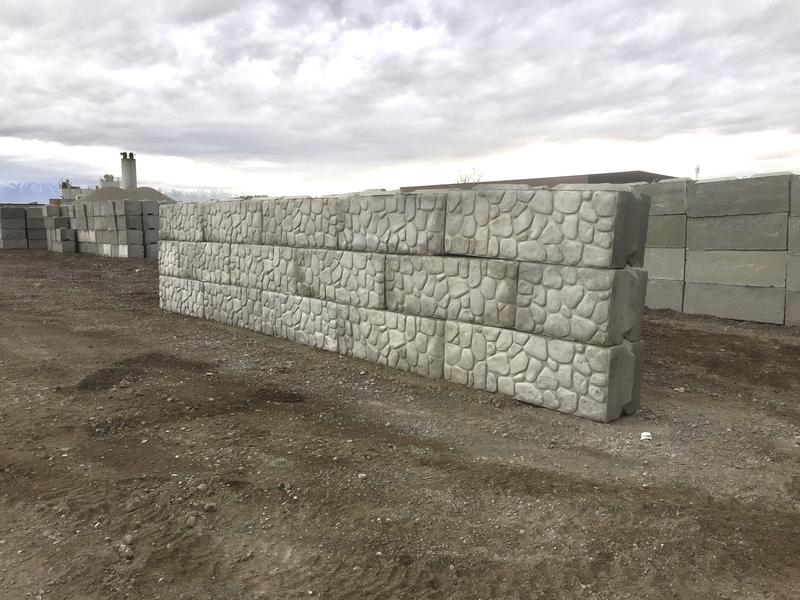
Almost every East Tennessee backyard has a slope in it somewhere, and almost every homeowner with one eventually asks the same question: how do I make this ground usable? There are three basic plays. You can build one retaining wall and create a single level area, you can terrace the slope with two shorter walls and two levels, or you can skip walls entirely and regrade, spreading the slope out until it is gentle enough to mow and use. Each approach works. Each also fails when it is matched to the wrong yard, the wrong height, or the wrong idea of how the space will actually be used.
Regrading is the simplest option and the right one more often than people expect. If your slope is moderate and you have room to spread it out, moving soil to soften the grade can give you a yard that drains well, mows easily, and never asks anything of a wall. The limits are space and steepness. On a small lot in Knoxville or Maryville, there may be no runout room to soften a steep bank without pushing the problem onto a fence line or a neighbor. Regrading also moves the question to where the water goes next, because a freshly shaped slope still has to shed a thunderstorm without eroding before grass takes hold.
One wall is the play when you want one real, flat space: a lawn that sits level, a patio, a play area, a parking pad, or a garden you can work without bracing a leg. A single wall concentrates all the height in one place, which makes the flat area above it genuinely useful and keeps the rest of the design simple. The trade-offs are that a taller wall is a bigger project, needs its drainage done right, and creates a clear edge that has to be thought about for kids, mowers, and anyone walking the yard at night. For a lot of backyards, one well-placed wall partway down the slope beats a wall at the very bottom, because it leaves usable ground on both levels.
Terracing splits the difference, literally. Two shorter walls divide a tall slope into steps, each with its own level strip. Terraces suit gardens beautifully, since each level can hold beds, paths, and plantings at a comfortable working height, and they suit long slopes where a single tall wall would look and feel imposing. The lower wall does not have to match the upper one in length, and the strip between walls can be lawn, planting bed, or gravel depending on how you live. Terraces also stage a big project: some families build the upper wall first, use it for a season, and add the lower wall when they are ready.
Drainage should cast the deciding vote in close calls. Every wall interrupts the path water used to take downhill, so each one needs its own drainage and an outlet that daylight's somewhere sensible. That is manageable on most lots, but a slope with a spring, a constantly wet band, or heavy runoff from roofs and driveways above needs a plan that treats water first and levels second. In our clay, a terrace that ponds water on its flat strip will be a muddy disappointment no matter how handsome the blocks are. Watch your yard during a hard rain before choosing, because that hour teaches more than any sketch drawn on a dry day.
Cost and effort follow height and access more than anything else, but think about maintenance too. A regraded slope asks for grass and a mower. A wall asks for clear outlets and occasional checks. Terraces ask for both, across two levels, plus whatever you plant between them. None of that should scare anyone off. It should simply point each yard toward the version its owners will happily maintain. The prettiest solution in a photo is the wrong solution if it makes your Saturday chores harder than the slope did.
A good way to decide is to stand in the yard and name the job precisely: flat for what, for whom, and how often? Measure the total drop from the top of the slope to the bottom, and pace the length. Then try the wall calculator on the site to see what a wall for that slope looks like, or call (423) 358-2317 for a free estimate and a walk-through of whether your backyard wants a wall, a terrace, a regrade, or some honest combination of the three.
Want to know what your wall takes? Run the wall calculator for a block count, then send your details for a free estimate — no pressure, no obligation.