The Seasonal Wall Calendar: What to Check Each Season of the Year
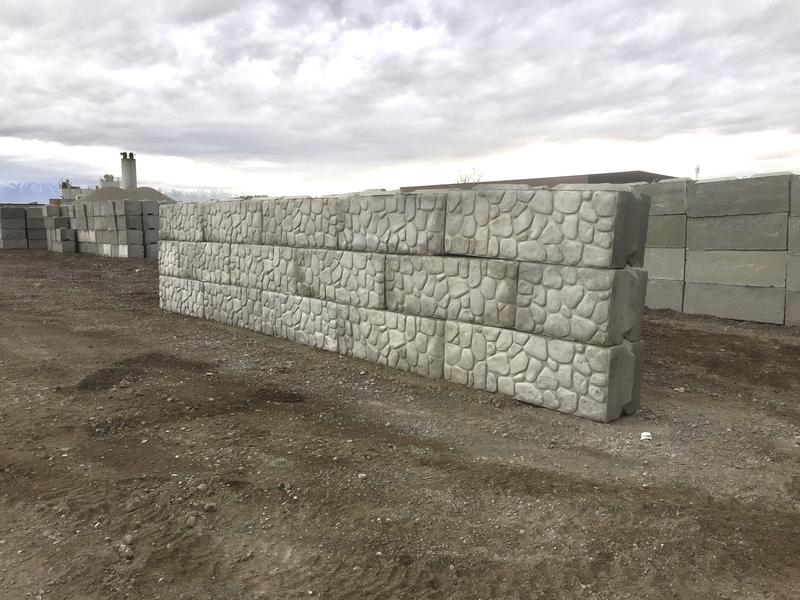
Retaining walls do not ask for much attention, but the little they ask for pays off best when it is spread across the year. East Tennessee seasons each test a wall in a different way: spring with heavy rain, summer with heat and storms, fall with leaves and debris, and winter with freeze and thaw. A simple seasonal walk, four times a year, catches the small things while they are still small. Here is what to look for as the year turns, whether your wall is brand new or a decade old.
Spring is drainage season. After the wettest weeks of the year, walk the wall during or just after a good rain and confirm water is leaving through the drainage outlet instead of ponding behind the top or seeping heavily through the face. Check the grade above the wall for low spots where soil settled over winter, and fill and firm any shallow dips before they become ponds. Look at the base for soil that washed out, mulch that migrated, and any new channel cut at the ends of the wall. Sight along the face for any change in line, and photograph anything that looks different from last year.
Summer is growth and storm season. Keep vegetation from rooting into the wall's joints, and trim back anything that has started to pry or climb into the blocks themselves. After big thunderstorms, do a quick version of the spring check: outlet running, no fresh washout, no new leaning. Watch the ground above the wall during dry stretches too, because cracked, shrunken clay can open gaps that the next storm will exploit. If irrigation runs near the wall, make sure no head is spraying the backfill area daily, since a wall that never dries out works harder than it should.
Fall is cleanup season. Leaves and debris collect behind the top course, at the ends of the wall, and around the drainage outlet, and a mat of wet leaves holds moisture exactly where you least want it. Clear the outlet area so you can find it in winter, rake out the line along the top of the wall, and check that downspouts and splash blocks are still directing roof water away from the backfill. Fall is also a good time to top up mulch in beds above the wall, at a modest depth, so winter rains hit covered soil instead of bare clay.
Winter is freeze and thaw season. Water trapped in soil expands as it freezes, and repeated cycles are part of why drainage matters so much in the first place. You cannot inspect much in a hard freeze, so use the January thaws: walk the wall after a melt, look for new seepage lines, fresh soil at the base, and any block that seems to have shifted compared with your photos. Keep an eye on ice forming where the outlet drains, since a frozen outlet during a big melt is worth noting and checking again once temperatures ease.
Through all four seasons, keep the checks simple and the records simpler. A few dated phone photos from the same two or three spots become a surprisingly powerful history over a few years, showing whether a crack is new or ancient and whether a slight bow is stable or growing. Most walls, most years, will pass every walk with nothing to report, which is exactly what you want to hear.
If a seasonal check ever turns up soil washing through the wall, a blocked or crushed outlet you cannot clear, standing water that will not leave, or visible movement in the blocks, that is the time to get a professional opinion rather than another season of watching. For a new wall, or a professional look at an old one, try the wall calculator on the site or call (423) 358-2317 for a free estimate. Fifteen minutes a season is a fair trade for a wall that quietly does its job for decades.
Want to know what your wall takes? Run the wall calculator for a block count, then send your details for a free estimate — no pressure, no obligation.