Surface Water vs. Ground Water: The Two Enemies of Every Wall
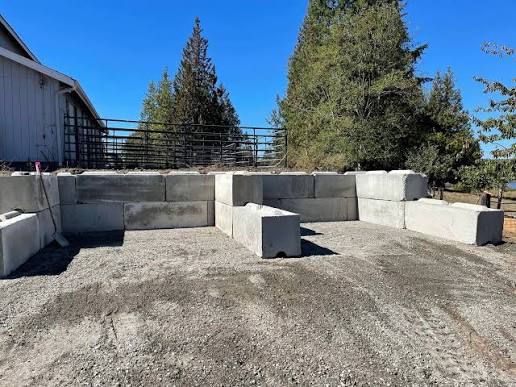
Ask what ruins retaining walls in East Tennessee and the honest answer is one word: water. But water is really two different problems wearing the same name, and mixing them up is how a wall ends up with the wrong fix. Surface water is the rain you can watch: runoff from roofs, driveways, and yards that flows across the ground during a storm. Ground water is the water you cannot see: moisture moving slowly through the soil, collecting behind a wall for days after the rain stops, and pressing against the back of the blocks the whole time.
Surface water does its damage mostly from above and in front. It pours over the top of a wall and cuts channels in the backfill, it runs along the base and undermines the front, and it carries mulch, gravel, and topsoil away a little with every hard Knoxville thunderstorm. You can spot it easily after a rain: ruts behind the wall, mud streaks down the face, puddles sitting where the grade was supposed to shed water away. The fix is grading and routing. Ground above the wall should slope gently away, downspouts should discharge well past the wall, and swales or ditches should intercept hillside runoff before it ever reaches the backfill.
Ground water is quieter and heavier. Soil holds water like a sponge, and saturated clay weighs far more than dry clay while also pushing sideways with real pressure. Behind a wall with no drainage, that pressure builds until the wall bulges, leans, or slides, often weeks after the wettest weather rather than during it. East Tennessee red clay makes this worse because it drains slowly on its own. You might never see a puddle, yet the ground behind the wall can stay saturated through a whole wet March, quietly loading the wall the entire season without any obvious warning on the surface.
The fix for ground water lives behind the wall, where most people never look. A proper wall is built with free-draining material directly behind the blocks and a drainage path at the base that collects water and carries it to an outlet at the ends or through the face. That system gives water an easy way out so pressure never builds. This is the part of a wall you cannot judge from the road, and it is exactly why two walls that look identical in a photo can age completely differently. The visible blocks are the face of the wall. The drainage behind them is the structure that lets the face stay where it was built.
Because the two problems are different, the repairs are different too. A wall suffering mainly from surface water may need regrading above it, a moved downspout, a shallow swale, and fresh backfill where ruts formed, all without touching the blocks. A wall suffering from ground water pressure is a more serious conversation, because the drainage behind it was missing, blocked, or never connected to an outlet, and surface fixes alone will not relieve the load. Telling the two apart starts with timing: damage that appears during a storm points up top, while a lean that grows through a wet season points behind the wall.
Homeowners can do a few useful checks with no tools at all. After a heavy rain, walk the wall and note where water stands, where it flows, and whether the outlets at the base are actually running. Look for muddy weep water, ruts behind the top course, and erosion at the ends. Photograph what you find, because a pattern across two or three storms is far more informative than any single visit. If the area behind your wall stays spongy for days while the rest of the yard dries, ground water is telling you something worth hearing early.
Whether you are planning a new wall or watching an older one, respect both enemies and give each its own fix: grade and route the surface water, and drain the ground water from behind the blocks. If you are planning a project, try the wall calculator on the site to size the wall itself, or call (423) 358-2317 for a free estimate where drainage above and behind the wall is part of the conversation from the start, not an afterthought once the blocks are already set.
Want to know what your wall takes? Run the wall calculator for a block count, then send your details for a free estimate — no pressure, no obligation.