Staining and Sealing a Concrete Block Wall: Options and Upkeep
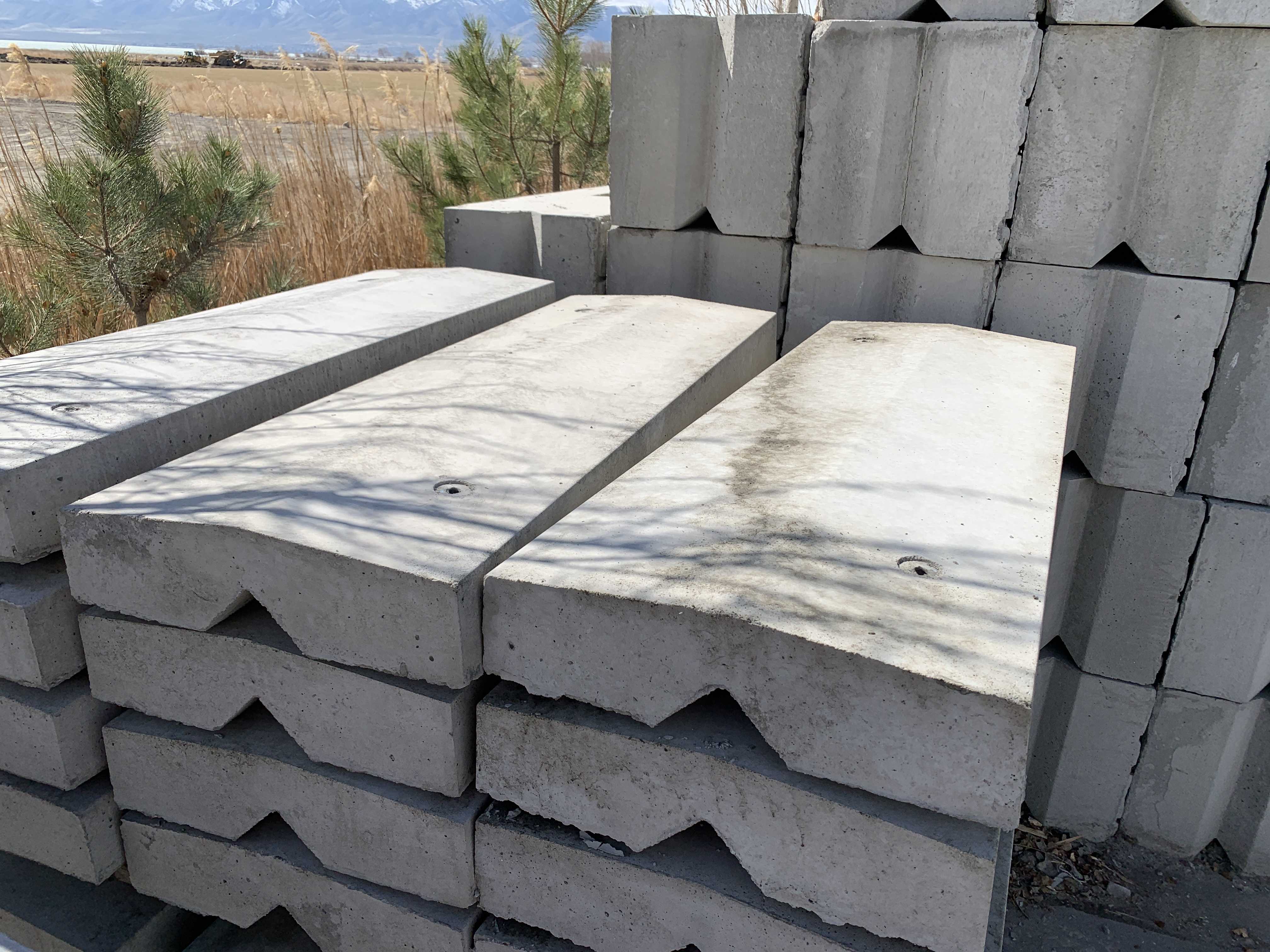
A plain concrete wall does honest work, but not every homeowner wants the look of plain concrete next to the patio. That is where staining and sealing come in. Eco blocks are available in plain and brown finishes, and a top cap can sharpen the look considerably, but for an existing wall, or a new one where you want a particular tone, a stain can shift the color while keeping the texture of real concrete. A sealer, meanwhile, is less about looks and more about protection and easier cleaning. Both can be good choices when they are applied with reasonable expectations and a little patience.
Start with what stain actually does. A penetrating stain soaks into the concrete and changes its tone rather than painting a film over it, so the finished wall still looks like concrete, just warmer, darker, or more uniform. Because the blocks were cast at different times and weather at slightly different rates, some variation from block to block is normal and, to most eyes, looks natural rather than flawed. Heavy film-forming coatings are a different story on a retaining wall: they can trap moisture that is trying to move through the blocks, and peeling paint on a wall face is far harder to fix than a fading stain ever is.
Sealer choices run from invisible water repellents to products that deepen the color and add a slight sheen. On a retaining wall, the practical benefits are slower water absorption, less mud and algae staining in shaded spots, and easier rinsing when East Tennessee pollen season paints everything yellow-green. The limits matter too. Sealer does not fix drainage, does not stop a wall from moving, and does not last forever exposed to sun and rain. Think of it as maintenance that buys easier upkeep for a few seasons at a time, not as armor that lets you forget the wall exists for a decade.
Timing and preparation decide how either product turns out. Concrete needs to be clean and genuinely dry, which in our climate means a stretch of dry weather, not just a sunny afternoon after a wet week. New concrete also needs time to cure before it is stained or sealed, and rushing that step is the most common reason for blotchy results. Pressure washing can help an older wall, but let it dry thoroughly afterward, and never seal over efflorescence, the white mineral haze that sometimes appears on concrete, without understanding why it formed. That haze often signals moisture moving through the wall, which is a drainage conversation first and a cosmetic conversation second.
Upkeep after sealing is simple but real. Rinse the face a couple of times a year, keep soil and mulch from building up against the top course, and clear the drainage outlets so water keeps leaving from behind the wall instead of soaking it from the back side. In shaded, damp spots around Knoxville and the foothill communities, algae will eventually find any wall, sealed or not, but a sealed face usually cleans up faster with a brush and mild cleaner. Watch for areas where a downspout or sprinkler keeps one section constantly wet, since no coating appreciates being wet from behind while it is supposed to dry to the front.
One caution worth stating plainly: never seal the back of a wall, block drainage paths, or coat weep openings shut in the name of waterproofing. A retaining wall is supposed to let ground water escape in a controlled way. Sealing the visible face for appearance and easier cleaning is fine. Trying to make the wall watertight from the front fights the way the wall was designed to work and can push moisture problems somewhere worse. If your wall face stays wet for days after rain, shows growing white deposits, or weeps muddy water, deal with the water first and the cosmetics second.
If you are deciding between finishes on a new wall, or wondering whether your existing wall is a good candidate for stain and sealer, photos in daylight tell most of the story. Try the wall calculator on the site if a new wall is part of the plan, or call (423) 358-2317 for a free estimate and an honest opinion on whether your wall needs drainage attention, a good cleaning, or just the color you wanted in the first place.
Want to know what your wall takes? Run the wall calculator for a block count, then send your details for a free estimate — no pressure, no obligation.