Retaining Walls in Maryville and Alcoa: Foothill Lots Near the Mountains
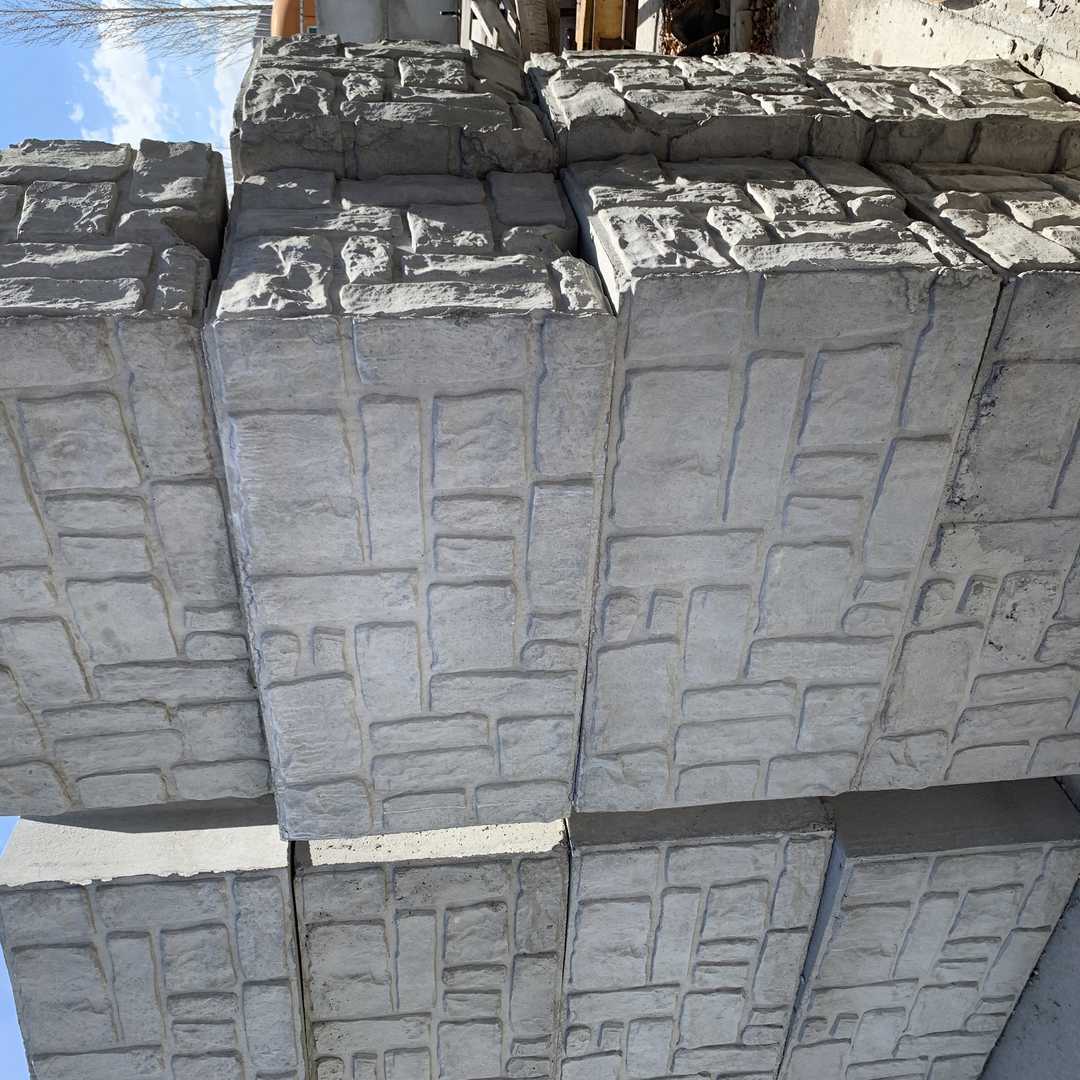
Maryville and Alcoa sit in that in-between ground Blount County does so well: flat valley floor one street over, and genuine foothill slope the next. Houses here climb from the flats toward the ridges in every direction, with the mountains filling the windshield, and a great many lots carry a slope that is too steep to enjoy and too gentle to ignore. Retaining walls are the quiet infrastructure of these neighborhoods. They hold the driveway cut, level the backyard, protect the downhill edge of a parking pad, and generally turn Blount County's beautiful, tilted ground into yards that families can actually use every day.
The typical project here starts with a familiar frustration. The backyard falls away so sharply that the flat part is a narrow shelf behind the house, the side yard is a mowing adventure, or the drive needs a retaining edge where the bank keeps slumping onto the pavement after every wet season. Eco blocks fit these lots well: big concrete blocks about 2 by 2 by 4 feet, strong enough to hold a real grade change, available in plain and brown finishes with a top cap option, and handsome enough for the visible front-yard and driveway work that Maryville and Alcoa homeowners often put at the top of the list. A wall here is not hidden at the back of a pasture. It is part of the street view, and it should look like it.
Drainage in the foothills has a personality worth respecting. Lots on these slopes receive water from above, sometimes from a whole hillside of roofs, drives, and woods, and Blount County storms can deliver it all at once. A wall plan has to intercept that surface water before it reaches the backfill, drain ground water from behind the blocks to a clear outlet, and send everything somewhere that does not create a new problem at the lot below. The best foothill walls are designed as part of the street's whole drainage picture, not just one lot's.
Many local walls also serve the second-home and in-law projects that are common in this area, leveling a site for an additional dwelling, a detached garage, or an RV pad for the rig that spends summers headed into the national park. Access for those projects can be snug: established neighborhoods, mature trees, fences, and shared drives all shape how blocks and equipment reach the wall line. None of it is unusual for local work, but it rewards a planning visit that measures gates and turns honestly, identifies where blocks will stage, and agrees in advance on what happens to the soil that comes out of the hillside, since a foothill cut produces more dirt than most homeowners expect.
Once the new level ground exists, what grows on it matters to how it holds. Freshly graded foothill soil washes quickly in mountain-fed rain, so getting turf established promptly on the disturbed areas protects the whole investment, and many Blount County homeowners review fast seeding approaches like those at Knoxville hydroseeding when a slope needs even cover in a hurry. Above all, keep the first season's chores small and steady: clear the outlets after storms, watch how the new grade handles its first hard rains, and fill any settling strip behind the wall while it is still a trowel-and-bucket job instead of a Saturday project.
There is also a long view to take in foothill country, because these lots hold their value and their families for a long time. A well-built wall with real drainage is the kind of improvement that simply becomes part of the property, outlasting fences, decks, and several rounds of landscaping. It makes the flat shelf behind the house bigger, the drive safer in a freeze, the garden possible, and the view from the deck something you enjoy from level ground rather than admire while bracing on a slope. That is a fair return for building the wall once and building it correctly.
If your Maryville or Alcoa lot has a slope running the show, measure the drop where you want level ground and pace the length of the run, then photograph it from the street, from above, and from below. Try the wall calculator on the site for a preliminary size for your project, or call (423) 358-2317 for a free estimate and a walk of your lot with drainage, access, and the neighbors' water all part of the same practical conversation.
Want to know what your wall takes? Run the wall calculator for a block count, then send your details for a free estimate — no pressure, no obligation.