Retaining Walls in Greeneville and Rogersville: Holding Foothill Yards
Greeneville and Rogersville sit in some of the prettiest rolling country in East Tennessee, with ridges, creek bottoms, and foothill slopes in every direction. That same ground is why so many yards here are only partly usable. The front yard slides toward the road, the backyard drops off behind the house, and the one flat spot is wherever the builder happened to stop grading. A retaining wall does not fight that landscape. It works with it, holding a level terrace where a family actually wants to park, plant, play, or build, while the rest of the hill stays a hill.
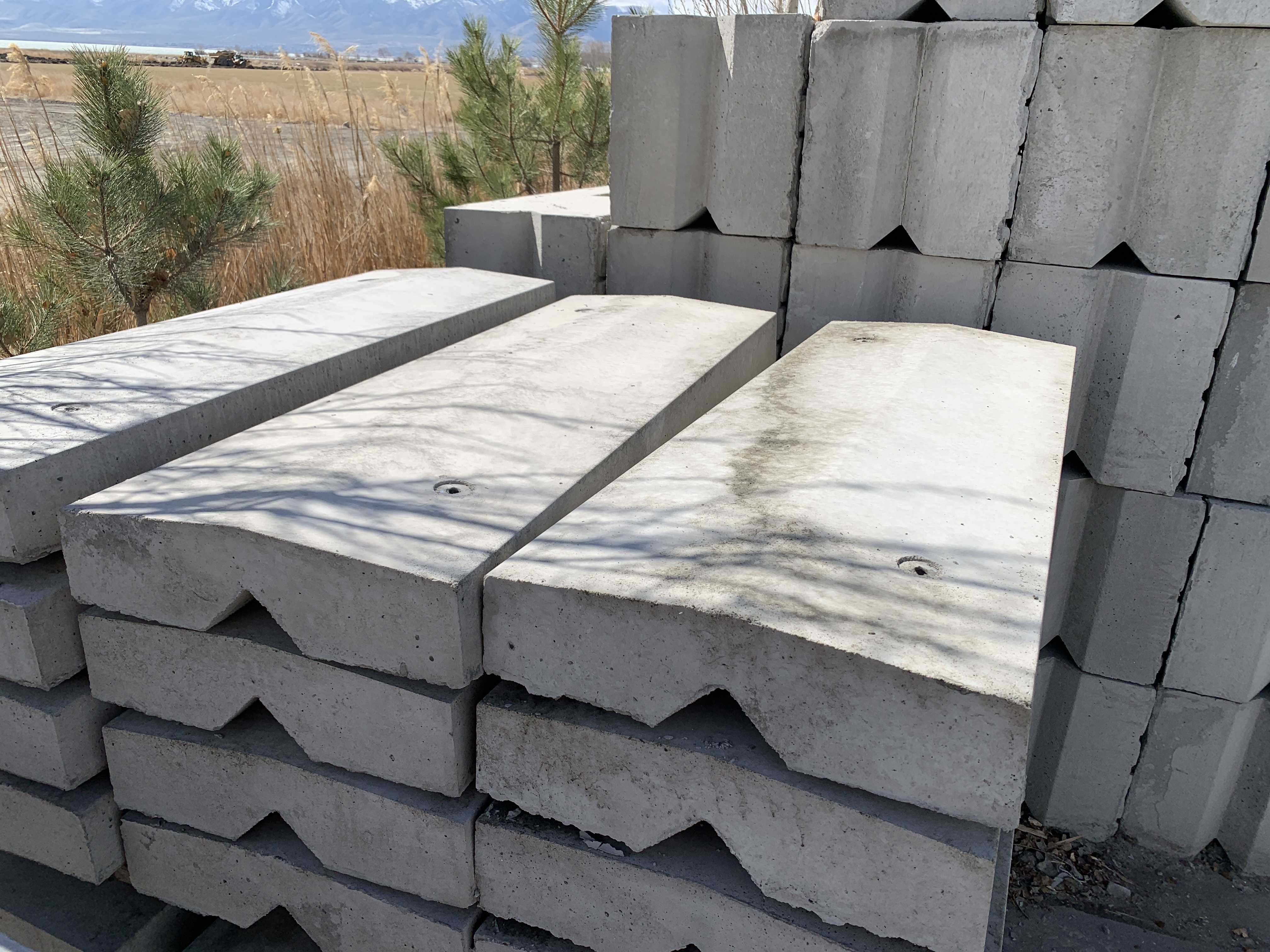
The typical Greene County or Hawkins County project starts with red clay and a slope that has been slowly moving for years. Fence lines lean, gravel drives wash toward the ditch, and mower work on the steep part is nobody's favorite chore. Eco blocks are a practical fit for this country: big concrete blocks, about 2 by 2 by 4 feet, set on a prepared base with drainage behind them. They come in plain and brown finishes with a top cap option, so a wall can look at home against a brick house in town or a farmhouse out on a county road without much fuss.
Drainage is the difference between a wall that lasts and a wall that leans, and foothill lots collect water in sneaky ways. A roof, a driveway, and an acre of hillside above the house can all send runoff to the same low corner during a spring storm. A good wall plan accounts for surface water on top, ground water behind the blocks, and a clear outlet where collected water can leave without crossing a walk or a drive. In older Rogersville neighborhoods and on Greeneville's in-town slopes alike, half the job is often rerouting water that should never have been pointed at the yard in the first place.
Many local projects are about reclaiming space rather than fixing a failure. A wall along the downhill side of a yard can create a flat lawn where a swing set actually sits level, room for a garden that does not wash out, or a parking pad so guests are not leaving cars on a narrow road shoulder. Farm families use the same approach for barn pads and equipment areas, and homeowners near the Nolichucky and the Holston use walls to hold driveway edges and entrance areas that kept crumbling into the ditch. Each project is different, but the pattern is the same: level the ground you use daily, and let the wall carry the slope.
Once the wall is in and the terrace behind it is graded and compacted, the new flat ground still needs a surface that will hold through its first season. Bare graded clay in East Tennessee washes fast, so getting grass established on the leveled area matters as much as the wall itself, and many homeowners look at seeding options like those at Knoxville hydroseeding when they want quick, even coverage on a fresh slope or yard. However you cover it, keep the first-year drainage outlets clear, watch how the new grade handles its first few hard rains, and top up any low spots that settle behind the wall while the ground firms up.
Access is the other local reality worth planning for. Foothill lots often mean a wall site at the end of a gravel drive, down a side yard, or below a road bank, and the blocks arrive by truck and are set with equipment. A walk of the site before work starts, noting gates, low limbs, septic areas, and soft ground, keeps delivery day smooth. Winter and early spring schedules also fill quickly in this area, because everyone who stared at a washed-out slope all season calls at once, so planning a project a little ahead of when you need the space is a genuine advantage.
If you are in Greeneville, Rogersville, or anywhere in the foothills between, start by measuring the slope you want to hold: the length of the run and the height difference between where the ground is and where you want it level. Photos from the road and from the house tell most of the story. Try the wall calculator on the site for a first estimate of the wall your yard needs, or call (423) 358-2317 for a free estimate from folks who work in this same red clay and rolling ground every week.
Want to know what your wall takes? Run the wall calculator for a block count, then send your details for a free estimate — no pressure, no obligation.