Retaining Walls in Farragut and Lenoir City: Suburban Slopes and Lake Lots
Farragut and Lenoir City yards often look tame from the street. The lawns are neat, the houses sit comfortably, and then you walk around back and find a slope that drops off behind the patio, a side yard that slides toward the neighbor, or a driveway cut into a bank that sheds dirt after every rain. Suburban slopes are still slopes, and in West Knoxville and Loudon County they come with the same clay soil and hard summer storms as anywhere else in East Tennessee.
In newer subdivisions, a lot of the trouble traces back to how the lot was graded when the house was built. Builders move a lot of earth quickly, and the finished yard sometimes sends water toward the house, across a flat patio area, or down a side slope that was never meant to hold planting beds. A retaining wall can correct the shape of a yard like that, holding the high side so the low side becomes usable ground for a lawn, a play area, or a garden instead of a muddy slide.
Lake-area lots around Lenoir City add their own wrinkle. Ground that tilts toward the water may be pleasant to look at and hard to use, and every rain carries soil, mulch, and fertilizer downhill. A well-placed wall slows that loss by leveling a working band of yard, whether that band becomes a terrace, a path-level area, or a planting bed. It also gives runoff a managed route instead of letting it cut its own channel a little deeper each season.
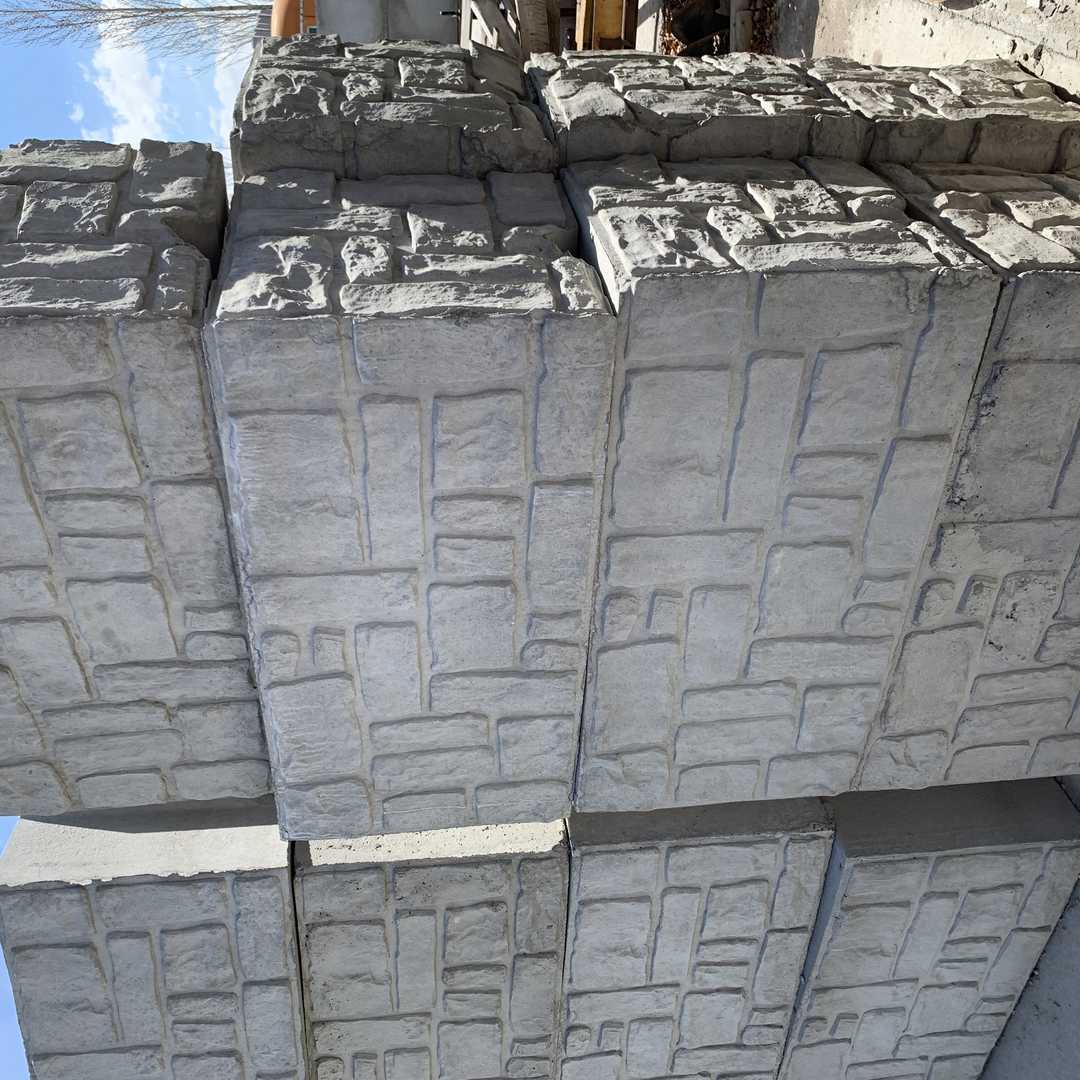
Access matters on suburban lots, and it is worth thinking about early. Fences, gates, narrow side yards, and close property lines all shape how big blocks get to the work area and where staging happens. Eco blocks are large, roughly two feet by two feet by four feet, which is part of why the finished wall is so sturdy, but that size means the plan should account for how equipment moves through the yard without tearing up the parts you want to keep.
Neighbors are part of the picture too. A wall near a property line should be planned with the line itself clearly known, and grading at the top and bottom should not send new water onto the lot next door. Most drainage disagreements between neighbors start with good intentions and a vague plan, so getting the water route settled on paper before work begins protects everybody. If your project changes how a shared slope drains, a friendly conversation ahead of time goes a long way.
Finish choices tend to matter more in these neighborhoods because the wall is often visible from the street or the back deck. Eco blocks come in plain and brown finishes, and a top cap finish on the upper course gives the wall a completed look that sits well next to brick, siding, and stone already on the house. There is no rule that a working wall has to look industrial. With the cap in place and the grading shaped in, most walls read as part of the original landscaping within a season, especially once the grass above and below is re-established, and many owners handle that final seeding step through a local service such as Knoxville hydroseeding when they want the yard finished out in one pass.
If you have a Farragut or Lenoir City lot with a slope that limits how you use your yard, start with a few photos and rough measurements of the drop. Try the wall calculator on the site to get an early sense of the wall your lot needs, or call (423) 358-2317 for a free estimate. Suburban ground still moves water like any other ground, and a wall planned around that fact will serve the yard for a long time.
Want to know what your wall takes? Run the wall calculator for a block count, then send your details for a free estimate — no pressure, no obligation.