Retaining Wall Drainage: The Real Reason Walls Fail in East Tennessee
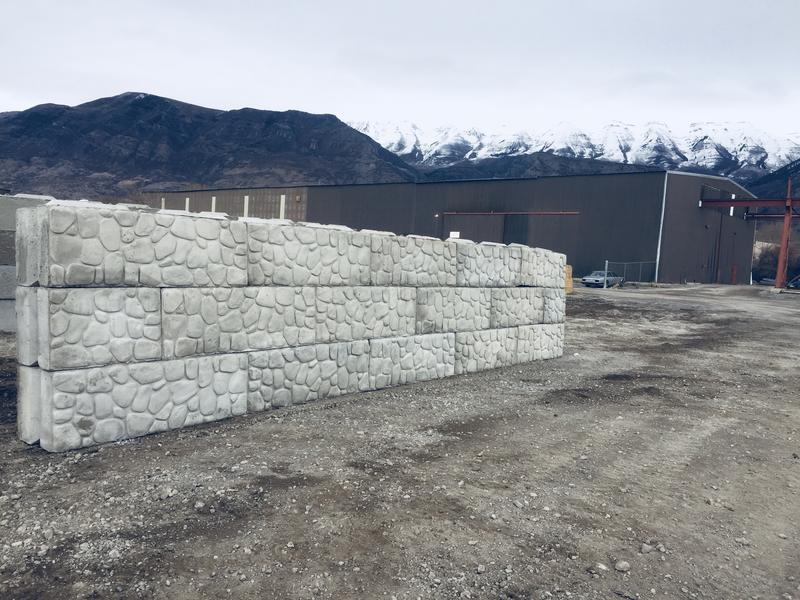
Most retaining walls don't fail because the blocks were too weak. They fail because of water — water that had nowhere to go. Here in East Tennessee, where our red clay soil holds moisture like a sponge and summer storms can dump inches of rain in an afternoon, drainage isn't an optional upgrade. It's the difference between a wall that stands for decades and one that starts leaning after a few hard seasons.
When we build a wall, we spend as much time planning for water as we do setting blocks. Here's what that looks like, and what to ask any contractor before you hire them.
Why water destroys walls
A retaining wall holds back soil, and soil holds water. When that water can't escape, it builds up pressure behind the wall — thousands of pounds of water quietly pushing. Our East Tennessee clay is especially bad for this: clay particles pack tightly and drain slowly, so water sits behind the wall longer after every rain.
That pressure causes the classic failures you've probably seen around Knoxville neighborhoods: walls leaning forward at the top, stair-step cracks along mortar joints, or whole sections bulging outward. In almost every case, the drainage behind the wall was inadequate or missing entirely.
Gravel backfill: the first line of defense
Directly behind every eco block wall we build, we place a column of clean drainage gravel — typically 12 inches or more of washed stone. This gives water an easy path downward instead of letting it saturate the soil against the block. It's a simple idea, but it's the single most important step in any retaining wall build.
Be wary of any contractor who plans to backfill with the same clay they dug out. That native soil just re-creates the original problem: water trapped against the wall with no way out.
The drain tile: where the water exits
At the base of that gravel column, we install a perforated drain tile (a flexible pipe with holes along its length) wrapped in filter fabric. Water percolating down through the gravel hits the pipe, flows into it, and runs out to daylight — a slope, a swale, or a drainage outlet away from the wall. The fabric wrap keeps silt and clay from migrating in and clogging the pipe over time, which is a real concern in our fine red-clay soils.
This is the part homeowners never see once the wall is finished, which is exactly why you should ask about it before signing a contract. If a contractor can't clearly explain where the water goes, keep looking.
Weep holes and daylight
On taller walls, we also plan for visible weep holes — small openings near the base that let water escape straight through the wall face. Combined with the gravel column and drain tile, they give water three exit routes instead of none. Redundancy matters because East Tennessee weather doesn't give walls an easy season: spring downpours, summer thunderstorms, and wet winters all test a wall differently.
Grading and gutters matter too
Sometimes the water problem isn't behind the wall at all — it's above it. Roof downspouts that dump onto the slope above a wall, driveways that sheet water toward it, or lawns graded toward the wall face can all overwhelm even good internal drainage. Before we build, we look at the whole picture: where does water come from, where does it go now, and where will it go when the wall is in place? Redirecting a downspout away from the slope above your wall is a cheap fix that can save an expensive repair later.
What about the soil on top?
Once the wall is built and backfilled, the disturbed ground above and below it needs to settle and take cover. We make sure surface water runs away from the wall top, not toward it — a slight grade away from the blocks keeps rain from ponding right at the wall line. If the slope above the wall stays bare, grass or another ground cover helps keep soil in place during heavy rains.
How long should a well-drained wall last?
A properly built eco block wall — massive two-by-two-by-four-foot concrete blocks with real drainage behind them — should serve for decades. The blocks themselves don't rot or rust; the failure mode is almost always water. When we talk about how long a wall lasts, we're really talking about how well the drainage holds up. That's why we build it right the first time: gravel column, fabric-wrapped drain tile, planned outlets, and sensible grading above the wall.
Three questions to ask any wall contractor
First: what goes directly behind the wall — gravel or the native soil you dug out? Second: where does the drain pipe outlet, and is it wrapped in filter fabric? Third: how are you handling surface water above and below the wall? If a contractor brushes these questions off or can't answer them plainly, that's your sign to call someone else. Drainage is not the place to cut corners — it's the part of the job that determines whether your wall outlives the warranty or becomes a teardown.
Ready to talk about your wall? Try our wall calculator to get a rough block count for your project, then call (423) 358-2317 for a free estimate. We'll look at your slope, your soil, and your water — and build you a wall that's ready for East Tennessee rain.
Want to know what your wall takes? Run the wall calculator for a block count, then send your details for a free estimate — no pressure, no obligation.