Retaining Wall Backfill Gravel: The Hidden Layer That Helps Walls Drain and Last
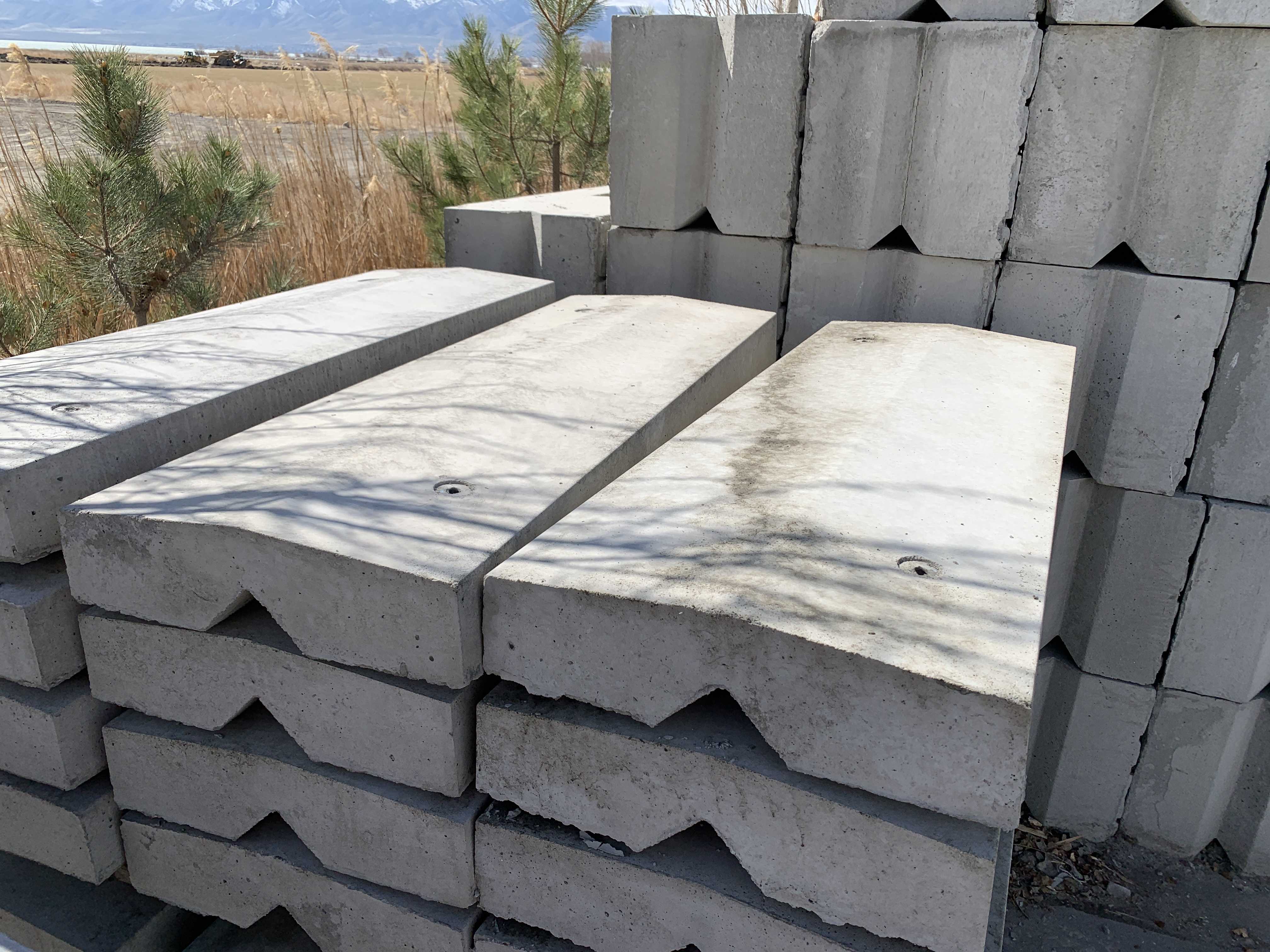
A retaining wall is only as strong as what sits behind it. Homeowners in Knoxville and across East Tennessee tend to focus on the face of the wall — the blocks they can see — but the material packed in behind those blocks does a lot of the real work. That material is called backfill, and when it comes to gravel backfill, getting it right is one of the simplest ways to help a wall drain well, stay straight, and hold up through our wet winters and heavy spring rains.
Backfill is the soil and stone that fills the space between the back of the wall and the undisturbed ground behind it. If that space is filled with whatever dirt came out of the excavation, especially the heavy red clay that is common around Knoxville, Maryville, Lenoir City, and the foothills, water tends to sit in it. Clay holds water, swells when it is wet, and pushes harder against the wall as it does. Over time that extra pressure can bow a wall forward, open up joints, and wash fine material out through the face.
Clean gravel backfill works differently. A layer of washed, angular gravel placed directly behind the blocks gives water an easy path down instead of letting it build up. Water moves through the open spaces between the stones, drops to the base of the wall, and is carried away by the drainage system at the footing. Because gravel does not swell the way clay does, it also keeps pressure on the back of the wall more steady through wet and dry cycles. That steadiness matters in East Tennessee, where a yard can go from a hard summer drought to a week of steady rain.
The gravel zone is not the whole trench. Good practice is to keep a consistent band of gravel right behind the wall, from near the footing up to close to the top, then finish the last portion with soil so grass or planting can grow at the surface. The width of that band matters — too narrow and it cannot move much water. The exact layout depends on the height of the wall and the slope above it, which is why a site visit matters before anyone starts digging.
Gravel choice matters, too. Rounded river rock can roll and shift under pressure, so it is not the best choice behind a wall. Angular, crushed stone locks together better when compacted in layers. Washed stone is preferred because dust and fines in unwashed material can clog the drainage path over time. If a contractor talks about backfilling with whatever fill dirt is on site to save time, that is worth questioning.
Compaction is the other half of the job. Backfill should go in in shallow layers and be compacted as it rises, level with the courses of block being set. Dumping a full trench of loose material behind a finished wall leaves loose pockets below. Those pockets settle later, often showing up as a dip in the yard above the wall — a low spot that collects water right where you least want it. Compacting in lifts takes a little longer, but it keeps the ground firm.
Backfill and drainage go hand in hand, so picture them as one system. The gravel gives water a path, the drain at the base gives it somewhere to go, and grading at the top should shed surface water away from the wall. A wall built with big eco blocks — roughly two feet tall, two feet deep, and four feet long — has a lot of weight working in its favor, but even a heavy block wall benefits when water is not trapped behind it season after season.
For East Tennessee yards, there are a few telltale signs that backfill or drainage behind an existing wall was not done well. Look for a wall that leans or bulges most after wet weather, soil washing out between blocks, a sunken strip of ground running along the top of the wall, or grass that stays soggy in a line right behind it. None of those automatically means a wall has to be replaced, but they are good reasons to have someone look at it before a small drainage problem becomes a structural one.
If you are planning a new wall, ask direct questions about backfill before work begins. Ask what stone will go behind the wall, how wide and how deep that gravel zone will be, whether it will be washed and angular, how it will be compacted, and how it connects to the drain at the base. A straightforward contractor should be able to answer each of those in plain language. Those answers tell you as much about how long the wall will last as the finish you pick for the face, whether that is a plain finish, a brown finish, or a top cap to finish the top course cleanly.
Planning a wall for a sloped yard, a driveway edge, or a hillside here in East Tennessee? Try our wall calculator for a block count, then call East TN Retaining Walls at (423) 358-2317 for a free estimate. We will look at your slope, soil, and drainage in person and lay out what your wall needs — including the backfill you will never see but will be glad is there.
Want to know what your wall takes? Run the wall calculator for a block count, then send your details for a free estimate — no pressure, no obligation.