Replacing a Failing Wall Without Losing the Whole Yard
A failing wall announces itself slowly, then all at once. A timber wall in a Knoxville backyard rots a little more each year, leans a little further each winter, until one spring the lean is suddenly the first thing you see from the kitchen window. Replacing it feels daunting because the wall is holding up the yard itself. The good news is that replacement is a normal, plannable job, and it does not have to mean losing the whole yard to do it.
The first step is understanding what the old wall is holding and what depends on it. Fences, sheds, steps, patios, irrigation lines, and favorite plantings may all be tied into the ground the wall supports. A careful walk-through before any digging maps what can stay, what has to move temporarily, and what was probably going to be removed anyway. Surprises are the enemy of a smooth replacement, and nearly all of them can be found in advance with a tape, a shovel, and an hour of attention.
Sequencing is the heart of the work. The old wall cannot always come out in one go, because the soil behind it is waiting for a chance to slump. Often the replacement proceeds in sections: excavate a stretch, set the new base and blocks, backfill with clean stone and drainage, then move along. That rhythm keeps the slope supported through the project and lets a yard stay partly usable, which matters when dogs, kids, and daily life still need the space.
Replacement is also your one good chance to fix why the first wall failed. Most failed walls in East Tennessee share an autopsy: no real drainage, a shallow base, backfill of pure clay, or timbers that simply rotted on schedule. Putting a new wall into the same conditions invites the same ending. The new build should include the drain, the stone, and the base work the original skipped, even though that work is invisible the day the job is done. Invisible is where longevity lives.
Your plantings deserve a plan too. Perennials near the wall can often be dug, heeled into a temporary bed or pots, and replanted against the new wall within days. Shrubs right behind the wall are harder, and an honest conversation may conclude that one or two have to go for the wall to be built right. Decide that on paper, not in the moment with a machine idling, and the yard you save will usually be most of the yard you have.
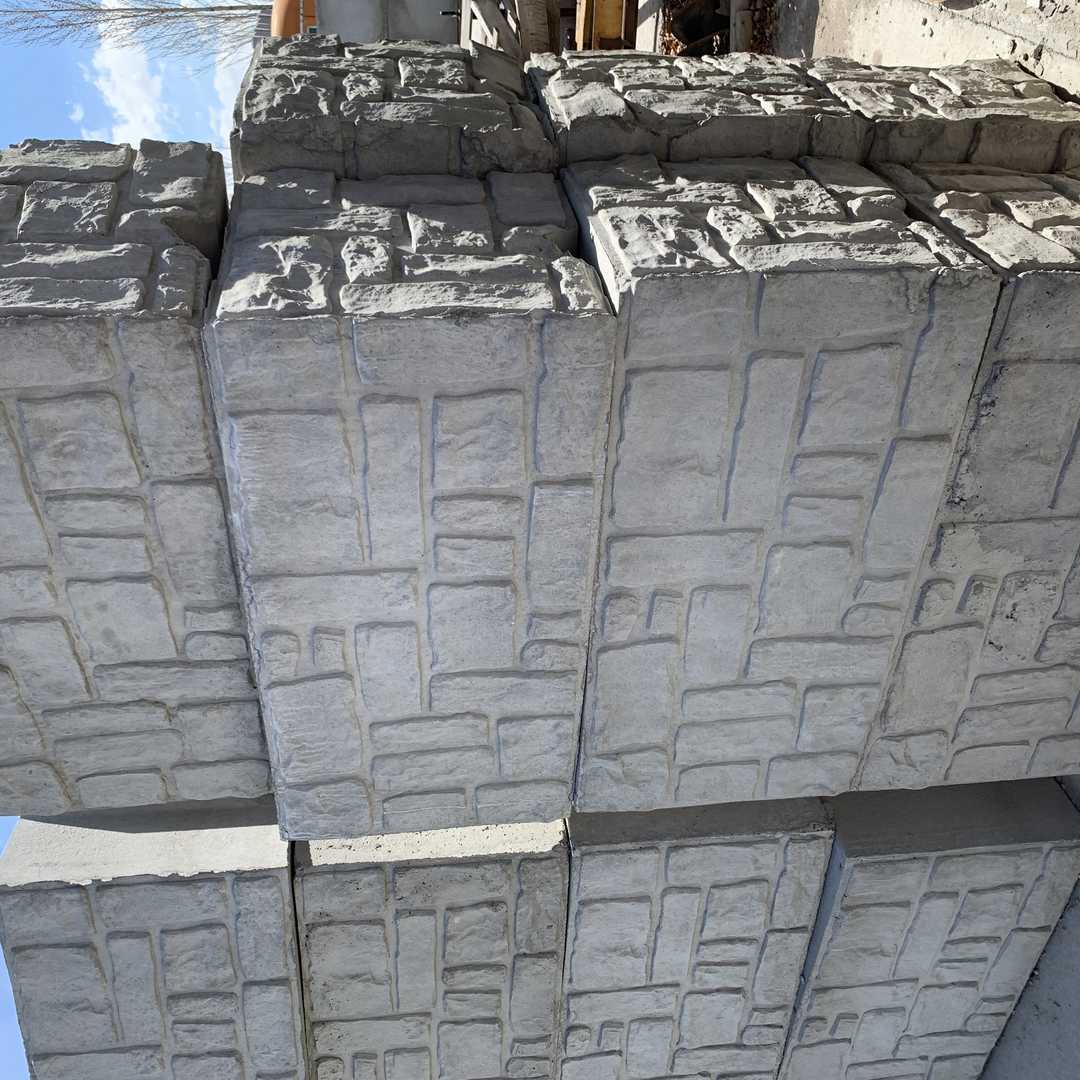
The new wall itself often transforms the space. Eco blocks, roughly two by two by four feet each, replace a rotted timber face with a clean, straight line in a plain or brown finish, usually capped for a finished top. Homeowners are often surprised that the replacement wall takes less room than the leaning, bulging one it replaced, handing back a strip of yard and a sight line they had forgotten the property ever had.
Live with a failing wall long enough and you start planning around it, avoiding the slope, worrying after storms. Replacing it returns the yard to ordinary use, which is the real product. Get an honest assessment of whether repair can buy time or whether the wall is truly done, and if it is done, take comfort that the replacement, handled in the right order, is a few days of disruption traded for decades of not thinking about it.
If you are planning a wall, try the wall calculator on the site to size up your project, or call (423) 358-2317 for a free estimate. We build eco block retaining walls across East Tennessee, and we are glad to walk a lot with you and talk through drainage, layout, and finish before any work starts.
Want to know what your wall takes? Run the wall calculator for a block count, then send your details for a free estimate — no pressure, no obligation.