Planting Above a Retaining Wall: Roots, Water, and Safe Choices
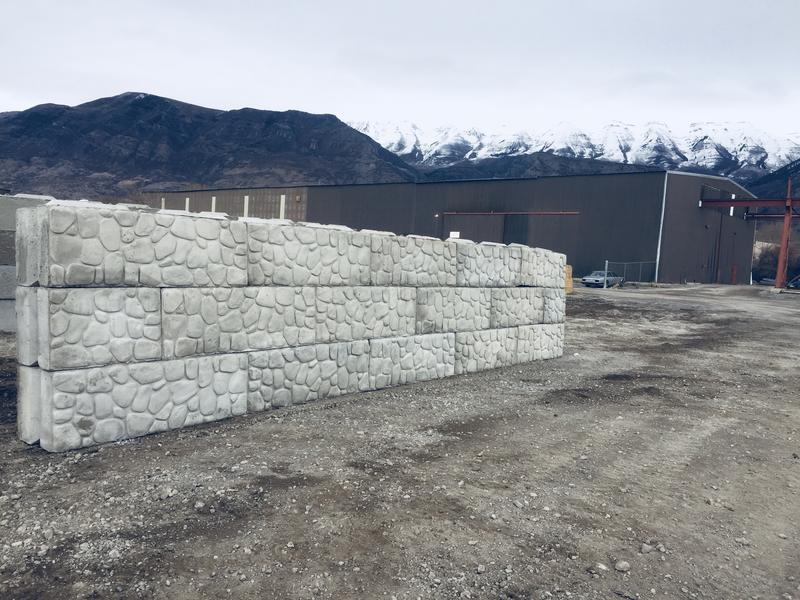
A new retaining wall can look a little stark on the day it is finished, and the fastest way homeowners soften it is by planting above it. Done well, planting is more than decoration. The right plants hold surface soil in place, intercept rain before it sheets toward the wall, and make the whole grade change feel like it belongs in the yard. Done carelessly, planting can also work against the wall, by sending roots where they do not belong, dumping extra water behind the top course, or piling soil where it changes the load the wall was built for.
Start with water, because it matters more than any plant choice. The soil right behind the top of a wall is the last place that needs extra irrigation. Spray heads that soak the bed above the wall every other day in summer are effectively adding storm after storm into the backfill, keeping the ground heavier and the drainage working overtime. If you plant above a wall, favor plants that thrive on rainfall once established, water new plantings by hand or with careful drip directed at the plants rather than the whole bed, and make sure the grade still sheds surface water away instead of ponding it along the top course.
Roots are the second consideration, and size at maturity is the key number. Small and medium shrubs, ornamental grasses, and groundcovers with modest, fibrous root systems are generally good neighbors for a wall. Their roots stabilize the surface soil without prying at joints or heaving the top course. Large shrubs and small trees planted right at the edge are riskier choices, not because roots attack a wall on purpose, but because a growing root ball needs room, displaces soil, and adds wind load and weight exactly where the wall can least use surprises. Give bigger plants real setback from the edge, and they and the wall can coexist for decades.
What you plant below and in front of the wall matters as well. Low planting at the base softens the face and keeps mower and trimmer work easy, but soil and mulch should never be piled up against the wall so high that they bury drain outlets or weep openings near the base. Those outlets need to stay visible and clear so water can leave the wall as designed. Vines that climb the face look charming in photos and can be fine, but aggressive climbers that root into joints and hold constant moisture against the blocks are worth a second thought before they get established and become a removal project.
Mulch and bed maintenance have quiet effects over the years. Beds above a wall tend to gain height slowly as fresh mulch is added each spring and old mulch turns to soil. A bed that started a few inches below the top cap can creep up over it, changing how water flows at the edge and spilling soil and mulch down the face with every hard rain. Periodically pulling the bed back to its intended level, keeping an eye on where downspouts and paths deliver water near the wall, and refreshing the grading if low spots form will keep the planting and the wall on good terms season after season.
There is a positive side to balance the cautions, because a well-planted top edge genuinely protects a wall. Roots and groundcover break the force of rain, reduce erosion of the backfill surface, and keep loose soil from washing over the face and staining it. On terraced walls, planting each tier turns a structural necessity into the prettiest part of the property. Eco block walls in plain or brown finishes, finished with a top cap, pair especially well with layered planting, since the clean top edge gives beds a defined line to work against.
If you are planning a wall and already know planting is part of the picture, say so early, because bed depth, setbacks, and watering plans are easiest to build into the finished grades from the start. Try the wall calculator on easttnretainingwalls.com for a starting estimate on the wall itself, or call (423) 358-2317 for a free estimate. We will talk through what you want to grow above and below the wall, set the finished soil levels with those plans in mind, and leave you with a wall that looks better every year as the planting fills in around it.
Want to know what your wall takes? Run the wall calculator for a block count, then send your details for a free estimate — no pressure, no obligation.