Planning a Spring Wall in January: Why the Early Birds Get the Schedule
Most people start thinking about a retaining wall in April, when the yard turns green and the slope they ignored all winter is suddenly in their face. By then, every contractor in East Tennessee is working through a list of people who had the same idea at the same time. Planning in January does not make you impatient. It makes you early, and early is where the good schedule spots, the unhurried site visits, and the clear-headed decisions live.
Winter also gives you better information than any other season. With the leaves down and the grass dormant, you can see the true shape of your slope, the low places where water gathers, and the lines where runoff has been cutting all year. A January thaw or a cold rain shows drainage patterns that summer growth hides completely. Photos taken now, with the ground bare, help an estimator understand your site faster than a dozen descriptions in May.
Use the quiet weeks to settle the questions that slow spring projects down. Walk the property line if the wall sits anywhere near one, and find your markers or paperwork while there is no rush. Decide what the level ground behind the wall is actually for, because a play area, a garden terrace, and a parking pad ask slightly different things of the design. Think about access too: which gate, which side yard, and where materials can sit without blocking your daily routine.
January planning also leaves room for the unglamorous steps. If your project needs any local approval, you have time to ask questions instead of discovering a requirement the week you hoped to start. If trees or shrubs need to come out, winter is a fine time to handle it. If the budget needs to be spread out or the project split into a first wall now and a second phase later, that conversation is far easier in January than in the middle of the spring rush.
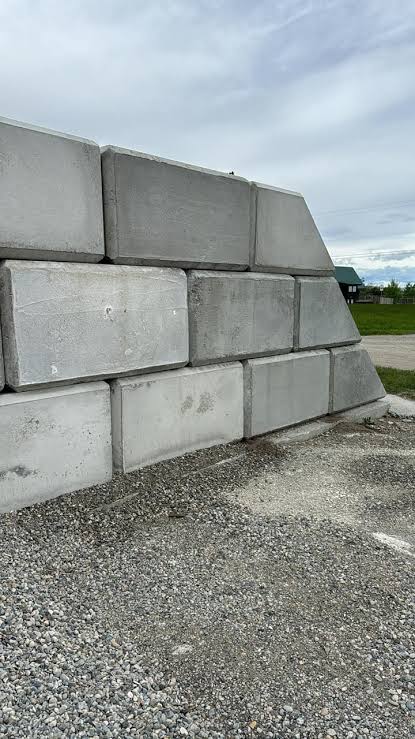
None of this means the work itself has to happen in the cold. Planning and building are different things. The site visit, the measurements, the design choices between a plain or brown finish and whether the top course gets a cap finish, and the scheduling can all be settled in winter, with the build slotted into a spring window that suits your yard. Ground conditions still get a say when the start date comes, and a good schedule accounts for wet weather instead of pretending it will not rain in East Tennessee.
There is a calmer kind of decision-making in January too. Nobody is staring at a muddy slope ruining a cookout, and nobody is trying to beat the neighbors to the last open week in May. You can compare ideas, walk the site twice, change your mind about the wall's exact line, and still be ahead of the crowd. Rushed wall decisions tend to be the ones people revisit, usually about drainage routes and where the wall should have ended.
January is also a good time to settle the small decisions that are easy to postpone and annoying to rush. Where will soil that comes off the slope go? Which plants in the work area do you want to keep, and which can go? Is there a stretch of fence that will need to come down and go back up? None of these questions is hard, and every one of them is easier answered from a warm kitchen table in January than from a muddy yard with a crew standing by in April.
If a spring wall is on your mind, this is the week to start the conversation, even if it is just measurements and photos. Try the wall calculator on the site to get an early read on the size of wall your slope needs, or call (423) 358-2317 for a free estimate. The early birds are not just getting the schedule. They are getting the time to plan the job right.
Want to know what your wall takes? Run the wall calculator for a block count, then send your details for a free estimate — no pressure, no obligation.