New Year Wall Resolutions: Five Checks for January
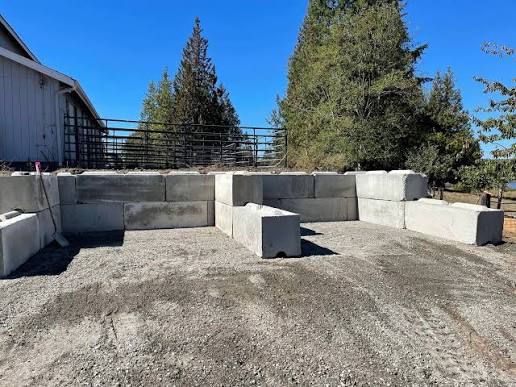
January is a wall's honest season. The leaves are down, the grass is dormant, nothing is hiding behind summer growth, and East Tennessee usually delivers enough rain and freeze to show you exactly how your retaining wall spent the holidays. It is also the month of resolutions, so here is a set worth keeping: five simple checks, none of them requiring tools fancier than a phone, a string, and thirty minutes outside. Do them in January and you start the year knowing whether your wall is quietly healthy, needs an afternoon of housekeeping, or is trying to tell you something you will be glad you heard in winter rather than in a spring storm.
First, check the outlets. Every drainage system behind a wall has to let water out somewhere, and those outlets are the wall's whole winter defense. Find each one, clear away the leaves, mulch, and silt that autumn delivered to it, and if you catch a rainy day, confirm that water actually runs. An outlet that never flows while the ground behind the wall stays soggy is a question worth answering before spring rains stack up.
Second, walk the top and fix the grade. Look for the low strip behind the wall where backfill settles, ruts where runoff crosses, and any spot where a winter's worth of water has been sitting against the top course. In January you can see the puddles' evidence even on a dry day, in mud lines and washed soil. Make a note, or better, do the small work now while the ground is workable: top up the low places, firm them down, and shape the surface so water sheds away from the wall or toward its intended path. Pay attention to downspouts too, since holiday gutter cleaning and winter winds rearrange drainage in ways nobody notices until the wall's backfill is soaked.
Third, sight down the face. Stand at one end, get your eye level with the wall, and look along it the way you would sight down a board at the lumber yard. Bulges, creeping courses, and a developing lean all show themselves in that single view far better than they do from the front. If something looks proud of its neighbors, measure it against a string line or a straight board, photograph it beside a tape, and write down the date and the number. A wall that matches those numbers in June is a wall at rest. A wall that does not is a wall on the move, and you will have caught it with a whole season of options still open.
Fourth, inspect the base and the ends. Erosion at the toe, soil scoured from the bottom course after a hard rain, and ground washed around the ends where the wall returns into the hill are all small January findings that become structural problems on a delay. Look also for animal burrows near the base, piled leaves holding moisture against the face, and snow or firewood stored against the wall, all of which work quietly against it. Ends deserve special attention after big winter rains, because water that cannot go through a wall will happily try to go around it, and the first signs are always small channels in the soil at the return.
Fifth, make the plan while the calendar is empty. If your checks turned up housekeeping, schedule it for the next workable weekend rather than the mythical free one. If they turned up movement, a dead outlet, or a wet mystery, put a professional look on the calendar now, because East Tennessee wall schedules fill fast when the weather breaks and every homeowner in Knoxville and the surrounding counties calls in the same two weeks. And if a new wall has been on your mind, for the sloped side yard, the camper pad, or the second homesite, January measurements and photos make spring estimates faster and better, because winter shows your ground without a single leaf of camouflage.
Five checks, one half hour, and a wall that starts the year known rather than assumed. If your January walk raises questions you cannot answer from the yard, try the wall calculator on the site if a new or replacement wall is part of the plan, or call (423) 358-2317 for a free estimate and a clear-eyed look at what your wall needs to make this its easiest year yet.
Want to know what your wall takes? Run the wall calculator for a block count, then send your details for a free estimate — no pressure, no obligation.