Level Ground for the Farm: Barn Pads and Farm Walls in East Tennessee
Every farm in East Tennessee seems to have the same problem: the best spot for a barn, an equipment shed, or a hay storage pad is almost level, but not quite. That last few feet of slope is enough to leave doors dragging, water pooling inside, and gravel constantly migrating downhill. Around Rogersville, Greeneville, Morristown, and the farm country in between, a retaining wall on the downhill edge of a pad is often what turns a decent spot into a working one that stays usable in every season.
Start by thinking about how the pad will actually be used. A barn for animals needs room for gates to swing, for a truck or trailer to back in, and for you to walk safely when the ground is wet. An equipment pad needs width for turning, not just parking, because a tractor with a bush hog or a loaded trailer takes more room than the machine itself. Lay the pad out a little bigger than the building footprint, including an apron on the working side. It is far easier to hold a generous pad with a wall once than to come back later and try to widen a pad that is already in use.
Water is the real design problem on a farm pad. Roofs shed a surprising amount of rain, and a barn roof aimed at the pad can flood it in one East Tennessee thunderstorm. Plan where roof water, uphill field water, and driveway runoff will go before the wall is placed. Usually that means a swale or ditch above the pad to catch hillside water, a slight slope across the pad itself so it drains without eroding, and a wall on the downhill side that is not asked to hold back a pond. A wall holds soil well. It should never be the only thing standing between your barn floor and a season of trapped groundwater.
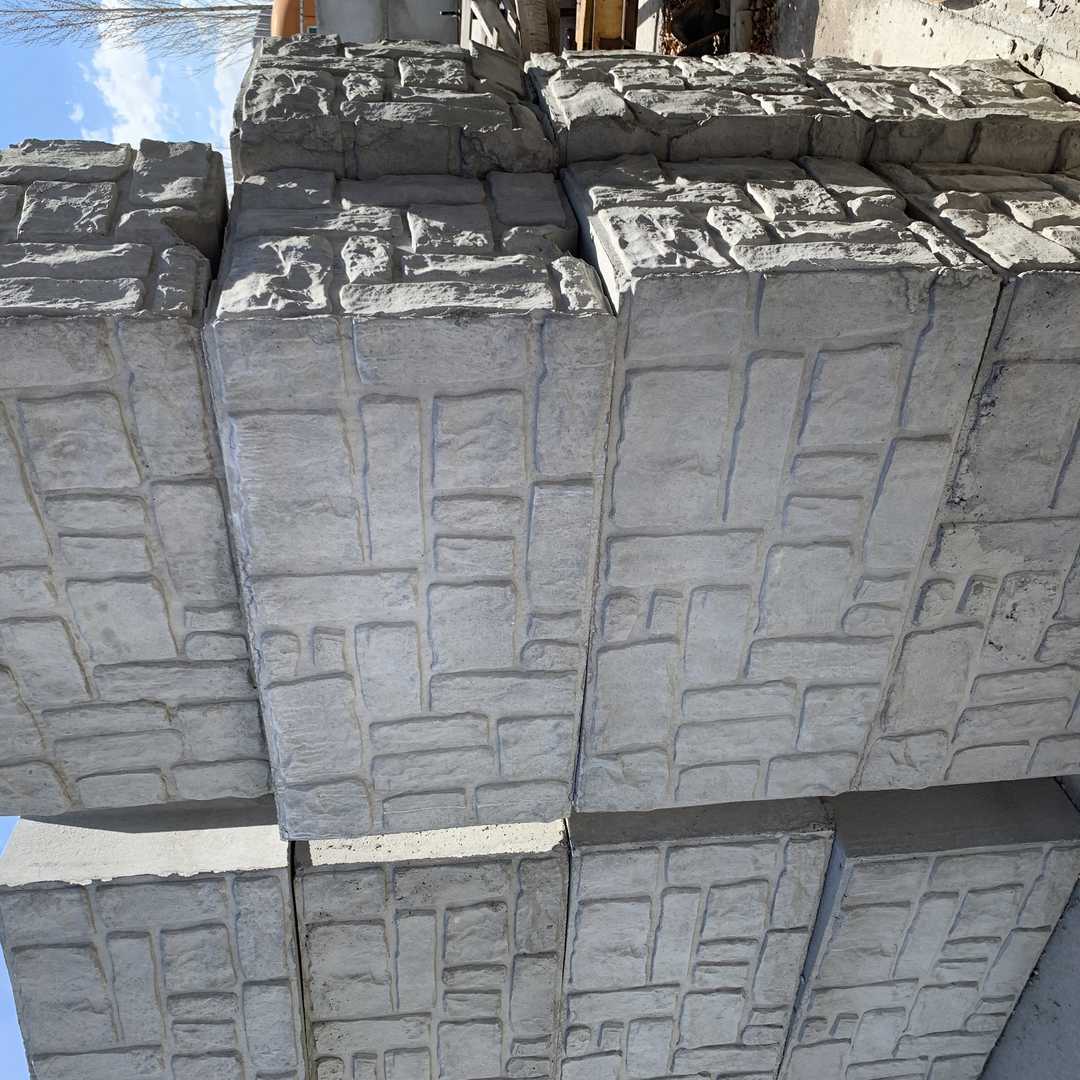
Access for delivery and setting the blocks matters too. Eco blocks are big concrete blocks, about 2 by 2 by 4 feet, and they arrive on a truck and are set with equipment. A farm pad project needs a route that equipment can travel when the ground is firm, room to stage blocks near the wall line, and a plan for what happens to the excavated soil. On many farms that soil has a second job filling a low spot, leveling a lane, or building up the pad itself behind the new wall. Using material on site keeps the project simpler and keeps trucks from hauling dirt in both directions across a soft field.
Think about the edges beyond the building. A wall that holds a barn pad often also protects a lane, a fence line, or a feeding area from washing out. Corners and ends should return into the hill so livestock, tires, and rain do not work around them. If animals will be against the wall, remember the face is stepped as courses go up, and most animals leave it alone, but gates and feeders should not be hung off the blocks. Give yourself a flat working strip along the top of the wall for fencing and walking, and keep heavy parked loads a sensible distance back from the edge.
The finish can stay simple and still look sharp. Eco blocks come in plain, brown, and top cap finishes, and a plain face suits most working farms just fine. What matters more is the gravel or soil surface on the pad, compacted in layers so it does not rut the first wet week, and a plan for keeping the drainage path open as seasons change. Leaves, hay, and bedding pack into outlets and ditches faster than most people expect, so a pad that is easy to inspect after a storm will serve you longer than one that hides its drainage where nobody can reach it.
If you have a spot picked out, walk it after a rain if you can, since wet ground tells the truth about where water wants to go. Measure the length of the downhill edge and the drop from the high side to where the pad should sit level, and take photos from all four corners. Then try the wall calculator on the site for a first idea of the wall your pad needs, or call (423) 358-2317 for a free estimate and a farm visit to talk through drainage, access, and layout in person.
Want to know what your wall takes? Run the wall calculator for a block count, then send your details for a free estimate — no pressure, no obligation.