Large Block Retaining Walls: Why Bigger Blocks Work Better in East Tennessee
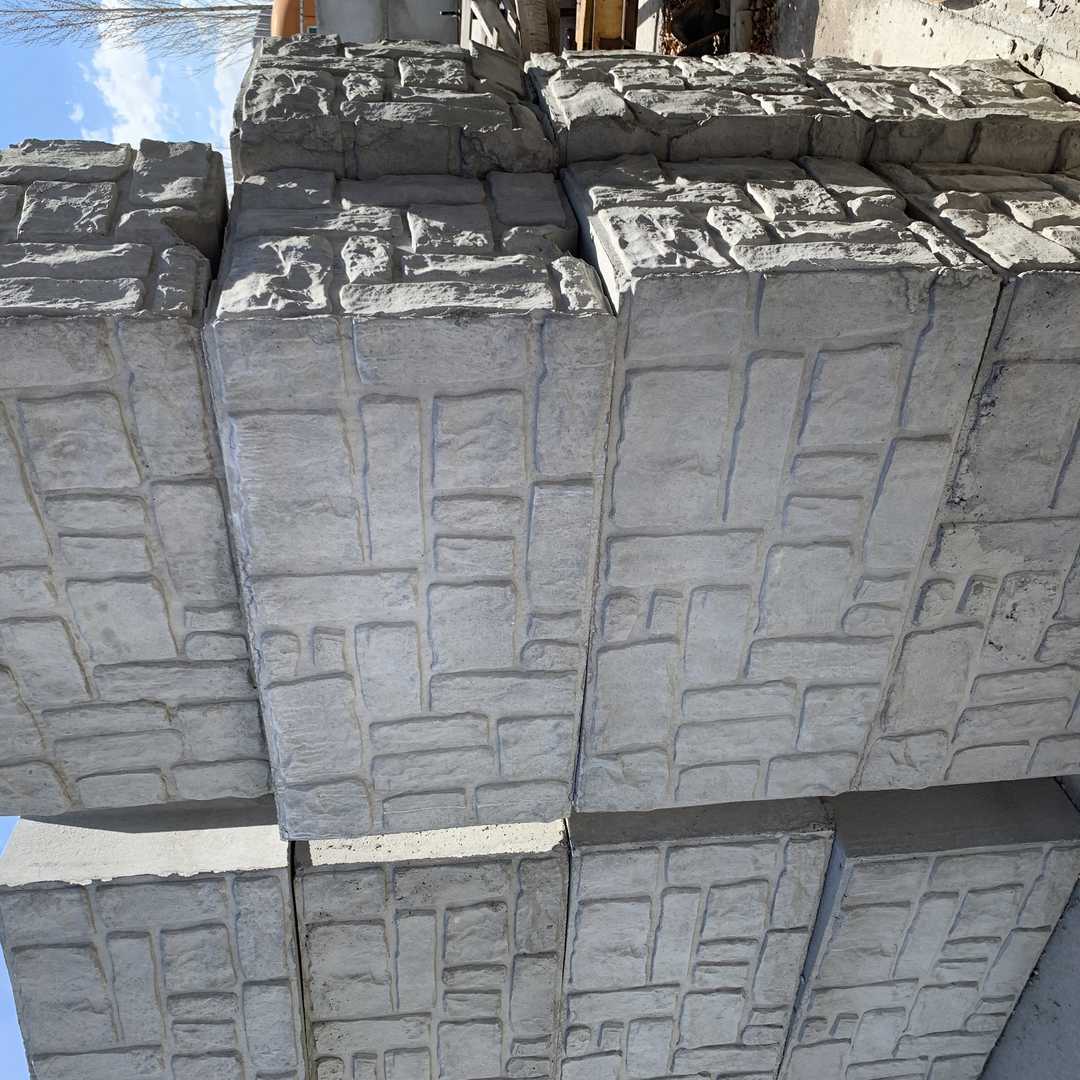
If you have driven around Knoxville or anywhere in East Tennessee and noticed a retaining wall built from blocks that look almost too big for a backyard, you have seen a large block retaining wall. These are not the small decorative blocks stacked at a garden center. Large blocks, like the eco blocks we install, are solid concrete units roughly two feet tall, two feet deep, and four feet long. That size changes everything about how a wall performs, how fast it goes in, and how long it holds up on our hills and clay soil.
The first advantage is simple weight. A retaining wall has one job: hold back soil that wants to move downhill, especially when it is wet. In East Tennessee, that pressure is serious. Our red clay holds water, gets heavy, and pushes hard after a storm. A small block relies mostly on pins, lips, and careful stacking to stay put. A large block brings its own mass to the job. Each unit is heavy enough that gravity works in your favor from the start, and when the courses are set on a proper compacted base with drainage behind them, the wall resists sliding and tipping in a way lighter systems struggle to match.
That mass also means fewer pieces and fewer joints. A wall built from hundreds of small blocks has hundreds of seams where water, roots, and shifting soil can start to work things loose. A large block wall covers the same length and height with far fewer units, so there are fewer joints to line up and fewer places for trouble to begin. It does not make the wall maintenance-free, but it does give you a simpler, sturdier structure that tends to age more gracefully in Knoxville weather, from summer downpours to winter freeze and thaw.
Speed is the benefit homeowners notice first once work starts. Because each block covers so much wall at once, a typical residential wall goes up far faster than a small-block wall of the same size. That matters if you are trying to get a driveway usable again, or building on a new homesite in Farragut, Maryville, or Lenoir City and need the grade set before the next phase can move.
Large blocks are a particularly good fit for sloped yards and hillside lots. Many homes around Knoxville, Oak Ridge, and the foothills toward Sevierville sit on ground that was cut into a hill or filled to make a flat pad. Those transitions are exactly where soil wants to creep and where a weak wall shows it first by leaning or bulging. A large block wall, properly based and drained, handles taller single walls and steeper retained grades with more confidence. For very tall or complex slopes an engineer may still be needed, and local permit rules can apply depending on height and location, but for most residential jobs the big-block approach covers a wider range of yards without needing a complicated engineered system.
There is also a look to consider, and it is more flexible than people expect. Eco blocks come in three finishes: plain concrete for a clean, utilitarian look that suits driveways, shops, and farm or commercial sites; brown, which softens the appearance and blends better with East Tennessee soil and landscaping; and a top cap finish that gives the top course a finished edge for walls that border a patio, lawn, or front yard. On a larger property, that substantial proportion often looks more at home than a busy pattern of small blocks.
Drainage still decides whether any wall lasts, large or small. Behind every wall we build there needs to be clean gravel backfill and a way for water to escape instead of building pressure against the back of the blocks. Large blocks do not excuse skipping that step — they reward doing it right. With proper drainage, the weight and simplicity of the system work together, and the wall can handle East Tennessee stormwater season after season. Without it, even the heaviest block will eventually be pushed by saturated clay. When you compare builders, ask specifically how they handle the base, the backfill, and the drain outlet. The answers tell you more than the block itself.
So when does a large block wall make the most sense? When you have a real grade to hold back rather than a short decorative edge, when your soil is heavy clay, when you want the job done in days instead of drawn out, and when you want a wall you are unlikely to think about again for a long time. Garden borders and low decorative seating walls can still be fine in smaller materials. But for driveways, hillsides, new construction pads, and yards that drop off more than a couple of feet, large blocks are built for the job.
If you are not sure how many blocks your project needs, try the wall calculator on our site — it will estimate a block count from your wall length and height. Then call East TN Retaining Walls at (423) 358-2317 for a free estimate. We will look at your slope, soil, and drainage in person and tell you plainly whether a large block wall is the right fit for your Knoxville or East Tennessee property.
Want to know what your wall takes? Run the wall calculator for a block count, then send your details for a free estimate — no pressure, no obligation.