January Thaw Watch: What a Mid-Winter Melt Reveals About Your Drainage
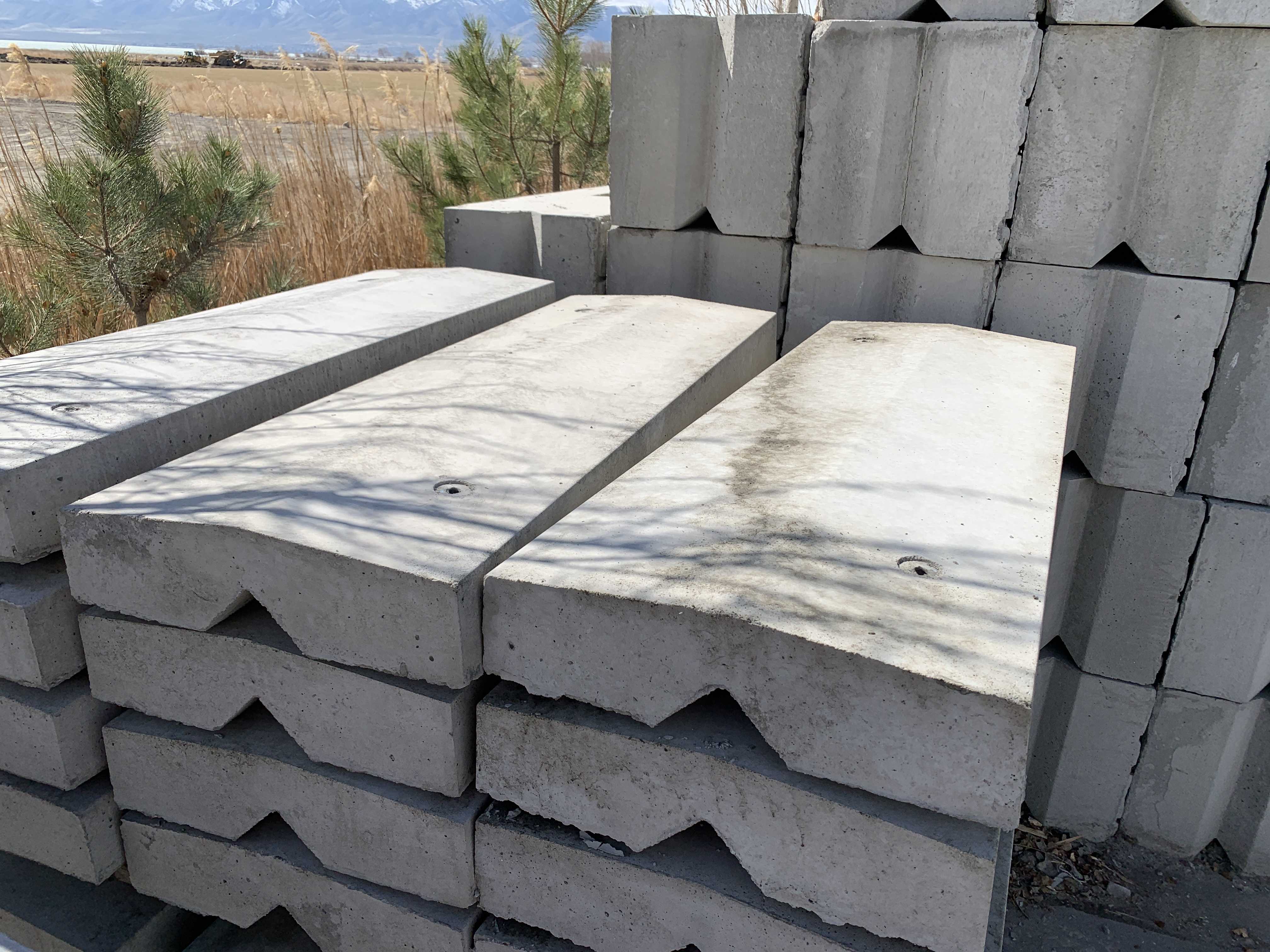
East Tennessee winters rarely stay cold for long. We get a hard freeze, a little snow or ice, and then a warm stretch in late December or January that melts everything in a day or two. That thaw is worth paying attention to if you have a retaining wall, or if you are thinking about building one. Water that moves slowly through frozen ground in winter tells you a plain story about drainage the rest of the year, when summer storms move a lot more water in a lot less time.
Start by walking the wall while the melt is still happening, not after everything dries out. Look for water seeping through the face, running in a dark line along the base, or pooling in a low spot behind the top course. Note where the water is coming from. Is it sheeting off a driveway, dripping from a gutter downspout, or welling up from the slope itself? Each source calls for a different fix, and guessing wrong usually means the wet spot just moves somewhere else.
Pay close attention to the ground right behind the wall. If it stays spongy long after the surface elsewhere has firmed up, water is sitting in the backfill instead of draining through it. Good wall drainage gives that water a clear path down and out, away from the blocks. When that path is clogged, missing, or pointed the wrong way, the soil holds the water, gets heavier, and pushes harder against the wall. That added pressure is quiet in January, but it adds up season after season.
Also watch the ends of the wall. A lot of drainage trouble shows up where a wall stops and the slope takes over again. Meltwater may cut a small channel around the end, carry mulch or gravel with it, and start a little gully that grows with each rain. Catching that pattern during a thaw is easier than spotting it in July, when grass and weeds hide the bare dirt. A small change in grading or an extended drain outlet can stop a channel before it undercuts anything.
Take photos while the water is moving. A phone picture of a seep, a puddle, or a muddy line on the blocks is more useful than trying to describe it from memory a month later. Walk the yard above the wall too, and photograph where runoff gathers before it reaches the slope. Those pictures help when you talk to an estimator, because they show conditions at their worst instead of on a dry, pleasant day when everything looks fine.
Do not panic over every damp spot. Concrete blocks will look darker when they are wet, and a brief trickle during a heavy melt does not by itself mean a wall is failing. The warning signs worth acting on are standing water that does not leave, soil washing out from joints or from under the base, new leaning or bulging, and cracks that keep growing. If you see soil coming through, that is a sign the drainage and the soil separation behind the wall need a closer look.
If the thaw shows you a problem, or a slope you now know needs a wall before spring rains arrive, start with measurements while the evidence is fresh. Try the wall calculator on the site to get a rough sense of the size of wall your slope calls for, or call (423) 358-2317 for a free estimate. A January walk in muddy boots is not much fun, but it is one of the most honest inspections your yard will ever give you.
Want to know what your wall takes? Run the wall calculator for a block count, then send your details for a free estimate — no pressure, no obligation.