How a Retaining Wall Ends: Returns, Steps, and Clean Edges
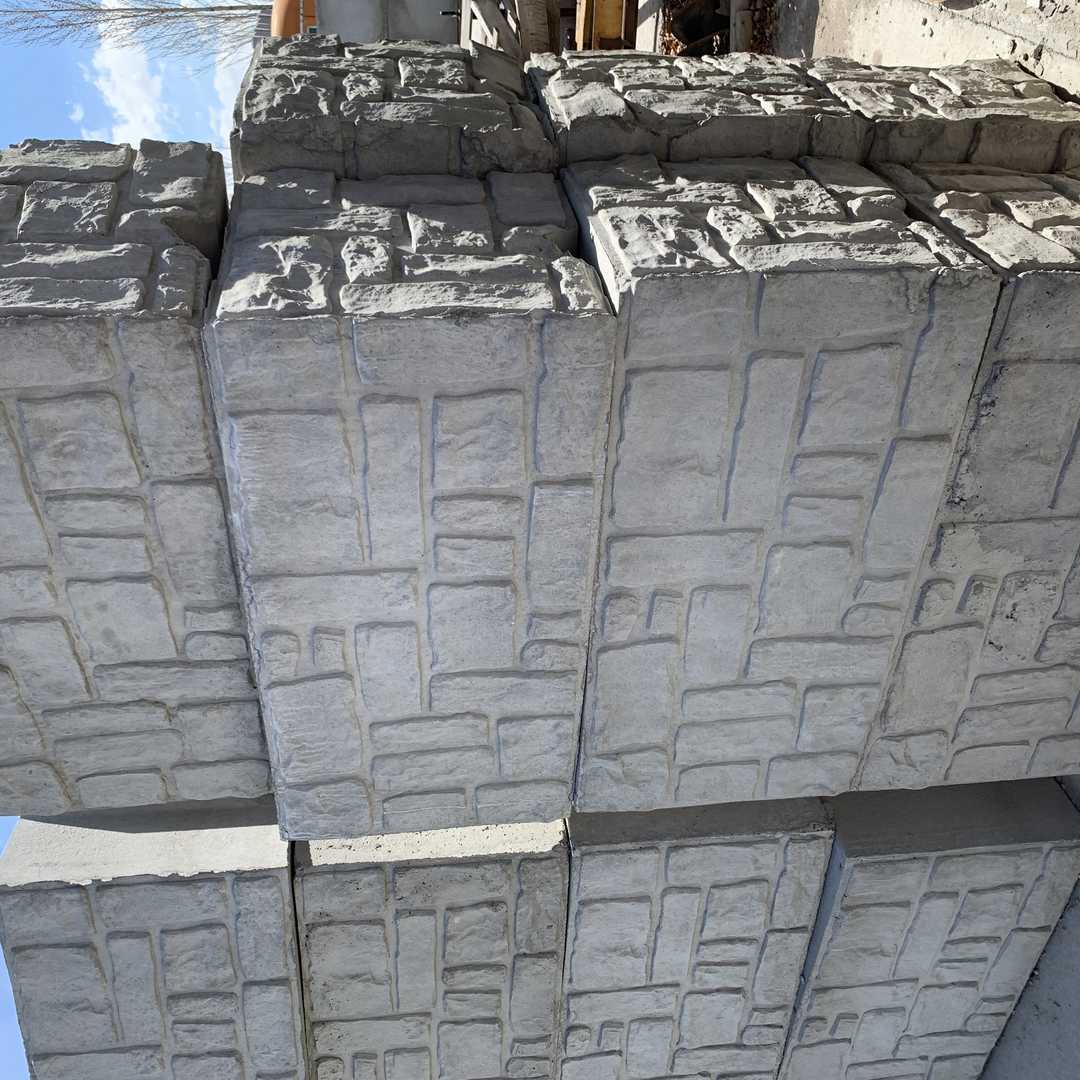
Most people picture the long, straight run of a retaining wall, but the part neighbors notice first is often how the wall ends. A wall that just stops in open ground looks unfinished, and it can leave loose soil exposed at the edge where rain works its way in. A wall that is planned at the ends looks like it belongs on the lot. Around Knoxville and across East Tennessee, where very few yards are truly flat, the ends are also where the grade changes the most, so they deserve the same attention as the middle.
The most common finish is a return, where the wall turns back into the hill for a short run. Instead of ending against air, those last blocks angle or step back into the slope until the ground itself takes over holding the soil. A good return buries the end of the wall in undisturbed ground, which protects it from washouts and gives the whole run a solid, anchored look. Returns work especially well on side yards in places like Fountain City, Halls, and Powell, where the lot falls away toward a neighbor and you want the wall to disappear cleanly into the existing grade.
Another common finish is the step-down. When the ground along the wall is not level, and it rarely is in East Tennessee, the top of the wall can step down in block-height increments as the grade falls. Each step follows the slope instead of fighting it, so you are not burying extra blocks at the low end or leaving a tall, exposed face at the high end. Step-downs look natural on long driveway walls and on backyard walls that run from a high corner near the house down toward a flatter area by a fence, a garden, or a play space.
Some walls end with a buried taper, where the last few blocks are set progressively deeper until the wall simply meets the ground. That approach suits gentle slopes around a patio, a pool pad, or a parking area, where a hard return would look too abrupt. The key is that the soil above that buried end needs to be graded so water sheds away from the wall, not toward the joint where the blocks meet open ground. In our red clay, a poorly graded end can become a little channel every hard rain, slowly cutting a gully right where the wall was supposed to stop erosion in the first place.
Ends near driveways, property lines, and walkways need a little extra thought. You want enough room for a mower to pass without banging the face, enough clearance so a car door or a trailer does not catch a corner, and a clear understanding of where your land stops. A finished end with a top cap course reads as intentional from the road, which matters on rural lots around Rogersville and Greeneville where the wall is part of what people see from the driveway entrance. If a fence or gate will meet the wall, plan that meeting point before the blocks are set, not after.
Drainage matters at the ends just as much as in the middle. Water that collects behind a wall looks for the easiest way out, and an unprotected end can become that escape route, carrying backfill with it. A solid return into the hill, compacted backfill at the last few blocks, and surface grading that moves roof and yard water away all help the end hold for the long term. This is especially true on lots where a downspout, a driveway, or a swale already sends water toward one corner of the yard during a heavy East Tennessee thunderstorm.
When you are sketching a wall for your own place, walk the line and stand at both ends before you measure the middle. Ask how high the wall needs to be at each end, whether it should return into the hill, step down with the grade, or bury out, and what will sit next to it when it is done. Take a few photos from the road and from the house, since a good end looks right from both directions. Then try the wall calculator on the site to get a rough size for your project, or call (423) 358-2317 for a free estimate and a look at your ends in person.
Want to know what your wall takes? Run the wall calculator for a block count, then send your details for a free estimate — no pressure, no obligation.