Holiday Lights on a Retaining Wall: Clips, Timers, and No Drilling
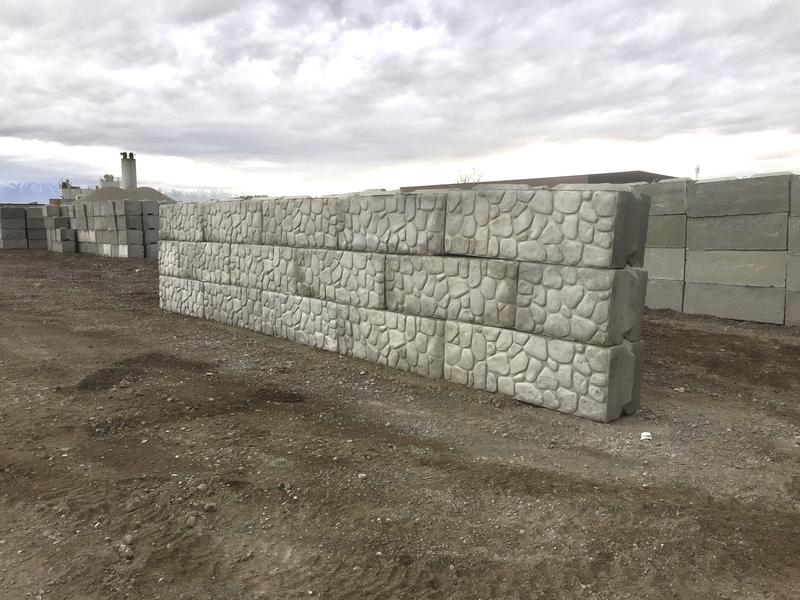
A retaining wall is a natural stage for holiday lights. It is a long, clean line at exactly the height where lights read well from the road, it often runs right where a Knoxville or Rogersville home meets its yard, and the top cap course gives you a tidy edge to follow. The trick is hanging everything in a way that comes down as cleanly as it went up, without holes in the blocks, without cords lying in drainage paths, and without turning a December decoration into a January repair. The good news is that the no-drill approach is also the easiest approach, once you know which clips and habits do the work.
Start with the golden rule: do not drill, screw, or anchor into the blocks. Every hole in a concrete face is a doorway for water, and water that gets into concrete and freezes in an East Tennessee cold snap expands and spalls the surface around the hole. One season of cheer is not worth a permanent scar and a weak spot in the face. Adhesive hooks are not much better outdoors, since they tend to let go in cold rain and leave residue behind. Mechanical clips that grip the top cap edge, the lip of a block, or a strand run along the wall solve the problem with grip instead of damage, and they store in a coffee can for next year.
Plan the layout from the outlet outward. Know which exterior outlet will feed the display, whether it is protected by a ground-fault circuit, and how the cord reaches the wall without crossing a walkway where it becomes a trip line or a driveway where tires will chew it. Timers are the quiet heroes of outdoor decorating: set the lights to come on at dusk and shut off at a reasonable hour, and you save power, spare the neighbors an all-night glow, and never stand in a cold yard at midnight unplugging a cord. Smart plugs do the same job and let you adjust the schedule from the couch when the season's plans change.
Along the wall itself, think in gentle lines. A strand clipped at even intervals along the top cap reads as intentional, while random sags read as an accident. Keep clips and cords clear of weep openings and drainage outlets at the base, because a wall still has its day job in December, and a cord wadded into an outlet during a holiday rain is working against your own drainage. Icicle-style strands work nicely on taller faces, while a single straight run suits a low wall best. If the wall steps down or returns into a hill, let the lights follow those lines, since the shape of the wall is half the charm of the display anyway.
Be sensible about ladders and heights. Most retaining wall displays can be hung entirely from the ground, which is one of their great virtues in a season of icy steps and early darkness. If your wall is tall on the downhill side, hang from the top side where the ground is high rather than leaning over the face. Use outdoor-rated extension cords and lights, keep connections off the wet ground where you can, and never run a cord through a gate's swing or under a door that will pinch it for a month straight.
When the season ends, take the lights down on a dry day and let everything dry fully before it goes into storage. Coil cords loosely, bag the clips with the strands they held, and take thirty seconds to look at what the display was hiding: the top cap line, the base, and the outlets. Winter takedown doubles as your wall's cold-season inspection, and anything you spot, from a blocked outlet to a low spot behind the top course, is easier to note in January than to discover in a March storm. Then the wall goes back to its quiet work, undecorated and undamaged, until next December rolls around.
A wall lit for the holidays does not need a single hole in it to look generous and bright. Clips, a timer, outdoor-rated gear, and drainage kept clear will carry the whole display. If the season's decorating has you looking at your wall and thinking bigger thoughts about repairing, extending, or finally building one, try the wall calculator on the site, or call (423) 358-2317 for a free estimate once the lights come down and the planning season begins.
Want to know what your wall takes? Run the wall calculator for a block count, then send your details for a free estimate — no pressure, no obligation.