Gravel, Fabric, and Stone: The Layers Behind the Blocks
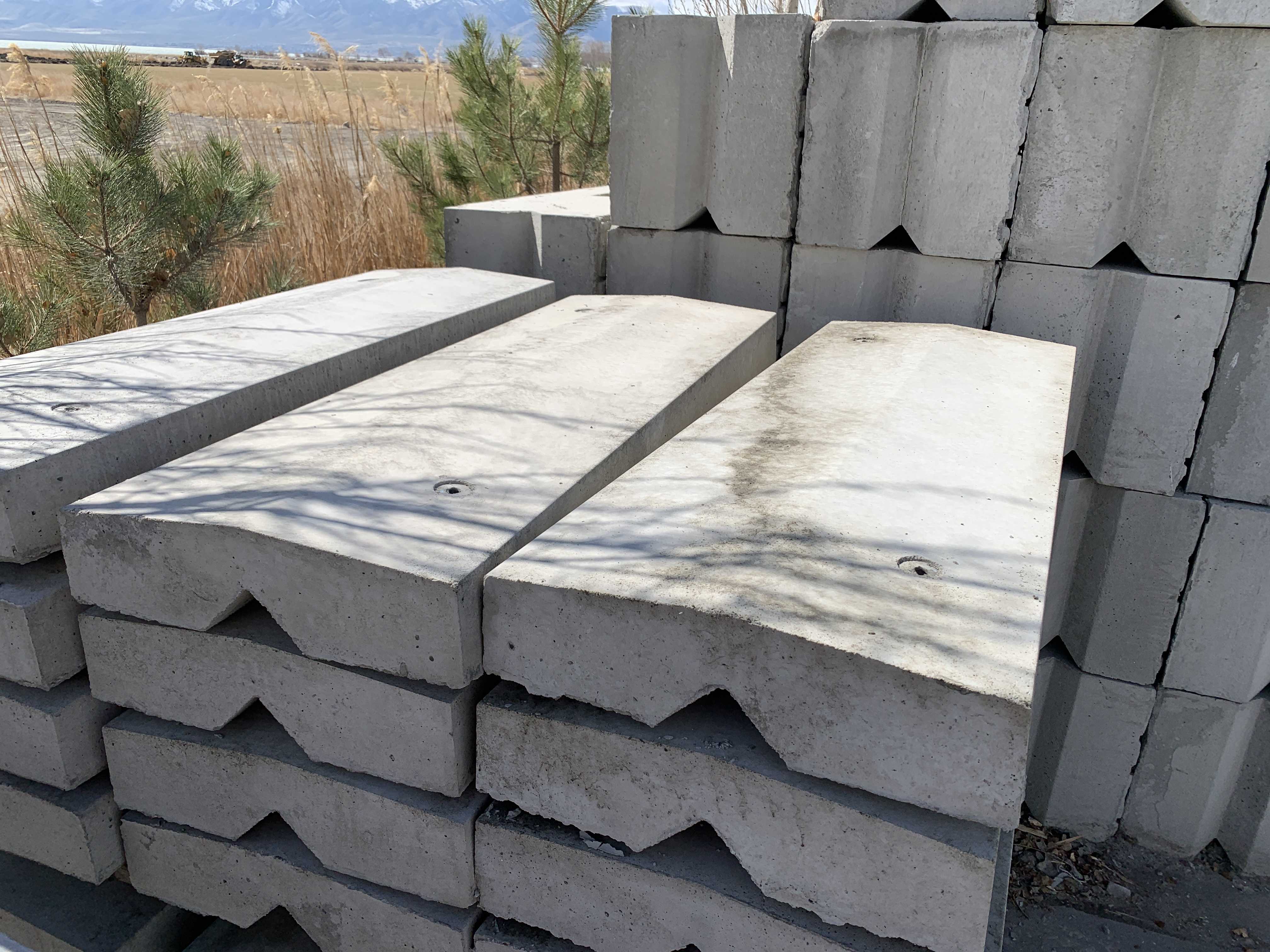
From the front, a retaining wall is all blocks. From behind, where nobody looks after construction day, it is a layered system, and those layers are the actual engineering most homeowners are paying for. Gravel, filter fabric, drainage stone, and compacted backfill each do a specific job, in a specific order, and understanding the stack explains both how a wall survives East Tennessee weather and why two walls that look alike from the street can age completely differently.
Start against the blocks. Directly behind the wall goes a zone of clean drainage stone, angular, washed rock with open space between the pieces. Water moving through the soil behind the wall reaches this stone and falls freely down to the drain pipe at the base instead of pressing against the blocks. Clean is the operative word. Stone contaminated with dirt or fine dust loses its open structure, and with it the whole point, so the material that arrives on the truck matters, not just the amount that gets dumped in the trench.
The filter fabric is the quiet guardian between that clean stone and the native soil. East Tennessee clay is full of fine particles that migrate with water, grain by grain, into any open stone they touch. Given a few wet seasons, clay fines can choke drainage stone from the outside in, until the drain zone holds water instead of moving it. Fabric wrapped or placed to separate soil from stone stops that migration while still letting water pass, the way a coffee filter holds grounds and passes coffee. Skipping it saves an afternoon and can cost a drainage system its life.
The drain pipe at the bottom of the stone zone is the exit the whole system feeds. Perforated pipe, bedded in the stone with a steady slope to its outlet, collects what the stone delivers and carries it away from the wall entirely. Stone without a pipe is a bathtub with gravel in it. Pipe without stone around it clogs and starves. The layers are a team, and this pairing at the base of the wall is where the team's work either leaves the site or stays to cause trouble.
Beyond the stone zone comes the structural backfill, placed in thin layers and compacted as the wall rises. This is the ground the wall is ultimately holding, and building it in controlled lifts, rather than pushing the excavated clay back in loose, prevents the settling trench, the cracked patio edge, and the ponding shoulder that plague rushed jobs. Excavated red clay may be reused farther back where appropriate, but the zone near the wall belongs to materials chosen for drainage and compaction, not to whatever came out of the hole.
Underneath everything sits the base the first course of blocks rests on, compacted stone or an appropriate footing that spreads the load and starts the wall level and true. Eco blocks are large, roughly two feet tall, two deep, and four long, and a base that is off by a little announces itself in every course above it. The layers, base, drain, stone, fabric, backfill, cap, read like a recipe because they are one, and a wall is simply what happens when the recipe is followed in order on a given hillside.
When you talk with any builder, ask them to describe their layers. The answer should come easily and in order, because a crew that builds this system every week can narrate it like a grocery list. That narration, more than any photo of a finished face, tells you what will be standing behind your blocks in twenty years, still draining, still tight, still boring in the best way a wall can be.
If you are planning a wall, try the wall calculator on the site to size up your project, or call (423) 358-2317 for a free estimate. We build eco block retaining walls across East Tennessee, and we are glad to walk a lot with you and talk through drainage, layout, and finish before any work starts.
Want to know what your wall takes? Run the wall calculator for a block count, then send your details for a free estimate — no pressure, no obligation.