Garden Terraces: Raised Beds Built From Eco Blocks
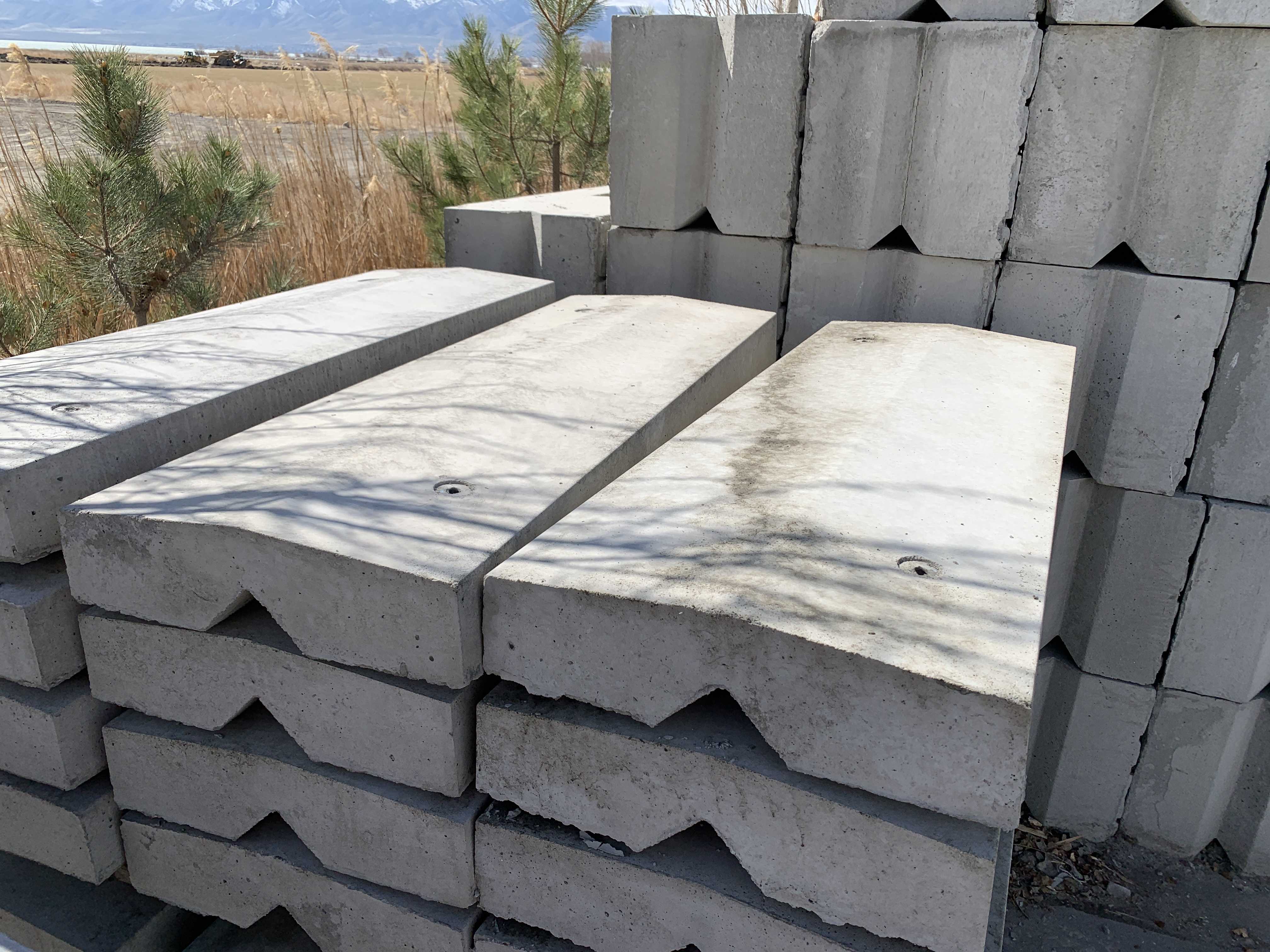
Every gardener on an East Tennessee hillside knows the frustration. The sun is perfect, the soil is willing, and the ground itself is at an angle that makes a wheelbarrow a hazard and a tomato row a slow slide toward the fence. Garden terraces solve the geometry. A series of low eco block walls steps the slope into level beds, and suddenly the hillside that fought you becomes the best-organized garden on the street.
Eco blocks bring a useful scale to terraces. Each block is roughly two feet tall, two feet deep, and four feet long, so one course makes a bed at a comfortable working height for many gardeners, and two stepped levels can tame a serious slope while keeping every bed reachable from its path. You garden standing on a level walkway instead of bracing on a hillside, which your knees will have opinions about by your second season of real use.
Soil is where terraced beds quietly outperform a flat garden. You fill each level bed with the mix your plants actually want instead of negotiating with whatever the hillside offers, and East Tennessee gardeners negotiating with pure red clay will feel that sentence in their shoulders. Raised beds also warm earlier in spring, drain predictably after our heavy rains instead of drowning roots, and can be amended bed by bed, so the squash gets fed without wasting effort on the path gravel.
Drainage still matters, even for a garden. A terrace wall holds back soil that gets watered all summer, and that water needs a path out through drainage stone and a pipe, exactly as it does behind any retaining wall. The reward for doing it right is a bed that never becomes a bathtub. Plan the water at the same time as the beds, and think about where a hose or drip line will run, because carrying water uphill to a terrace is a chore that design can mostly eliminate.
Layout rewards a few minutes with a tape and stakes. Face beds to the sun your lot actually gets, remembering that a wall face can shade a low bed early or late in the day. Make paths wide enough for a wheelbarrow and a kneeling gardener at the same time. Leave one bed near the kitchen door for herbs and salad greens, because the bed you pass daily gets picked daily, and put the sprawling crops, squash, melons, pumpkins, on the lowest, widest terrace where they can run without invading the paths.
The finishes let a garden terrace look like it belongs. The brown finish nearly disappears behind plantings and suits a natural, wooded Knoxville lot, while plain concrete reads crisp and modern against gravel paths. A top cap course gives you something gardeners end up loving more than they expect: a flat, sturdy edge to sit on while weeding, set a coffee on while surveying, or rest a harvest basket on in August, when the baskets get heavy and the gardener gets particular.
Start with the terrace your slope needs most, the one that turns the worst ground into your first four beds, and you can extend the system in later seasons as the garden earns it. A hillside built into terraces stops being the yard's problem area and becomes the part visitors ask about, which is a fair reward for building level ground where nature declined to provide it.
If you are planning a wall, try the wall calculator on the site to size up your project, or call (423) 358-2317 for a free estimate. We build eco block retaining walls across East Tennessee, and we are glad to walk a lot with you and talk through drainage, layout, and finish before any work starts.
Want to know what your wall takes? Run the wall calculator for a block count, then send your details for a free estimate — no pressure, no obligation.