Frost Heave and Freeze-Thaw: What Winter Does to East Tennessee Walls
East Tennessee does not have the deep, steady freeze of the far north, and that is exactly why freeze-thaw deserves respect here. In a climate where the ground freezes solid and stays frozen, a wall experiences one long event each winter. Around Knoxville, temperatures swing across the freezing line again and again from late fall into early spring. Water in the soil freezes and expands, thaws and settles, then freezes and expands again, sometimes in the same week. That repeated cycle, called frost heave when it lifts the ground, is patient, powerful, and hard on anything shallow, wet, or poorly drained.
The mechanics are simple once you picture them. Soil with water in it expands as that water turns to ice, because ice takes up more room than the water it came from. The expansion pushes in the easiest direction, which is usually up at the surface and out against anything the soil is leaning on, including the back of a retaining wall and the ground under its base. When the thaw comes, the soil settles back, but rarely to exactly where it started. Fine soil and water migrate into the gaps, the next freeze pushes from a slightly new position, and over a winter of cycles a wall can be ratcheted forward or lifted in small increments nobody notices until spring.
Water is the ingredient that makes frost heave dangerous, which is why drainage is a winter topic, not just a rainy season one. Dry or well-drained soil has little water available to freeze and expand. Saturated red clay behind a wall, on the other hand, is loaded for the cycle. This is the hidden connection between a wall that drains well in October and a wall that is still straight in March. Gravel backfill and a working drain pipe lower the water content right behind and under the wall, where expansion does the most damage, and a buried base course sits below the zone where the worst of the surface heaving happens.
Certain trouble spots show the pattern clearly. Walls with shallow bases can develop a seasonal lean that worsens each winter, because the base is being worked like a loose tooth. Top caps are common victims too, since water enters joints at the exposed top edge and freezes, gradually walking caps out of alignment. Low areas where water ponds at the top of a wall before a cold snap are worth fixing before winter rather than after it.
Your spring walk of the wall is therefore one of the most useful habits you can build. After the last hard freezes, look along the top course for caps that have shifted, joints that opened over the winter, and any new step between sections that was not there in the fall. Check the ground above the wall for fresh heaving, cracking, or settled spots where frozen soil rearranged itself. Look at drain outlets and make sure winter debris, ice damage, or displaced soil has not blocked them just before the spring rains arrive to test them. Dated photos from the same viewpoints each spring make slow winter change obvious.
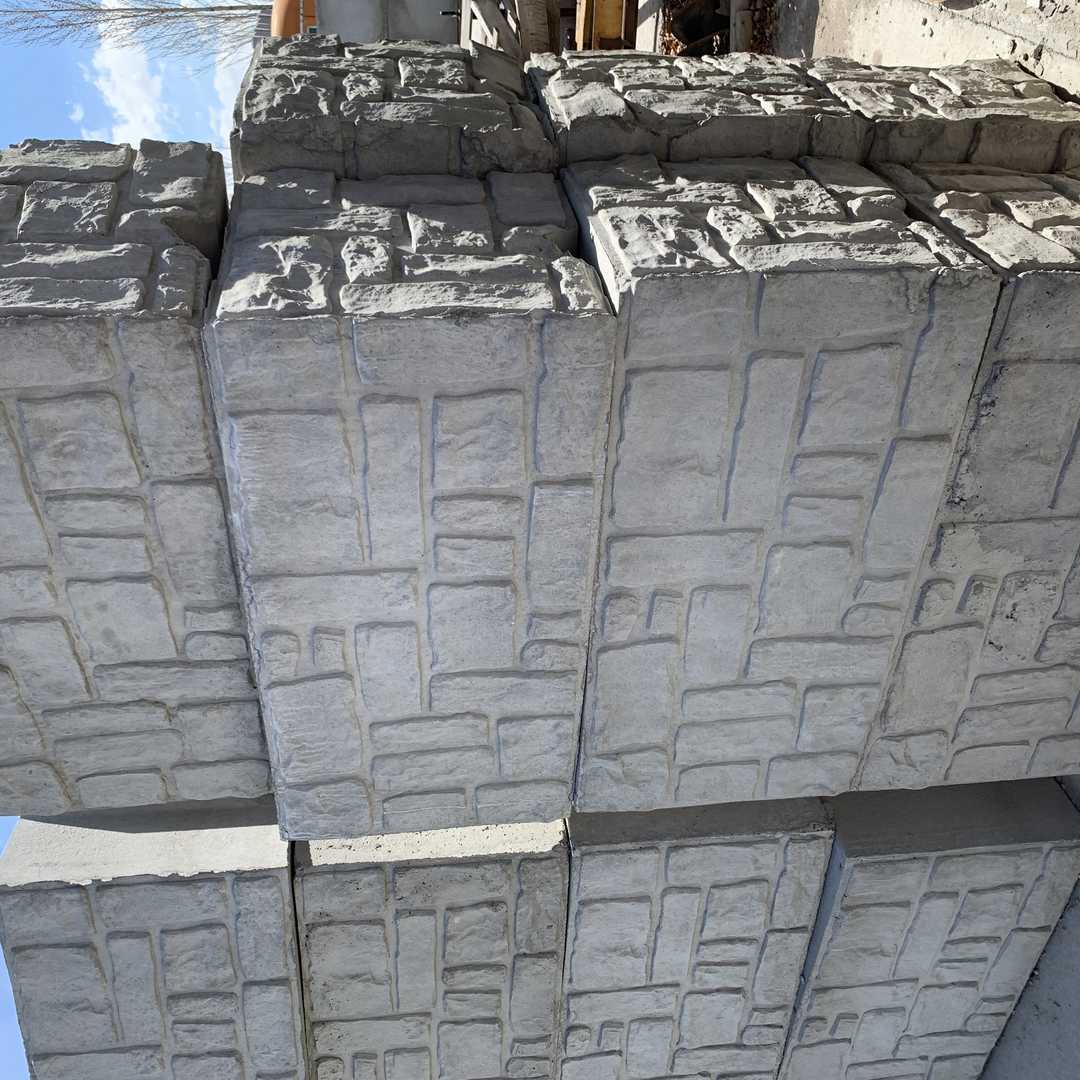
There are sensible limits to what maintenance can do. Keeping water away from the wall, clearing outlets, regrading ponding spots, and resetting a shifted cap early are all worthwhile. But a wall that heaves noticeably every winter is usually telling you its base is too shallow or its drainage was never adequate, and surface fixes will keep losing to the same cycle. That is a conversation to have in spring or summer, when the ground is workable and a proper fix to the base or drainage can be built before the next round of freezing. Eco block walls, with each block roughly two feet tall, two feet deep, and four feet long on a buried, drained base, are built with this cycle in mind.
If winter has left your wall with new movement, shifted caps, or opening joints, take photos while the evidence is fresh and note where water collects near the wall. Call (423) 358-2317 for a free estimate and an honest assessment of whether it is maintenance or a deeper fix. If you are planning a new wall, try the wall calculator on easttnretainingwalls.com for a starting estimate, and know that the base depth and drainage decisions made on build day are what your wall will rely on every freezing night for decades.
Want to know what your wall takes? Run the wall calculator for a block count, then send your details for a free estimate — no pressure, no obligation.