From Truck to Wall Line: How Eco Blocks Are Delivered and Set
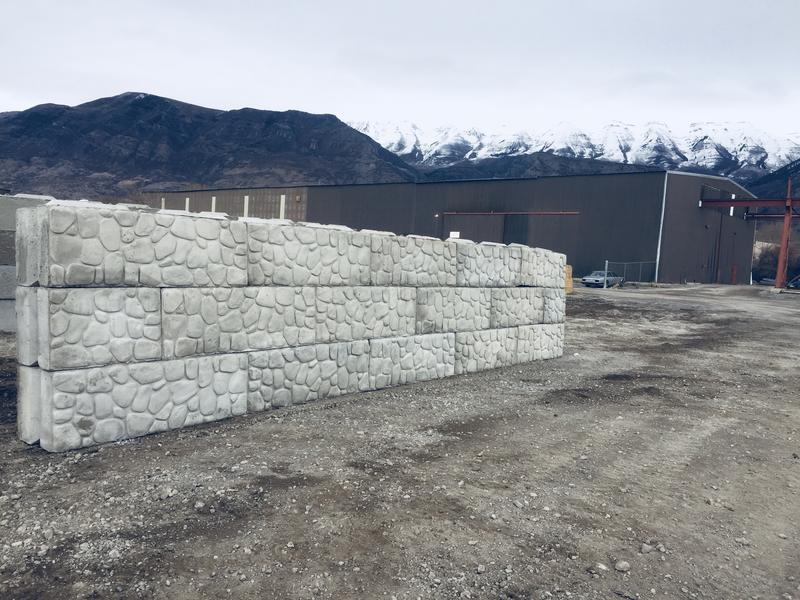
People are often surprised the first time they see an eco block up close. These are big pieces of concrete, about 2 by 2 by 4 feet, and a wall goes up one block at a time with equipment doing the lifting. Homeowners around Knoxville planning a wall naturally ask what delivery day actually looks like, whether their yard can handle it, and how a stack of blocks on a truck becomes a straight, solid wall. The process is methodical rather than dramatic, and knowing the steps ahead of time makes the whole project easier to plan around.
It starts before the truck arrives, with the wall line laid out and the base prepared. The crew marks where the wall will run, excavates down to firm ground, and builds a level, compacted pad for the first course. That first course matters more than any other, because every block above it follows its line and level. On East Tennessee clay, getting down through soft topsoil to ground that will not shift is the quiet step that decides how the wall looks and behaves ten years later. Time spent on the base is never wasted, even though it all ends up buried and invisible.
Delivery day is mostly about access and staging. The blocks come in on a truck, and the site needs a route firm enough for that truck and for the equipment that will move each block to the wall line. Depending on the site, blocks are handled with forks or lifted and placed by machine, then walked into position with small adjustments until each one sits tight against its neighbor and true to the line. Gates, low tree limbs, soft lawn areas, and tight turns between a house and a fence are the usual puzzles on residential lots in places like Maryville, Farragut, and Sevierville, and they are all easier to solve on a planning visit than on delivery morning.
Once the first course is set and checked, the wall rises course by course. Blocks are staggered so joints do not line up straight through the wall, which ties the run together, and the top course can be finished with a top cap for a cleaner look where the wall is prominent. Behind the blocks, drainage material and pipe go in as the wall comes up, not as an afterthought at the end, and backfill is placed and compacted in stages so the ground behind the finished wall is solid rather than loose. Watching it happen, most people remark on how much of the real work is behind and below the face they will actually see.
A typical yard needs a little cooperation during the work. Cars should be moved out of the work and delivery area, pets kept inside or fenced away from the equipment, and anything fragile near the wall line, like landscape lighting or irrigation parts, pointed out before the first bucket of soil moves. The crew will also need a plan for excavated dirt: some stays on site to build up the level area behind the wall, and the rest is shaped into the grade or hauled off, depending on the project. Agreeing on that plan up front keeps a yard from ending the week with a mystery pile nobody expected.
How long it all takes depends on the wall's length and height, the access, and the weather, because East Tennessee rain can turn a workable site into a muddy one in a single afternoon. What homeowners consistently say afterward is that the setting itself went faster than they imagined, since placing one block creates four feet of wall at a time. The slower, fussier parts are the preparation and the finishing: the base, the drainage, the grading above and below, and the cleanup that turns a construction area back into a yard.
If you are picturing this on your own lot, start by looking at your access with fresh eyes: the width of your gate or drive, the firmness of the ground after rain, and the overhead clearance along the route. Take a few photos of the path a truck would travel as well as the wall line itself. Then try the wall calculator on the site for a first sense of your wall's size, or call (423) 358-2317 for a free estimate and a site walk that covers access, staging, and the base before any delivery is ever scheduled.
Want to know what your wall takes? Run the wall calculator for a block count, then send your details for a free estimate — no pressure, no obligation.