Freestanding Garden Wall vs. Retaining Wall: Which Do You Actually Need?
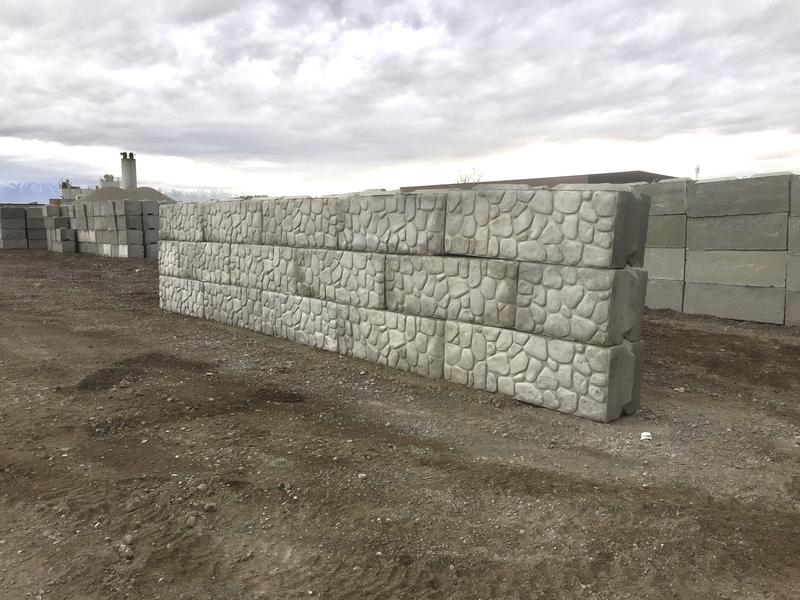
Homeowners often use the terms garden wall and retaining wall as if they mean the same thing, and builders sometimes let the confusion slide because the conversation is friendlier that way. They are not the same structure, though, and building the wrong one for the job is an expensive misunderstanding. The difference comes down to one simple question. Is the wall holding back soil that would move if the wall were not there? If yes, it is a retaining wall, no matter how decorative it looks. If no, it is freestanding.
A freestanding wall stands on level ground and is finished on both sides. People build them to define a patio, edge a front yard, create a low seat wall around a fire area, screen a view, or give a flat property some structure and shape. Because no soil presses against it, a freestanding wall mainly has to support itself, stay plumb, and handle weather. It still needs a level, stable base so it does not settle or tip, but it does not need drainage gravel and pipe behind it, because there is no behind in the retaining sense. Both faces are visible, so the finish matters on both sides.
A retaining wall has soil against one face and open air on the other, and it works for a living. It holds a hillside in place, creates flat ground on a slope, protects a driveway or building from a creeping bank, and resists the constant pressure of the earth behind it, pressure that climbs sharply when East Tennessee clay gets saturated. That job requires a buried base course, a compacted foundation, drainage behind the wall, and backfill placed in compacted layers. A retaining wall built like a freestanding wall, pretty face, shallow base, no drainage, will lean, because it was never equipped for the load it carries.
The gray area is the low wall around a raised planting bed or a gentle grade change, and it is where most confusion lives. A wall holding back a foot or so of soil in a flower bed is technically retaining, but the load is small. A wall at the bottom of a slope holding back several feet of yard is retaining in a serious way, even if it is planted with flowers in front of it. The honest way to sort it out is to measure the difference in soil height between the two sides. The bigger that difference, and the wetter and heavier the soil, the more your project belongs in the retaining category with everything that implies.
Cost, effort, and longevity all follow from that classification, so it is worth getting right before anyone digs. Treating a true retaining job as a simple garden wall invites failure and a rebuild. Treating a simple freestanding divider as a full retaining structure can add steps the project does not need. This is also why photos online can mislead. Two walls can look identical in a picture, while one is standing free on flat ground and the other is holding back a wet hillside on buried courses and a drain you cannot see.
Large eco blocks can serve in both roles when the layout suits them. Each block is roughly two feet tall, two feet deep, and four feet long, with plain and brown finishes and an optional top cap, so a low freestanding divider or seat wall has a clean, substantial look, and a true retaining wall gets the mass and footprint the job demands. The block is not the decision, though. The decision is what the ground is asking the wall to do, and that is answered by walking the site and looking at the grades honestly.
If you are not sure which kind of wall your project needs, start by looking at your yard and asking whether soil would move if nothing were built. Then try the wall calculator on easttnretainingwalls.com for a starting estimate if you are holding back a slope, or call (423) 358-2317 for a free estimate. We will walk your lot, sort out whether your wall is freestanding, retaining, or a bit of both, and build the structure that matches the real job instead of the label.
Want to know what your wall takes? Run the wall calculator for a block count, then send your details for a free estimate — no pressure, no obligation.