Fix a Leaning Retaining Wall: Repair or Rebuild?
Almost every leaning retaining wall in East Tennessee started out straight. The lean came slowly, a little more after each wet winter, until one day the top of the wall is clearly out over the bottom and the whole run looks like it is thinking about lying down. If that is your wall, the main question is whether it can be repaired in place or whether the section needs to come apart and be rebuilt. The answer depends on why it moved, not just how far it has gone.
Start by understanding the usual causes. Most leaning walls were pushed by water and soil pressure because drainage behind them failed or was never installed. Others sit on a shallow or uneven base that settled over time. Tree roots can pry from behind or below, and extra load at the top, like a new driveway edge, shed, or filled planting bed, can add pressure the wall was never built for. A wall that leaned because a drain outlet got buried last spring is a different patient from a wall that has been creeping for a decade on a failing base.
Small, recent, and limited movement is where repair has the best case. If a short section has shifted slightly, the rest of the wall is sound and plumb, and the cause is clear and fixable, such as a blocked drain, a downspout pouring behind the wall, or soil piled too high at the top, then correcting the cause and resetting the affected blocks can be reasonable. The key word is cause. Any repair that pushes blocks back into line without fixing the water or load that moved them is just resetting the clock on the same failure.
Rebuilding is usually the right call when the movement is widespread, the base has failed, or the wall was built without drainage from the start. Signs that point toward a rebuild include a lean along most of the run instead of one spot, blocks that are cracked or displaced in several courses, soil washing out through joints, a bowed middle section, and a top course that has stepped noticeably away from the bottom. In those cases the hidden parts of the wall, the trench, the gravel pad, and the backfill zone, need to be redone anyway, and they can only be redone by taking the wall down.
There are safety and timing reasons not to wait. A leaning wall holds back soil that wants to move, and walls that creep for years can go the rest of the way in one saturated storm. If the wall holds up a driveway, a patio, a fence, or ground near a house, the cost of a sudden failure includes whatever the sliding soil takes with it. At a minimum, keep vehicles and heavy loads away from the top edge of a leaning wall, keep people from climbing or playing on it, and get it assessed before another wet season instead of hoping it holds one more year.
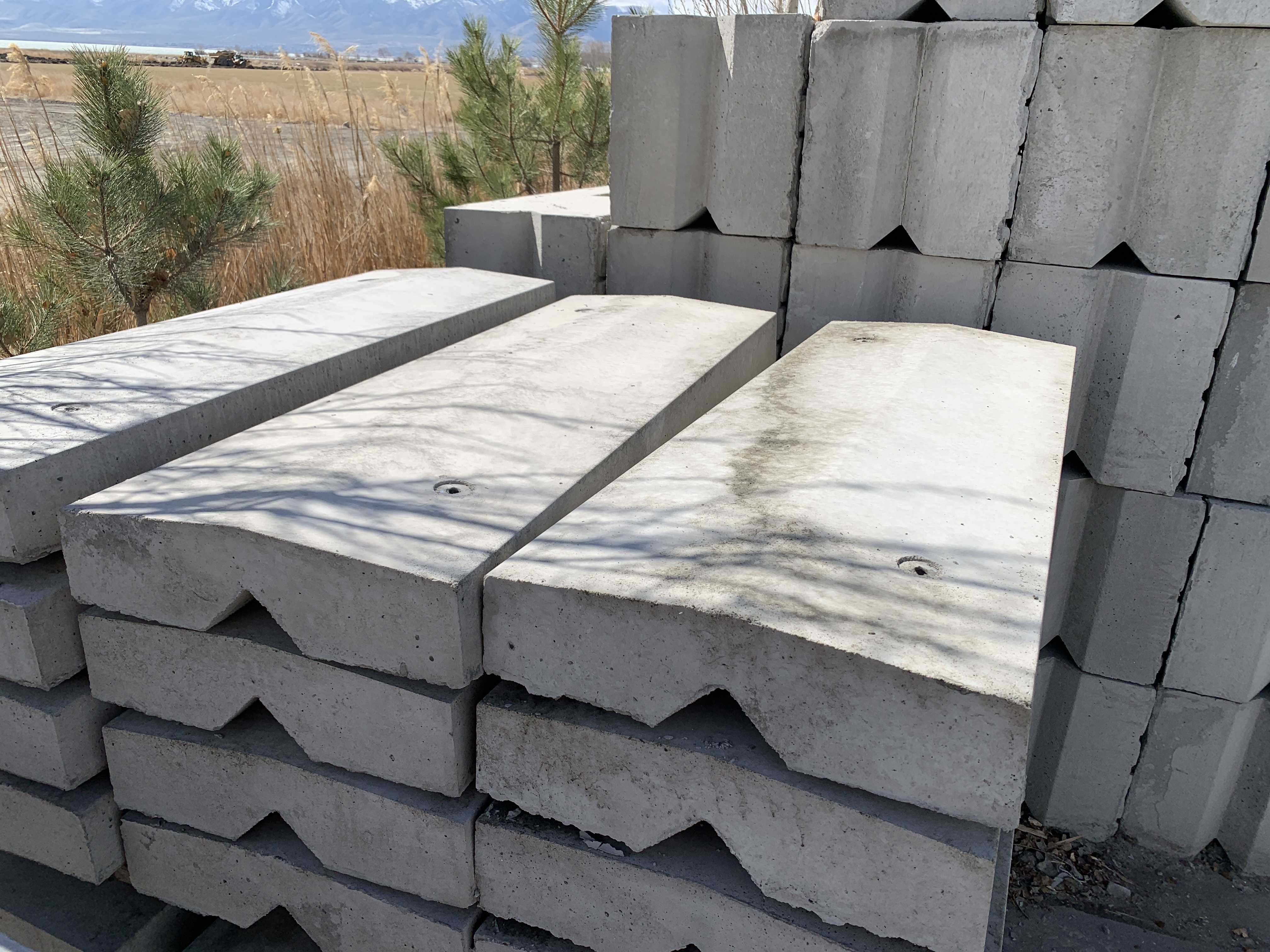
A proper rebuild reuses what is sound and corrects what was not. The section comes down, the trench is dug to firm ground, a compacted gravel pad is set and leveled, the first course is buried as it should be, and drainage gravel and pipe go in behind the wall as it rises, with backfill compacted in layers. With large eco blocks, roughly two feet tall, two feet deep, and four feet long, a rebuilt section has real mass working for it once the base and drainage are right. Rebuilding also lets you fix layout problems, like adding steps or finishing the top with a cap in a plain or brown finish.
If your wall is leaning, take a few photos from the side where the lean shows best, note how long it has been moving and anything that changed before it started, and check whether water drains toward the wall. Then call (423) 358-2317 for a free estimate, or try the wall calculator on easttnretainingwalls.com if you are planning a replacement wall and want a starting estimate. We will tell you honestly whether your wall is a repair candidate or a rebuild, and why, based on what is happening behind and under it.
Want to know what your wall takes? Run the wall calculator for a block count, then send your details for a free estimate — no pressure, no obligation.