Fire Pit Terraces: A Level Circle on a Sloped Lot
A fire pit wants one thing a sloped yard cannot give it: a level circle where chairs sit steady, feet rest flat, and nobody's drink slides downhill. That is why fire pits and retaining walls belong in the same conversation across East Tennessee. One low wall, set into the slope, carves out a flat terrace of gravel or stone, and the hillside that hosted nothing but a mowing chore becomes the room where your family spends October evenings.
Placement comes first, and it is mostly about wind, distance, and the walk. Set the terrace far enough from the house, fences, and overhanging limbs that sparks and smoke are a pleasure instead of a worry, and think about the prevailing evening breeze, because a fire pit placed where smoke blows into the seating is a fire pit used twice. The path from the back door matters too. A terrace that is easy to reach in the dark, ideally with a step or two and a little low-voltage light, gets used on weeknights. One that requires a climb becomes a special-occasions project.
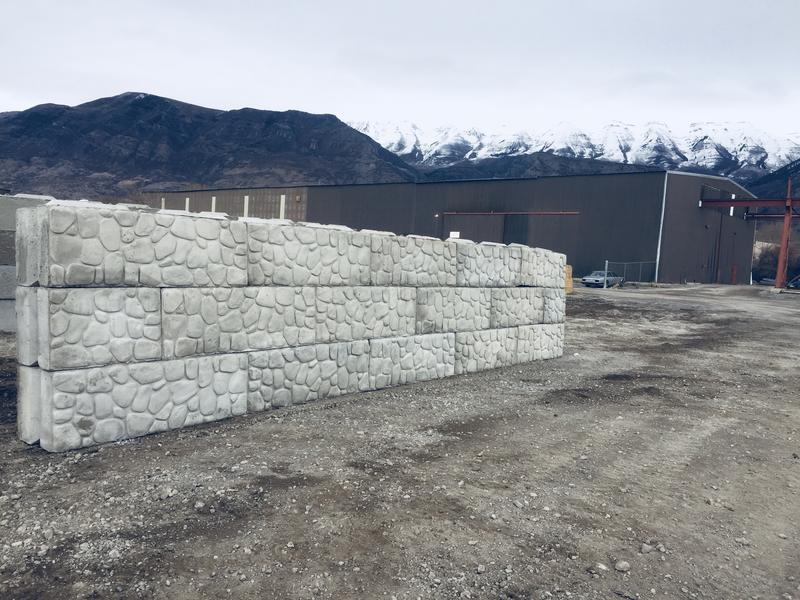
The wall itself is a friendly size for eco blocks. Each block is roughly two feet tall, two deep, and four long, so a single course often creates exactly the level change a fire pit terrace needs, with the block top, especially with a cap finish, doubling as casual seating or a place to set a plate. Curved terraces are possible by angling blocks in a gentle arc, and a wide, shallow curve suits a fire circle beautifully, wrapping the seating into the hillside instead of stamping a rectangle onto it.
The floor of the terrace deserves as much thought as the wall. A deep, compacted gravel floor is the classic choice: it drains instantly, shrugs off sparks, never cracks, and can be topped up in an afternoon years from now. Stone pavers give a more finished floor but need the same well-drained, well-compacted base to stay level through freeze and thaw. What the floor should never be is bare clay or mulch right up to the fire, one for the mud after rain and the other for the obvious reason involving sparks.
Drainage is the invisible requirement, again. A terrace cut into a slope interrupts the hillside's drainage, and the wall behind the fire area needs stone and a drain like any retaining wall, plus a plan for rain that falls inside the terrace itself. Gravel floors help by letting water pass through to a drained base. Without that thinking, the level circle you built for autumn fires becomes a shallow pond every spring, and a fire pit standing in water is a monument to a step that got skipped.
Details finish the room. A built-in wood niche in the wall keeps firewood dry and close. A wider cap section makes a serving ledge for the s'mores operation. Lighting kept low and warm lets people move safely without killing the firelight, which should always be the main event. Plant the slope above the wall with something that holds the bank and stays out of the spark zone, and leave the terrace edge open on the downhill side so the view, in many East Tennessee yards the whole point, stays in the picture.
Measure the win in evenings. A level fire terrace on a slope turns ground that produced nothing into the most requested seat on the property, four seasons a year, because a fire in January is as good as a fire in June. It starts, as most good yard projects here do, with one honest wall holding the hill back so life can happen on the flat.
If you are planning a wall, try the wall calculator on the site to size up your project, or call (423) 358-2317 for a free estimate. We build eco block retaining walls across East Tennessee, and we are glad to walk a lot with you and talk through drainage, layout, and finish before any work starts.
Want to know what your wall takes? Run the wall calculator for a block count, then send your details for a free estimate — no pressure, no obligation.