Efflorescence: The White Film on Concrete Blocks and When to Care
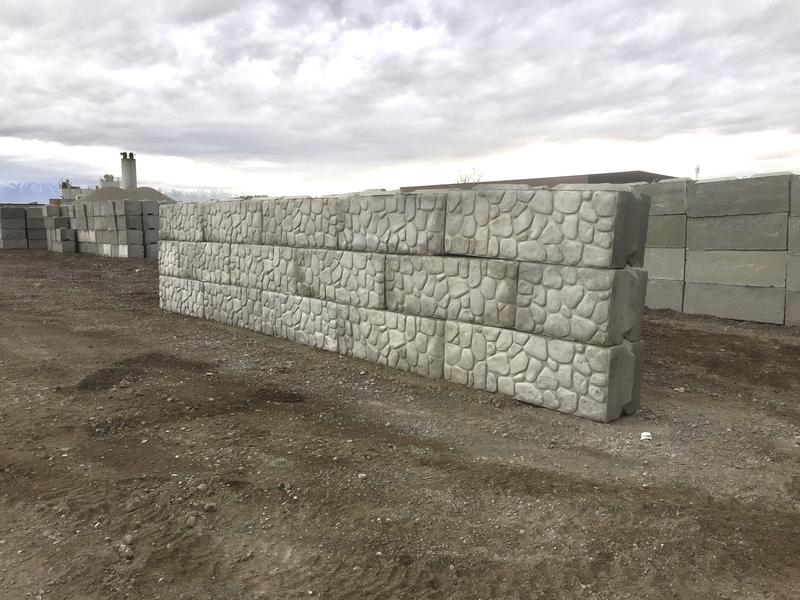
Sooner or later, many concrete walls develop a white, chalky film, sometimes in streaks, sometimes in patches that look like frost that forgot to melt. Homeowners reasonably wonder if the wall is deteriorating, getting moldy, or failing some test they did not know they were taking. In most cases the white film is efflorescence, one of the most common and most misunderstood sights on concrete, and the calm, correct response starts with knowing what it actually is.
Efflorescence is a mineral deposit. Concrete contains natural salts, and water moving through the block, from curing, from rain, from the ground behind a wall, dissolves those salts, carries them to the surface, and leaves them behind when it evaporates. The white crust is simply what the water dropped off on its way out. It appears on new concrete as it cures and dries, and it can appear on older walls during wet seasons when water finds a new or heavier path through the material.
On a fresh eco block wall, a round of efflorescence in the first months is normal to the point of expected. The blocks are big, roughly two feet tall, two deep, and four long, and they hold moisture that works its way out gradually. As the wall dries and weathers through its first year, the film usually fades, washes down in the rain, and stops returning with the same enthusiasm. A dry brush takes off the loose powder, and plain water and a stiff brush handle most of the rest if the look bothers you before nature finishes the job.
The time to pay closer attention is when efflorescence tells a water story. A white deposit concentrated in one persistent streak, returning in the same place after every rain, marks a path water is taking through or behind the wall, and that path is worth understanding. Heavy deposits low on a wall combined with damp soil, staining, or a drain outlet that never flows can hint that water is moving through the face because it has nowhere better to go, which is a drainage question, not a cosmetic one.
Distinguish it from its look-alikes. Mold and algae in East Tennessee are usually green, black, or slippery, favor shaded, damp faces, and grow on the surface rather than crystallizing from within. Hard water deposits from a sprinkler hitting the wall leave their map in the sprinkler's arc. True efflorescence is dry, powdery or crystalline, white to light gray, and brushes off like dust. Knowing which white or dark film you are looking at decides whether the answer is a brush, a drainage check, or simply patience.
What not to do matters as much as what to do. Sealing a wall face to trap the film can trap the moisture causing it, and sealing should never be a first response or a way to hide a water path that needs fixing. Harsh washing and aggressive chemicals are usually more than the situation asks for and can rough up a finish, plain or brown, that was weathering perfectly well on its own. Most efflorescence on a sound, well-drained wall is a passing chapter of the concrete's first years, not a verdict on the wall.
Use the film as information and you will read it right. Fading, general, and early: normal. Persistent, localized, and paired with dampness or other changes: a reason to look at drainage and water paths, ideally with photos over a few weeks to show the pattern. Concrete that tells you where its water travels is giving you useful news, and a wall owner who listens calmly, neither alarmed nor dismissive, will catch the rare real problem early and ignore the many harmless ones completely.
If you are planning a wall, try the wall calculator on the site to size up your project, or call (423) 358-2317 for a free estimate. We build eco block retaining walls across East Tennessee, and we are glad to walk a lot with you and talk through drainage, layout, and finish before any work starts.
Want to know what your wall takes? Run the wall calculator for a block count, then send your details for a free estimate — no pressure, no obligation.