Eco Blocks vs. Poured Concrete Walls: An Honest Comparison
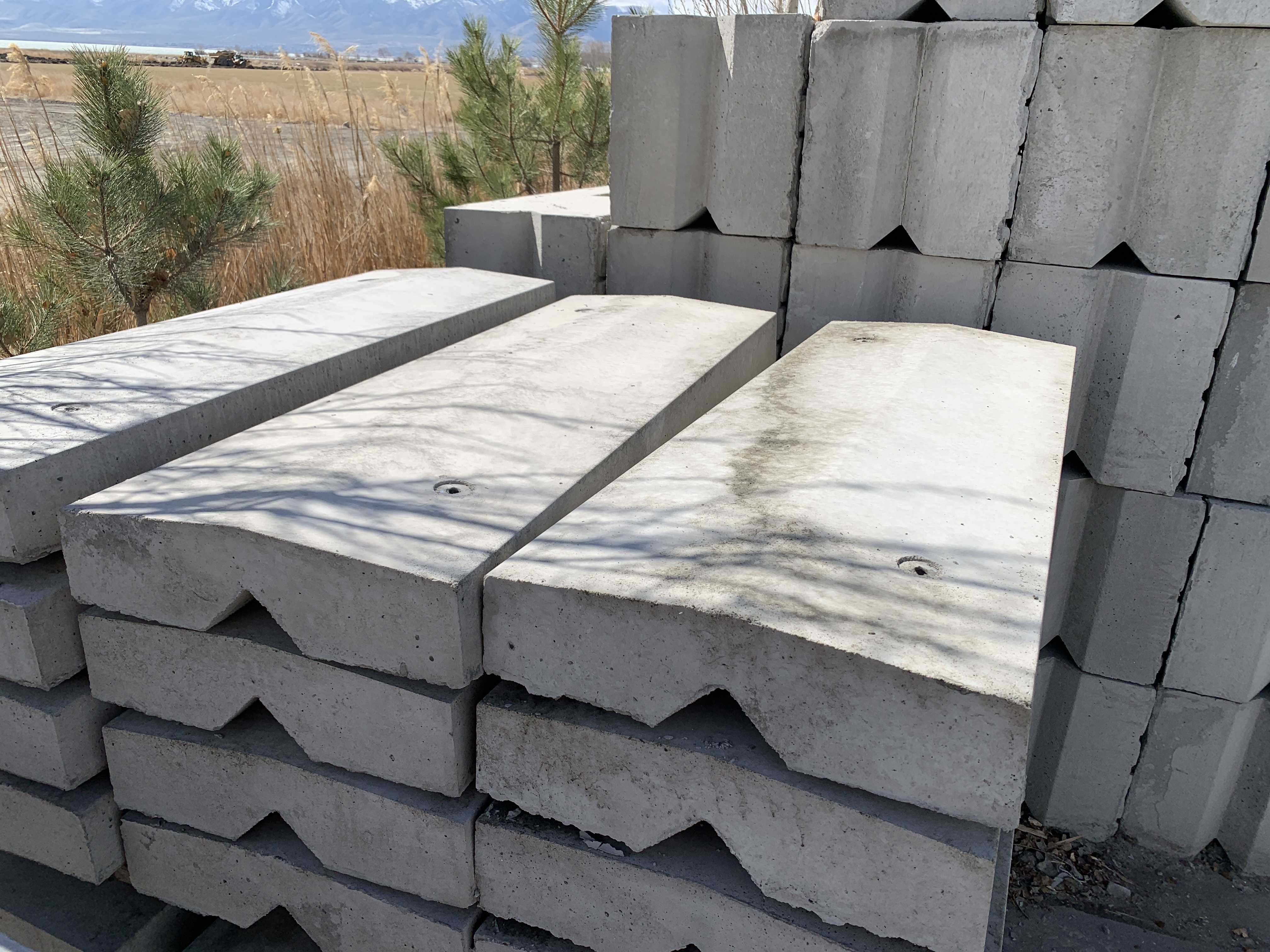
Homeowners comparing retaining wall options usually meet two very different approaches. One is a wall built from large precast eco blocks, stacked course by course on a prepared footing. The other is a poured concrete wall, formed on site and filled with wet concrete that hardens in place. Both have held back East Tennessee hillsides for years, and an honest comparison is more useful than a sales pitch, because the right choice depends on your site, your slope, and what you want the finished yard to look like.
Poured concrete's strength is its single solid structure. A well-formed, well-reinforced pour becomes one continuous wall, which can suit certain tight or unusual shapes where forming is practical. The trade-offs come with the process. Forms have to be built and braced, the pour has to go right on the day, and the concrete needs time to cure before it takes the full load of the soil behind it. If the wall ever cracks in a meaningful way, repair options are limited, because you cannot easily take one section apart and rebuild just that piece.
Eco blocks take the opposite approach. Each block is a large precast unit, roughly two feet by two feet by four feet, made under controlled conditions before it ever reaches your yard. The wall goes up in courses, so progress is steady and visible, and no cure time is needed before backfilling with proper drainage material. Because the wall is built from individual units, a section that is ever damaged can be addressed section by section, rather than treating the whole wall as one piece that must be cut into.
Drainage is where the comparison gets practical. Any retaining wall, poured or block, fails early when water is trapped behind it, so both need a real drainage plan. Block walls are commonly built with drainage material and an outlet path as part of the standard assembly, course by course as the wall rises. A poured wall needs those provisions designed and placed before the pour, in the form of drain openings and backfill work that happens after the forms come off. Either can be done well. Either can be done badly. Ask whoever you hire to explain the drainage in plain words before work starts.
Looks differ too, and this is a matter of taste rather than quality. A poured wall gives a smooth, plain face that some people like next to modern homes. Eco blocks give a more substantial, masonry-style face, and they come in plain and brown finishes, with a top cap finish available for the upper course to give the wall a finished edge. On a residential slope in Knoxville or the surrounding counties, the block face tends to blend with landscaping, while a tall smooth pour can look stark unless it is softened with planting.
Site conditions often make the decision. Steep or tight access, a long wall, or a yard where a concrete truck and forming work would tear things up can push a project toward blocks that are placed by machine one at a time. A short wall in an open spot may suit either method. Clay soil, which we have in abundance, argues for whichever builder talks most seriously about the footing, the drainage, and the backfill, because those hidden parts decide how either wall ages here.
We build with eco blocks because they suit the slopes and soils we work in every week, and because homeowners can see exactly what they are getting before the first course is set. If you are weighing your options, start with the size of your slope. Try the wall calculator on the site for a first sense of scale, or call (423) 358-2317 for a free estimate. An honest comparison should leave you clearer, not more confused.
Want to know what your wall takes? Run the wall calculator for a block count, then send your details for a free estimate — no pressure, no obligation.