Creek and Pond Edges: Walls That Meet the Water
East Tennessee is stitched with water: creeks through the hollows, farm ponds in the pastures, and wet-weather branches that run hard for two days and then go quiet. Sooner or later, a lot of property owners face the same spot, the place where the bank meets the water and loses a little ground every year. A retaining wall at a creek or pond edge can hold that line, clean up access for fishing, mowing, and livestock, and stop the slow unraveling of a bank. It is also one of the most demanding places you can ask a wall to work, and it pays to understand why before any blocks meet the waterline.
The base is the whole story at a water's edge. Moving water scours. A creek that looks gentle in July can run high and fast in a February storm, pulling soil from around and under anything sitting in its path. A pond is calmer but keeps the base of its banks saturated, and saturated soil is weak soil. A wall here needs its footing set below the zone that water can undermine, on firm ground, with the understanding that the ground at the waterline is never as solid as it looks from the bank in dry weather. If the toe of the wall is not protected from scour, the finest wall above it is standing on borrowed time.
Saturation works on the wall from behind as well. Ground next to a creek or pond is wet more of the year than ordinary yard soil, and the water level itself rises and falls, sometimes quickly. When a creek drops fast after a storm, water trapped in the bank behind a wall can press outward harder than the water outside that used to balance it. That is why drainage and pressure relief behind a waterside wall matter even more than usual, and why a wall at the waterline is designed to let water through in controlled places rather than pretending the bank can be sealed dry. A waterside wall is less a dam than a strong, permeable edge that holds soil while water comes and goes.
Before any work near water, sort out the permission side. Creeks, streams, and wetlands can involve rules beyond your property line, and work in or near them may require permits or approvals depending on the waterway and the scope of the project, at the state or federal level as well as locally. Check local requirements and the appropriate agencies before assuming a bank project is a simple weekend build.
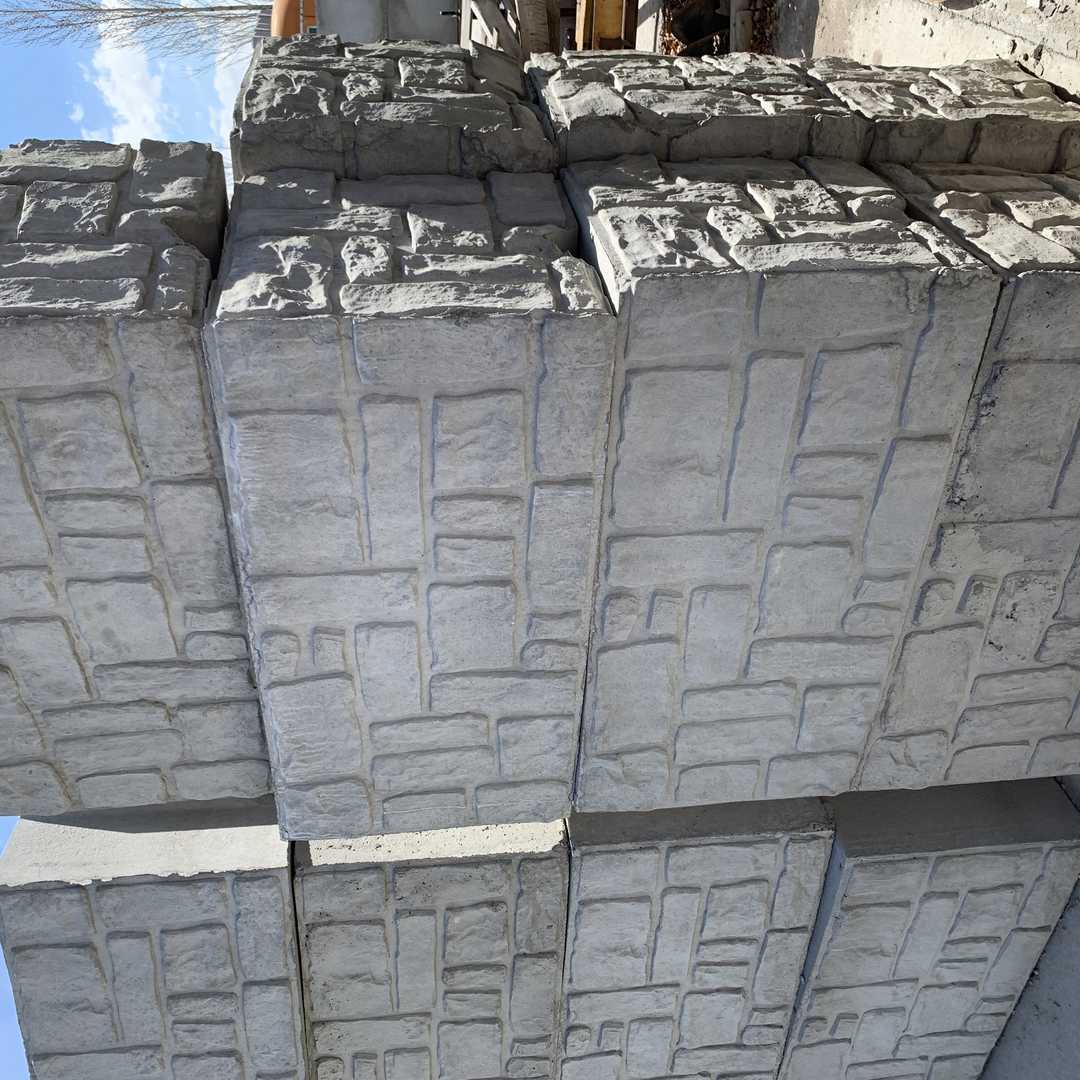
Design choices follow the water. Eco blocks bring useful mass to an edge, at about 2 by 2 by 4 feet each, and mass resists both current and the bump of floating debris better than light materials. The wall line should follow a sensible contour rather than jutting into the flow, ends should tie firmly into stable bank well away from the eroding stretch, and the top of the wall should meet ground that is graded to shed rain away from the edge instead of pouring over the face. Where livestock drink, plan their access point deliberately, ideally a hardened spot that is not the wall itself, since a herd's worth of hooves at one soft corner will dismantle any bank, walled or not.
Expect a waterside wall to ask for a bit more watching than a yard wall, and give it gladly. After major storms, walk the edge and look for scour pockets at the base, soil lost at the ends, and debris piled against the face that will redirect current into the bank. Clear debris once the water drops, top up any settling behind the top course, and keep heavy equipment off the wet bank near the wall when the ground is soft. Small attention after big water keeps little problems little, in a place where water is always patiently testing for the one weak spot you stopped checking.
If your creek bank or pond edge is slumping, narrowing your pasture, or eating toward a drive or building, start with photos at normal water and, if you can, after a good rain, since the two views together explain the site better than any description. Try the wall calculator on the site for a rough sense of the wall involved, or call (423) 358-2317 for a free estimate and an honest look at base conditions, drainage, and whether a wall, possibly paired with other bank work, is the right way to hold your water's edge.
Want to know what your wall takes? Run the wall calculator for a block count, then send your details for a free estimate — no pressure, no obligation.