Concrete Block Retaining Walls in Knoxville: Eco Blocks vs. Small Blocks
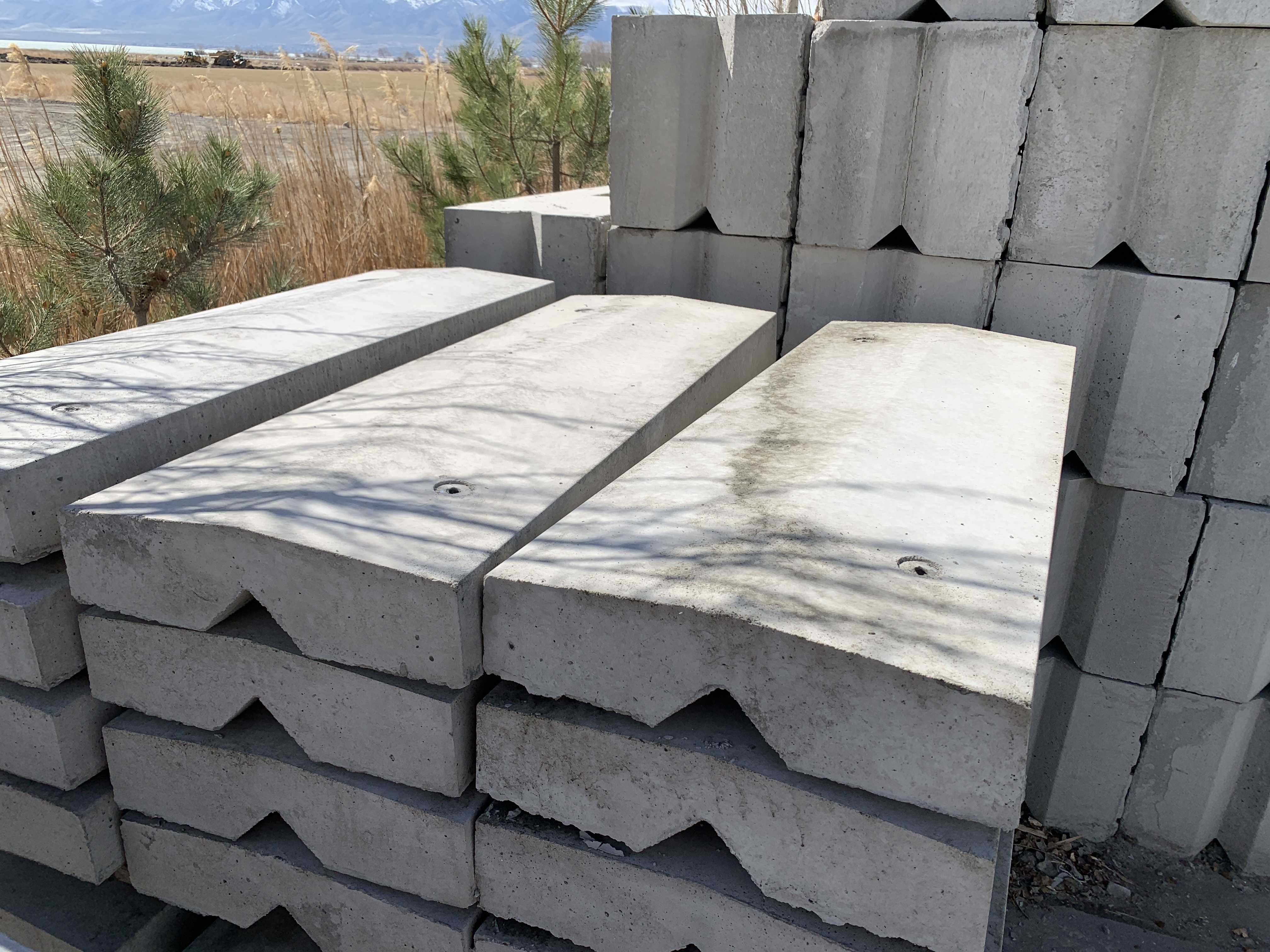
Most Knoxville homeowners who start shopping for a concrete block retaining wall picture the same thing: those hand-sized blocks stacked up at the big-box store. That is one option. But there is a second type of concrete block wall that is becoming the standard for bigger jobs around East Tennessee — the eco block wall, built from blocks that are roughly 2 feet by 2 feet by 4 feet each. If you are comparing the two, here is how they actually differ.
First, the basics. A small-block wall (often called a segmental or paver-block wall) uses blocks you can pick up by hand, stacked dry with lips or pins locking them together. An eco block wall uses big concrete blocks that each need equipment to set — a skid steer or mini excavator places every block. The big blocks are heavy enough that gravity and friction do most of the structural work, which is a real advantage on Knoxville's hillsides and red clay.
Knoxville's soil is a big part of this decision. Our hills are full of clay that holds water, and water is what kills retaining walls. Small blocks are fine behind a few feet of clay, but every course you add means more stacked joints and more reliance on perfect drainage and geogrid. Eco blocks, because each block is two feet deep into the hill, have far fewer joints per foot of wall height and far more mass holding soil back. For walls taller than about four or five feet on a Knoxville slope, that mass is worth a lot.
Drainage works the same way on both, but it is less forgiving on small blocks. Behind any retaining wall you need clean gravel backfill, a perforated drain pipe at the base that exits to daylight, and a way for surface water to get over or around the wall instead of into it. When small-block walls fail around here, it is almost always water: clay swells, pressure builds, and courses start to lean or step out. Eco block walls fail the same way if you skip drainage — no wall survives water pressure — but they have more room for error because each block weighs hundreds of pounds.
Installation speed is the honest trade-off. A small-block wall can be built almost entirely by hand, which keeps equipment needs low, but it takes far more labor per foot of wall — every single block is picked up, placed, and leveled by hand. An eco block wall needs a machine on site, but each block covers roughly 8 square feet of wall face. Once the base course is level, the wall goes up fast. On a long wall, that difference matters.
Look and finish is personal. Eco blocks come in a few finishes — plain gray, a brown finish that reads more like natural stone, and a top cap option for a finished edge. They look like a serious structural wall because they are one. Small blocks come in dozens of colors and textures and can look more like a garden wall. If your wall is the backdrop of a patio you will stare at every evening, the smaller blocks give you more design options. If your wall is holding up a hillside so your yard is usable, the big blocks usually win.
Cost is the question everyone asks, and it is hard to answer generically because walls differ so much — height, length, access, how much digging is involved, and drainage needs all move the number. That is exactly why we do not publish prices and why we built our wall calculator: answer a few questions about your project and you get a block count, then a free estimate dials it in to your yard. One honest comparison, though — on tall or long walls, the labor savings of setting big blocks with a machine often make eco block walls competitive with, or cheaper than, hand-stacked small block walls for the same job.
So which should you choose? For short garden walls under four feet, small blocks are a perfectly good choice. For the real East Tennessee jobs — hillside lots, terraced yards, driveways cutting through a slope — eco block walls handle our soil and our hills with less fuss. Either way, the wall only lasts if the drainage is right, so ask any contractor how they drain the wall before you ask anything else.
If you are looking at a slope in your Knoxville-area yard and wondering which block is right, try our wall calculator to get a block count for your project, or call (423) 358-2317 for a free estimate. We will look at your yard and tell you straight which approach fits.
Want to know what your wall takes? Run the wall calculator for a block count, then send your details for a free estimate — no pressure, no obligation.