Compaction: The Invisible Step That Keeps Backfill From Settling
Here is a piece of wall building nobody photographs. After the blocks are set and the drainage stone goes in, the space behind the wall has to be filled and compacted, layer by layer, each thin lift of material packed down before the next one goes on top. It is slow, repetitive, and completely invisible in the finished wall. It is also the difference between a wall whose top line stays crisp for years and one with a sunken trench behind it by the second spring.
Soil settles. That is not a defect, it is physics. Loose fill is full of air pockets, and rain, gravity, and time will collapse those pockets and take up the slack whether you plan for it or not. Compaction simply does the settling in advance, on purpose, while the wall is open and the work is easy. A compactor run over six inches of gravel or soil at a time squeezes out the air and locks the particles together, so the ground behind your wall starts its life already settled.
The material matters as much as the machine. Clean drainage stone right behind the blocks compacts well and lets water fall to the drain pipe instead of holding it against the wall. Further back, suitable fill can be placed and compacted in lifts, but East Tennessee red clay needs judgment. Wet clay smears and pumps under a compactor instead of packing, and dry clay clods resist breaking down. A builder who knows local soil works with its moisture and texture instead of fighting it or burying the problem.
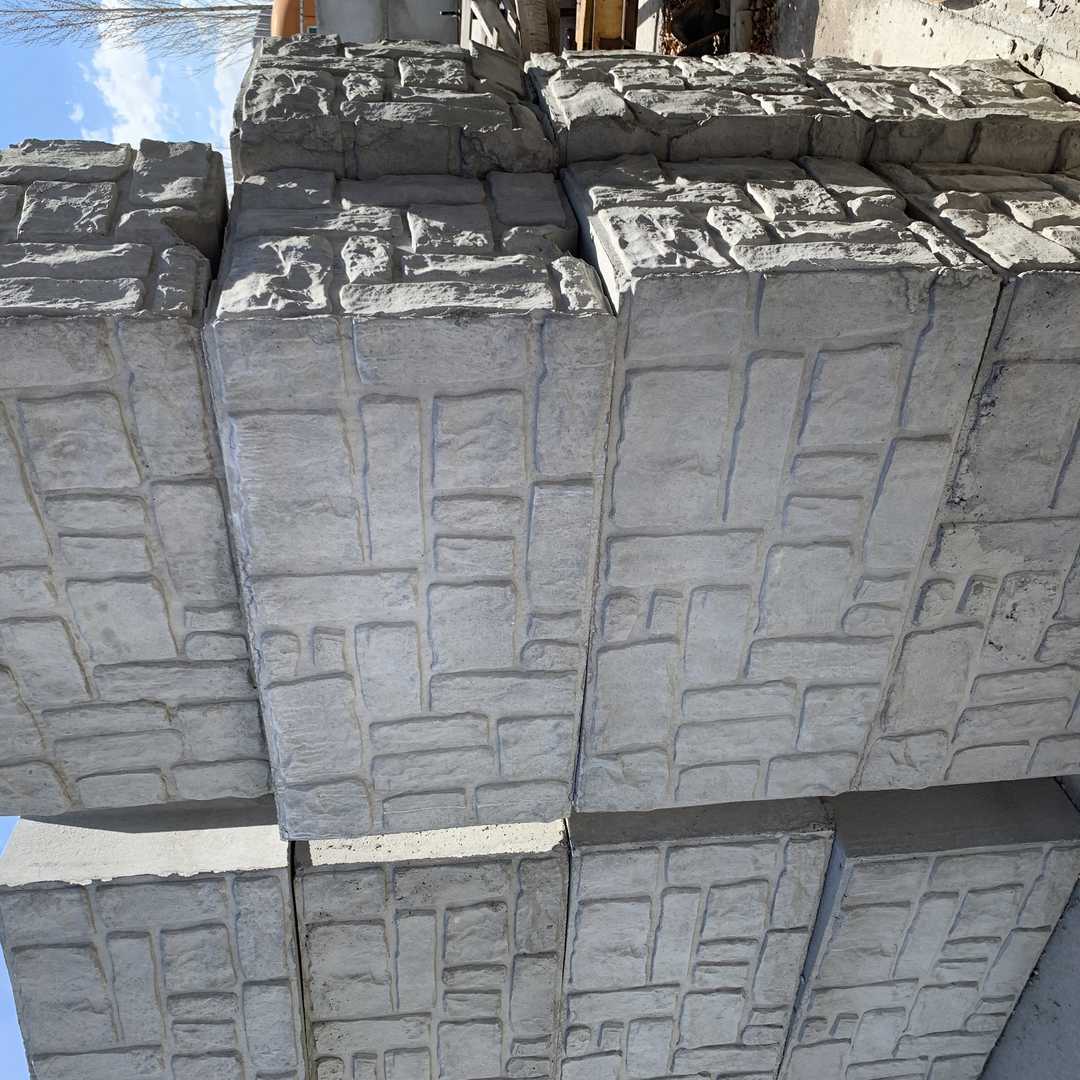
Compaction has a second, quieter job: it protects the wall during construction itself. Backfill dumped loosely in one deep pile pushes unevenly against fresh block courses and can shove a wall out of line before it is even finished. Placing and packing in shallow layers keeps pressure even and lets each course of eco blocks, each roughly two feet tall and four feet long, stay exactly where it was set while the ground behind it becomes solid in step with the build.
You can see the evidence of skipped compaction all over East Tennessee, usually a season late. Look for the shallow ditch that appears along the top of a wall, pulling away from a patio edge or opening a gap at a fence line. Water finds that ditch, pours in, and accelerates everything: more settling, more saturation, more pressure. The fix then means digging out and redoing the very work that was rushed, except now it happens over a finished yard instead of an open construction site.
Homeowners can do one useful thing here, which is to ask about process before hiring anyone. Ask how the backfill will be placed, in what layer thickness, with what equipment, and what material goes directly behind the blocks. A builder who answers plainly and specifically is telling you the invisible work is part of the plan. A builder who waves the question off is telling you something too, and it is worth hearing before the first load of anything arrives at your house.
Nobody will ever compliment your compaction at a cookout. The yard will just stay level, the patio will stay tight to the wall, and rain will go where it was directed instead of into a settling trench. In wall building, boring and invisible usually means correct, and compacted backfill is the most boring, invisible, correct thing on the whole job.
If you are planning a wall, try the wall calculator on the site to size up your project, or call (423) 358-2317 for a free estimate. We build eco block retaining walls across East Tennessee, and we are glad to walk a lot with you and talk through drainage, layout, and finish before any work starts.
Want to know what your wall takes? Run the wall calculator for a block count, then send your details for a free estimate — no pressure, no obligation.