Building a Retaining Wall on East Tennessee Clay Soil
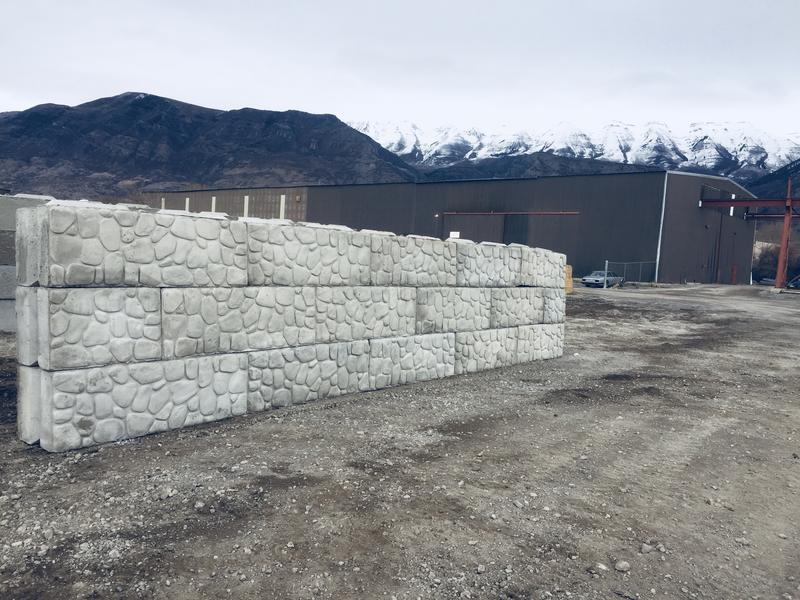
If you have dug a hole almost anywhere around Knoxville, you already know East Tennessee clay. It is red, heavy, sticky when wet, and hard as a brick when dry. It is also the soil most retaining walls here have to hold back, and it behaves very differently from sandy or loamy ground. Building a wall on clay is completely doable, but it takes a few extra steps that a builder can be tempted to skip, and those skipped steps are usually why a wall starts moving in its first few years.
The first thing to understand about clay is how it handles water. Clay particles are tiny and packed tight, so water moves through clay very slowly. After a long rain, the soil behind a wall can stay saturated for days. That wet clay is heavy, and as it swells with moisture it presses harder against the back of the wall. Then in a dry stretch in August, the same clay shrinks and pulls away, leaving gaps that the next storm fills with water all at once. A wall here lives through that swell and shrink cycle every year.
Because clay drains so poorly on its own, the space behind the wall matters enormously. A good build does not just push the excavated clay right back against the blocks. Instead, a zone of clean gravel goes in behind the wall with drain pipe in it, so water that reaches the back of the wall drops into stone and flows away instead of sitting in clay against the blocks. That gravel zone acts like a buffer between the wall and the wet hillside, and it is one of the most important differences between a wall that lasts and one that leans.
The base needs the same respect. Clay can be a firm footing when it is undisturbed and compacted at the right moisture, but the top layer in most yards is mixed with topsoil, roots, and loose fill that will not hold a level course. Digging down to firm ground, leveling the trench, and setting the first course on compacted gravel gives the wall a start that does not depend on soft surface soil. With large eco blocks, roughly two feet tall, two feet deep, and four feet long, getting that first buried course level on a solid pad is what keeps the whole stack true.
Backfill technique matters as much as materials. Backfill should go in in layers and be compacted as it rises, rather than dumped in loose all at once. Loose backfill settles later, and when it settles it can pull the surface down, change how water flows toward the wall, and leave low spots at the top where rain collects. Collecting water at the top of a clay wall is exactly what you do not want. The finished grade above the wall should shed water away or into a planned path, not pond it right behind the top course.
Clay also affects timing and access. Digging wet clay after days of rain is slow, heavy work, and machines can rut and tear up a yard quickly. Working when the ground is workable, planning where excavated soil will go, and knowing that some clay will need to be hauled off instead of reused behind the wall are all part of an honest plan for this area. A builder who talks openly about your soil is telling you something useful about how they will handle the rest of the job.
If your yard is classic East Tennessee clay and a slope is eroding, slumping, or eating into your usable space, a wall built for clay from the start is the fix. Try the wall calculator on easttnretainingwalls.com to get a starting estimate for your length and height, or call (423) 358-2317 for a free estimate. We will look at your soil, your drainage, and your slope together and lay out what the wall needs underground and behind it, not just what it will look like from the street.
Want to know what your wall takes? Run the wall calculator for a block count, then send your details for a free estimate — no pressure, no obligation.