A Retaining Wall for an RV or Boat Pad on a Slope
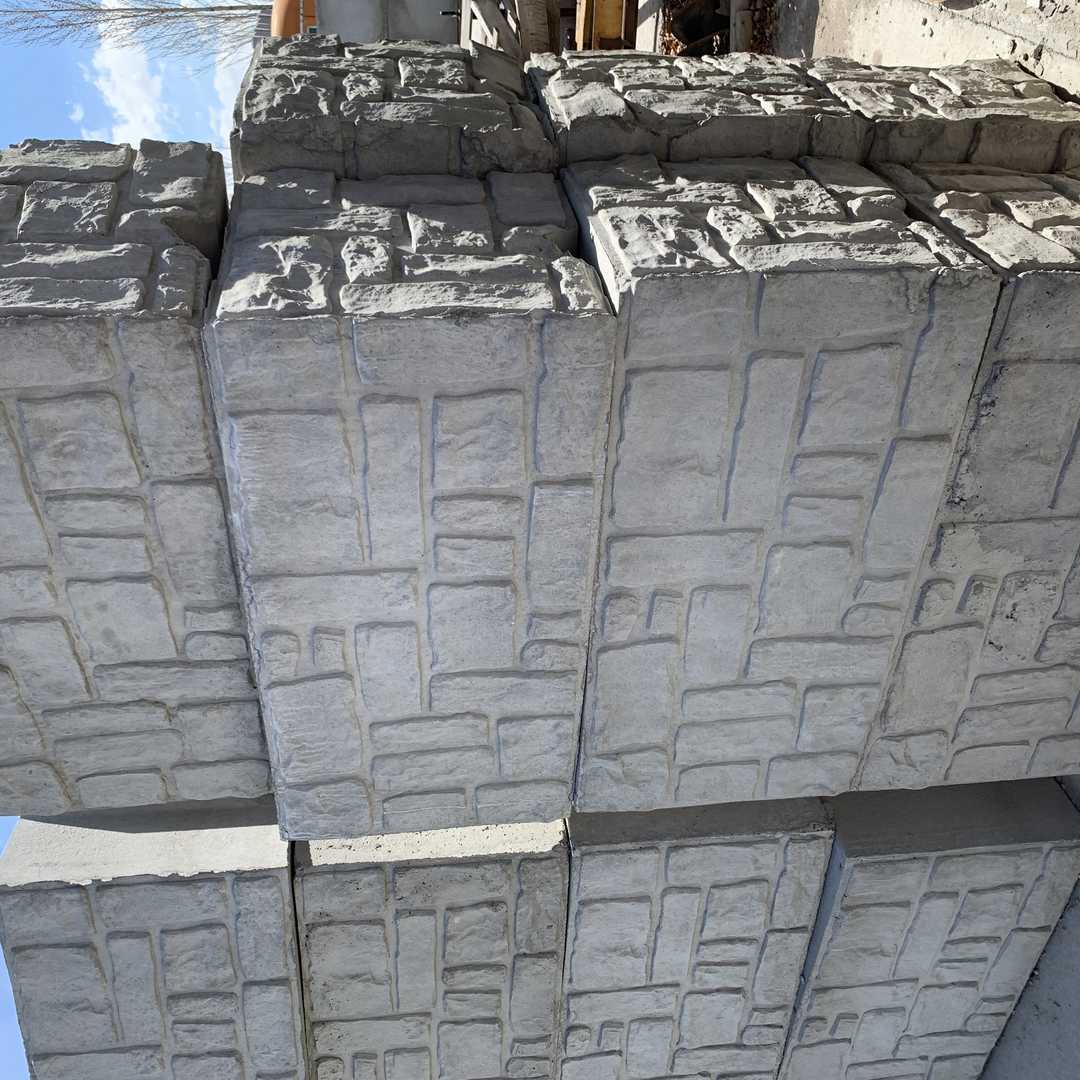
An RV or a boat on a trailer has one non-negotiable need: it wants to sit level. A camper parked on a slope is miserable to sleep in, hard on its refrigerator and jacks, and awkward to load. A boat trailer on a grade rolls, strains its coupler, and makes hitching a two-person wrestling match. On East Tennessee ground, where flat parking is scarce on most lots, the usual answer is a pad cut into the slope with a retaining wall holding the downhill edge. Done right, it gives you a level, drained parking spot that feels like it was always there. Done casually, it becomes a muddy ramp with a leaning trailer.
Start with real dimensions, measured from your actual rig rather than a guess. You need the length and width of the RV or boat and trailer, plus working room around it: space to open slides and storage doors, walk the length for hookups and checks, and back in without threading a needle every single trip. Backing a long trailer down a slope and onto a pad is where tight designs get exposed, so think about the approach as much as the pad itself. A pad that is easy to enter from the road or driveway will get used happily for years. A pad that requires a perfect line every time will quietly become a source of dread.
The wall itself usually runs along the downhill side and returns into the hill at both ends, holding the fill that brings the low side up to level. Eco blocks, big concrete blocks about 2 by 2 by 4 feet, suit this job well because the pad edge takes occasional bumps, weather, and the full weight of wet soil behind it. Keep the parked rig a sensible distance back from the wall edge rather than crowding tires to the lip, and plan the top surface, whether gravel or another finish, so it sheds water gently instead of ponding under the rig where nobody sees a problem developing until the ground softens.
Drainage around a pad deserves extra respect, because a pad collects water like a shallow bowl if it is graded carelessly. Rain off the RV roof, runoff from the slope above, and water from the driveway all arrive at the pad eventually. The grade above should intercept hillside water before it crosses the parking surface, the pad itself should have a slight, deliberate fall in one direction, and the wall's drainage needs a clear outlet that does not dump across the pad entrance. Around Rogersville and the lake communities alike, pads that stay dry stay solid, and pads that stay wet rut, sink, and grow weeds through the gravel by midsummer.
Think about the extras while the ground is open, not after. If you ever want power at the pad for keeping batteries up or running a fan, a water spigot for washing the boat, or lighting for late arrivals after a day on the Holston or Douglas Lake, the time to plan those runs is before the pad is graded and the wall is backfilled. Also decide how the pad meets the rest of the yard: a clean gravel edge, a strip for stepping out onto dry ground, and enough clearance from fences and trees for the rig's height, not just its footprint. Tall rigs catch limbs that cars never touch.
Ground preparation under the pad matters as much as the wall. Fill placed to raise the low side should be compacted in layers, especially where tires will sit and turn, because a heavy RV parked for months will find every soft spot. Give a new pad a little time and a few rains before judging it, and expect to top up gravel or soil in the first season as everything settles into place. That small maintenance pass is normal on any built-up pad in clay country and is far easier than correcting a pad that was rushed into service before its base firmed up.
If a pad is on your list, measure your rig, walk the slope where it would sit, and check the backing approach from the driver's seat rather than from the yard. Photos of the site and the approach help an estimator spot problems early. Try the wall calculator on the site to size the wall your pad will need, or call (423) 358-2317 for a free estimate and a practical look at pad size, wall placement, and drainage for your particular slope.
Want to know what your wall takes? Run the wall calculator for a block count, then send your details for a free estimate — no pressure, no obligation.