A Retaining Wall for a Sloped Garden: Beds That Do Not Wash Downhill
Anyone who has tried to garden on an East Tennessee slope knows the routine. You haul in good soil, plant carefully, spread a fresh layer of mulch, and then one hard Knoxville thunderstorm sends half of it down the hill. The problem is not your effort. The problem is gravity and water working together on ground that never gives your beds a chance to sit still. A retaining wall solves that by cutting the slope into level steps, and each step holds its soil, mulch, and moisture far better than the open hillside did.
The basic idea is simple. Instead of one long, steep planting area, you build one low wall, or a pair of shorter walls in a terrace, and level the ground behind each one. On a gentle slope, a single low wall may be enough to create a bed deep enough for vegetables, herbs, or flowers. On a steeper yard, two shorter terraces are usually easier to work in than one tall wall, because you can reach across each bed without climbing, and each level stays comfortable to weed and harvest.
Think about how you will move through the garden before you think about plants. Leave room to walk, to carry a bucket, and to turn a wheelbarrow at the ends if you use one. A bed that is too deep looks generous on paper and then the middle never gets weeded. Steps or a simple gap between terraces make a real difference over a full season. Gardeners tend to keep up with beds they can reach easily, and let awkward beds slide by midsummer.
Water deserves the same planning as access. Level beds absorb rain more evenly than a slope does, which is good for plants, but the wall still needs proper drainage behind it so water does not build up in the soil. Downspouts should not pour into a garden bed, and runoff from a driveway or patio should be directed around the planting area, not through it. In our clay-heavy East Tennessee soil, a bed that stays soggy will sour roots in a hurry, so good drainage is not an extra. It is what makes the level ground usable.
Sunlight changes a little when you terrace a slope, and it is worth noticing. A south-facing slope in East Tennessee already gets strong sun, and leveling beds can make planting rows easier to lay out for it. A wall face can also hold a bit of warmth early and late in the season, which some gardeners like for herbs near the edge. Just avoid planting anything whose roots or vines will pry at the wall, and keep heavy shrubs far enough back that their roots and weight are not working against the blocks.
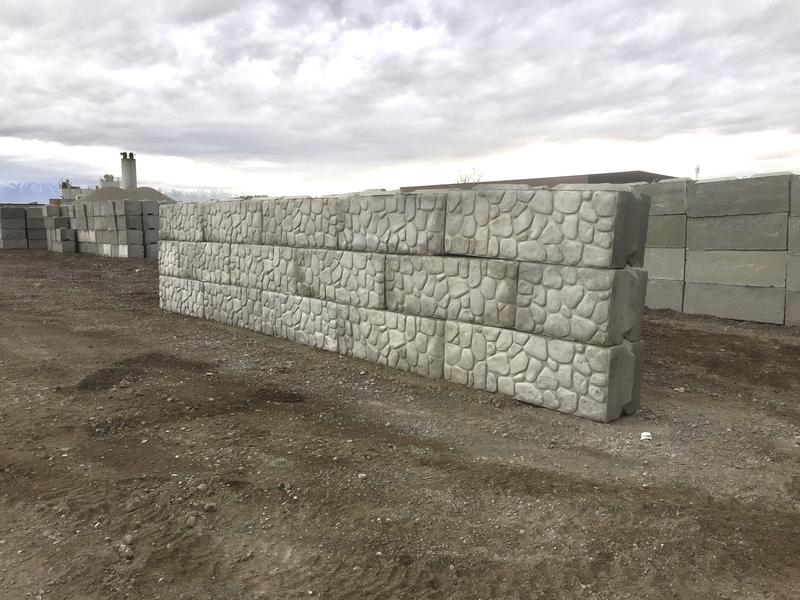
Eco blocks work well for garden terraces because their size creates a sturdy, straight bed edge that does not shift the way small stacked edging often does. The big blocks, roughly two feet by two feet by four feet, come in plain and brown finishes, with a top cap finish for the upper course, so the wall can look neat against a house or simple and plain out in the yard. Once the beds are level, the yearly cycle of re-spreading washed mulch and re-cutting eroded edges mostly goes away.
If your slope keeps stealing your soil, start by measuring the drop across the area you want to plant. Try the wall calculator on the site to see what size wall your garden plan calls for, or call (423) 358-2317 for a free estimate. A level bed will not garden itself, but it will finally let your work stay where you put it.
Want to know what your wall takes? Run the wall calculator for a block count, then send your details for a free estimate — no pressure, no obligation.