A Retaining Wall for a Sloped Driveway in Knoxville
If you live on a Knoxville hillside, you already know the driveway problem. The parking pad is narrow, one edge drops off, gravel washes into the street every time it rains, and guests end up parking half in the grass. A retaining wall along that low edge can change the whole feel of the place, giving you a wider, flatter, more usable driveway without moving the house or regrading the entire lot.
The first job of a driveway wall is holding back real weight. A driveway is not a flower bed. Vehicles park on it, turn on it, and sometimes sit right near the edge for days. That load travels down through the soil and pushes on the wall, so a driveway wall has to be built as a structure, with a solid base, proper drainage behind it, and enough depth in the ground to stay put through wet winters and dry summers alike.
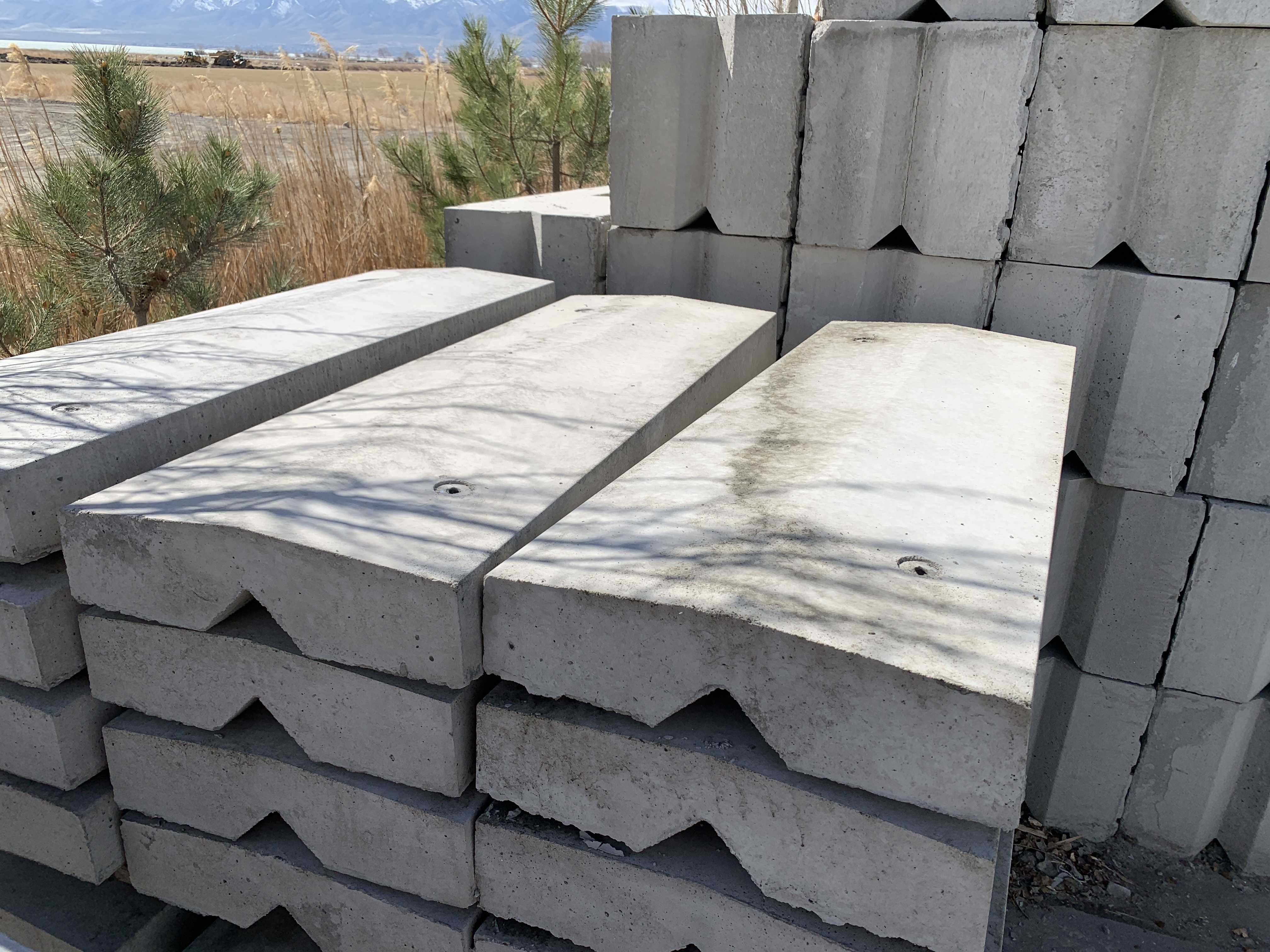
Eco blocks suit this work well. Each block is a big piece of concrete, roughly two feet tall, two feet deep, and four feet long, so a driveway wall goes up in strong, stable courses. The finished face can be plain concrete, a warm brown finish, or topped with a cap course for a cleaner line along the drive. For a lot of Knoxville homes, the cap is what makes the wall look finished from the street rather than purely industrial.
Layout is where driveway projects are won or lost. Measure the turning room honestly. A wall that gains you two feet of width in the wrong place does nothing if the tight spot is at the street entrance or beside the garage door. Think about how delivery trucks, trailers, and visiting family actually use the drive, not just your own car, which you could probably park on a dime after years of practice on that slope.
Drainage decides whether the new driveway stays nice. Water running down a sloped drive will find the wall, and water trapped behind the wall will push on it all winter. The backfill needs clean stone and a drain that carries water away, and the driveway surface itself should shed rain toward a planned path, not toward the wall and not toward the garage. In East Tennessee clay, guessing at drainage is how good-looking projects go bad in two seasons.
Height changes the conversation too. A short wall along a drive is a straightforward build, while a taller wall holding a steep bank may step back in tiers or need more base work below grade. Sight lines matter at the street: a wall and any planting or fence near the entrance should never block your view of traffic pulling out, especially on the curved, hilly streets common around Sequoyah Hills, Bearden, and the county roads outside town.
Plan the construction sequence with your life in mind. For a few days the driveway may be partly blocked while excavation and base work happen, so talk through parking, trash pickup, and access before the first day, not during it. A realistic plan keeps surprises small, and most homeowners are surprised how quickly the wall itself rises once the groundwork, which is the invisible majority of the job, is done right.
One more consideration is how the wall meets the street and the house. A short return at each end, tying the wall back into the bank, keeps soil from washing around the ends and makes the whole driveway edge look deliberate rather than cut off mid-slope.
If you are planning a wall, try the wall calculator on the site to size up your project, or call (423) 358-2317 for a free estimate. We build eco block retaining walls across East Tennessee, and we are glad to walk a lot with you and talk through drainage, layout, and finish before any work starts.
Want to know what your wall takes? Run the wall calculator for a block count, then send your details for a free estimate — no pressure, no obligation.