A Retaining Wall for a Hot Tub or Patio Pad on a Slope
A lot of East Tennessee backyards have the view for a great patio and the slope of a ski run. The dream is simple, a flat pad for a hot tub, a table, some chairs, maybe a fire feature, all on ground that currently drops away behind the house. A retaining wall is what makes that pad possible, by holding back the hillside and creating a level platform where there was none. But a wall holding up an outdoor living space has extra jobs beyond holding soil, and planning for them up front is what makes the finished space feel solid instead of sketchy.
Weight is the first extra job. A filled hot tub is one of the heaviest things a residential yard ever hosts, and even a patio with furniture, a grill, planters, and a group of people places sustained load near the top of the wall. That load travels through the soil and pushes on the wall along with the hillside itself, which means the pad should be positioned and the wall designed with the load in mind, not placed at the very edge because that is where the tape measure happened to land. Setback, base depth, and backfill compaction all matter more when the top of the wall will be lived on, not just looked at.
The pad itself needs a proper foundation, separate from the wall conversation. Level does not mean simply scraping the slope flat and backfilling the low side with loose soil. Fill that is not compacted in layers will settle under a slab, pavers, or a hot tub base, and settling under a tub shows up as a tilt that gets worse, strained connections, and a lid that never sits right. A good project builds the flat area the same disciplined way it builds the wall, with compacted structural fill, a level and drained base for the pad surface, and edges that are supported so the pad does not creep toward the wall or away from it.
Water management doubles in importance around outdoor living. Patios shed rain across their whole surface, and that water needs a planned route that is not over the face of the wall or into the soil right behind it. Hot tubs add their own water story, from splashing and draining to the occasional leak that nobody notices for a week. The drainage behind the wall, the grading of the pad, and the path for surface runoff should be designed together, so everyday use of the space never quietly soaks the ground the wall depends on. In our East Tennessee downpours, that design work is the difference between a pad that stays level and one that starts telling you a story with cracks and dips.
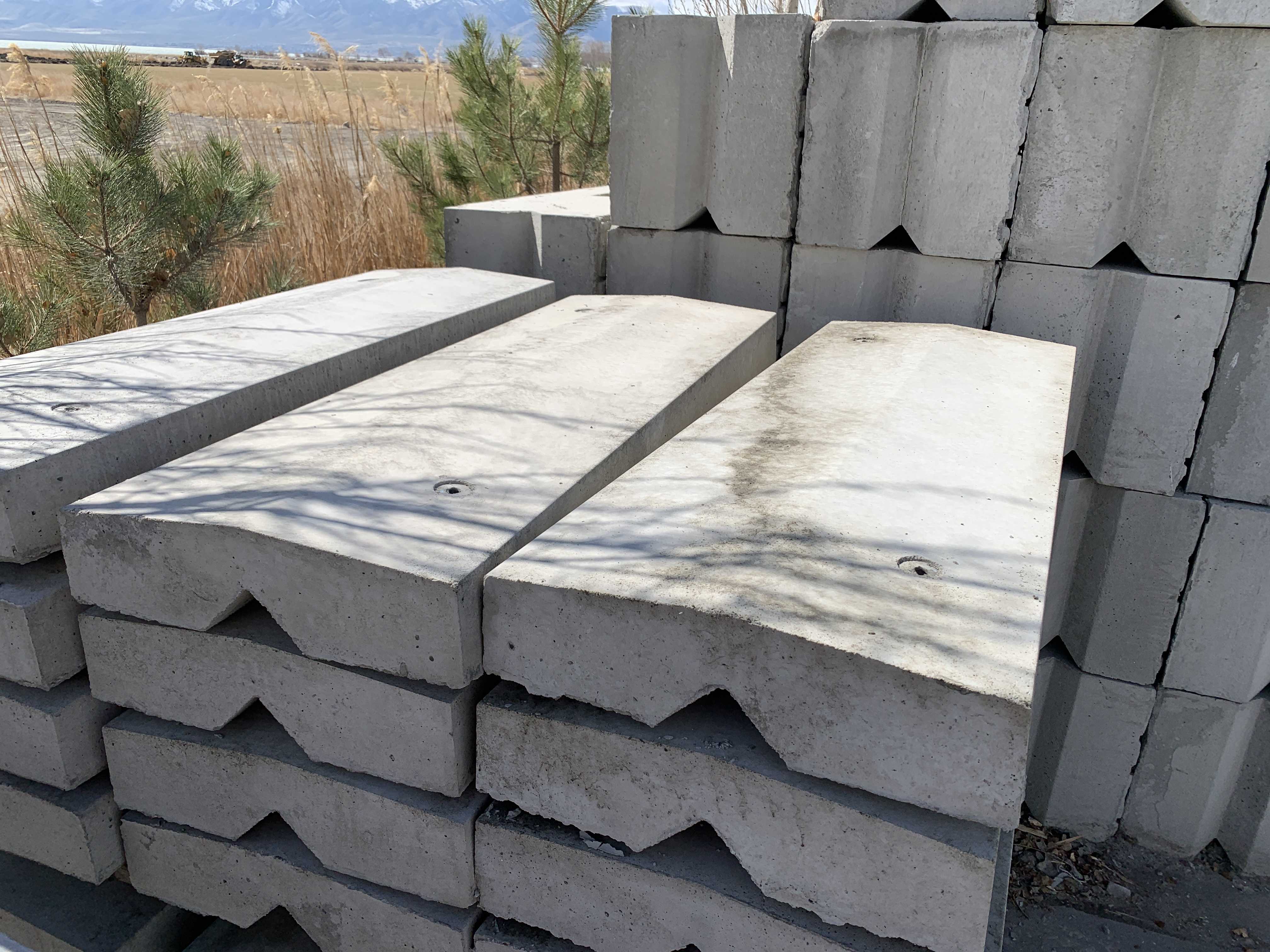
Access, privacy, and daily use deserve planning while the wall is still on paper. How will you step from the house level to the pad, and from the pad to the lower yard? Steps built into the wall at the right place turn the whole project into one connected space. How close will the pad sit to the wall, and do you want the wall top, finished with a cap in a plain or brown finish, to double as extra seating or a shelf edge at the upper side? Eco blocks are roughly two feet tall, two feet deep, and four feet long, so the wall height in courses shapes the pad elevation, and choosing that elevation early lets steps, seating, and sightlines come out even instead of improvised.
Finally, think about the low side of the wall. The wall creates a drop, and where people move around that drop is a safety question worth answering with layout, planting, lighting, or a rail where the situation calls for it. The lower area also needs grading so water leaving the wall base moves away and does not turn the bottom into a permanent mud strip.
If your slope is keeping you from the patio or hot tub pad you actually want, measure the area you hope to flatten and the height difference at its downhill edge. Try the wall calculator on easttnretainingwalls.com for a starting estimate, or call (423) 358-2317 for a free estimate. We will walk the slope with you, talk through loads, drainage, steps, and pad construction as one plan, and build the level ground your backyard has been missing.
Want to know what your wall takes? Run the wall calculator for a block count, then send your details for a free estimate — no pressure, no obligation.